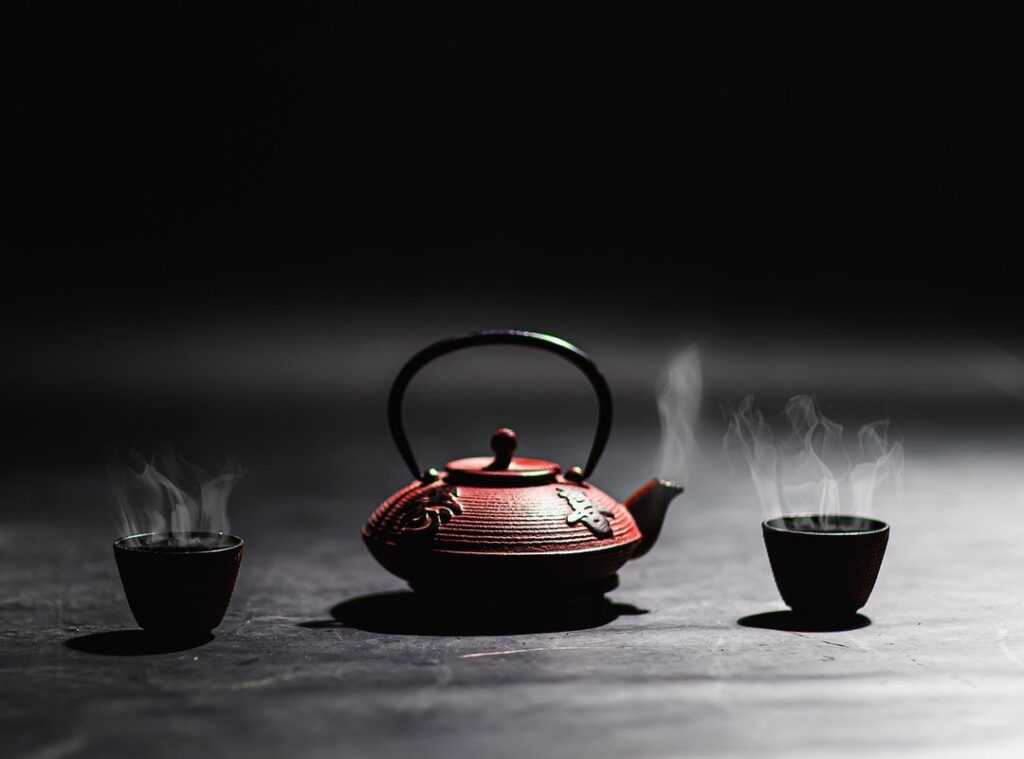
Imagine the quiet hiss of a kettle, the gentle whisk of matcha in the air. It’s a moment of pure tranquility, isn’t it? In a world that never stops, Japanese tea ceremonies offer a pause.
A deep ritual that’s more than a simple cup of tea. Curious about this famous ritual but unsure where to start? I’ve spent countless hours researching Japanese cultural practices to guide you.
This isn’t just about learning steps; it’s about understanding the soul behind them. Ready to transform your perspective from tourist to true cultural explorer? Let’s dive deep into this beautiful art form together.
More Than a Drink: The Philosophy of Chadō
Chadō, or Sadō, is The Way of Tea. It’s not just a ceremony; it’s a spiritual and aesthetic discipline. Rooted deeply in Zen Buddhism, it embodies mindfulness and presence.
You find beauty in simplicity here. Every gesture, every movement, is deliberate. It’s like a moving meditation.
Now, let’s talk about the four core principles: Harmony (和, wa), Respect (敬, kei), Purity (清, sei), and Tranquility (寂, jaku). Harmony is about living in peace with others and nature. Respect isn’t just for the tea master but for everything involved in the ritual.
Purity? It’s about cleansing the mind and space. Tranquility comes when the other three are in balance.
The goal? To create a deep connection between the host, the guests, and nature. It’s a brief escape from the chaos outside.
You sit, sip, and suddenly the world feels a bit slower.
Japanese tea ceremonies offer this unique experience. It’s akin to understanding nordic way living, where simplicity and connection are key. Both offer a retreat into a world where every action has meaning, every moment counts.
Isn’t that something we all need more of?
The Art in Simplicity: Tools of the Tea Ritual
Let me tell you, Japanese tea ceremonies are a whole vibe. It’s all about the ‘dōgu’ or tea utensils. Each one is picked with such care to match the season and occasion.
It’s not just about function (though they do work like a charm), but about their story, their artistry.
Take the Chawan, or tea bowl. Each one is a piece of art. Different shapes and glazes come alive with the seasons.
A winter bowl might be deeper to hold warmth, while a summer one might be wider and shallower. It’s like a seasonal wardrobe for tea.
Then there’s the Chasen, the bamboo whisk. This baby’s carved from one piece of bamboo and it’s important for whipping up that perfect froth. Ever tried making matcha without it?
Good luck. The craftsmanship is unreal, delicate yet sturdy.
Don’t overlook the Chashaku, the tea scoop. Its simple elegance is mesmerizing. It’s designed to measure just the right amount of matcha powder (precision is key).
And finally, the Natsume, the tea caddy. Often lacquered beautifully, it holds the powdered tea. These tools aren’t just accessories.
They’re the experience. Appreciating them is half the ritual, bringing the drinker straight into the moment.
A Moment in Time: Step Inside the Ceremony
Entering a Japanese tea ceremony is like stepping into a different world. You’re greeted with tranquility as you cross the threshold of the chashitsu, a space carefully designed to calm and welcome. The host’s soft voice sets the tone.
Before you even taste the tea, there’s the wagashi. These traditional Japanese sweets aren’t just there to look pretty. They balance the bitterness of matcha.
It’s an experience for the palate (an art form, really).
Watching the host perform the ritual is mesmerizing. Each movement is deliberate, almost like a dance. Purifying tools, whisking matcha, creating a perfect bowl of usucha.
Everything is precise. This isn’t just about having a cup of tea. It’s about respecting the delicate balance of the moment.
Once the tea is prepared, it’s your turn. You receive the bowl with both hands, a silent acknowledgment of the ritual’s gravity. Rotating the bowl to avoid the front might seem simple, but it’s deeply rooted in tradition.
A small bow seals this respectful exchange.
Then there’s the first sip. Matcha floods your senses with its rich, bold flavor. It’s not just about taste.
It’s the texture, too, smooth and slightly grainy. You pause, savor it. This is your moment to connect with centuries of tradition.
As the ceremony concludes, the host cleans the utensils with the same grace as the opening. It’s a reminder of the care and attentiveness embedded in Japanese tea ceremonies. The guests take a moment to admire this simple beauty before it ends.
Ready to uncover more about history and culture? You should explore the uncovering history ancient rome narrative. It’s a different world, much like the tea ceremony.
Both grounded in time-honored practices.
Beyond a Single Path: The World of Tea Schools
Ever thought Japanese tea ceremonies were just one thing? They’re not. The “Way of Tea” is more of a rich mix than a single thread.

It’s like different dialects. The meaning stays the same, but the expression? Slightly varied.
I mean, look at Sen no Rikyū’s three main schools: Urasenke, Omotesenke, and Mushakōjisenke. Different schools, same core philosophy. Yet they vary in the details (like) how they whisk tea or the kind of utensils they use.
Here’s the kicker: as a guest or a newbie, these differences won’t hit you in the face. It’s all still tea, after all. But knowing they exist adds layers to your appreciation.
Like catching subtle details in a favorite song.
So, what should you pay attention to next? Maybe dive deeper into each school’s unique blend of tradition and technique. You might find that exploring each one is as rewarding as tasting different types of tea.
Curious about the basics? Check out this guide japanese tea ceremony to get started.
It’s like wandering into a world you thought you knew, only to find it’s bigger and more complex than you imagined. That’s exciting, right?
From Wanderlust to Wonder: Dive Into a Tea Ceremony
Japanese tea ceremonies are an experience you shouldn’t miss. Seriously, they’re like stepping into another world. You might think, “Why all this fuss over tea?” But it’s more than just sipping a hot drink.
It’s art in motion, a dance of precision and calm.
So where should you go? Kyoto and Kanazawa are top choices. These cities breathe tea culture (it’s in the air).
But you can find authentic experiences even in the bustling streets of Tokyo. Look for cultural centers, traditional gardens, or specialized tea houses offering sessions for foreigners.
Pro tip: Wear modest clothing and avoid strong perfumes. It’s about respect and presence. Listen carefully and appreciate every detail.
Be fully present. Feel the tea’s warmth, the harmony of the setting, and the quiet joy of being there. You’ll walk away with more than a taste.
This isn’t a spectator sport. It’s a moment to be part of.
You’ll carry a memory.
Sip the Culture
You’ve got what you came for. Understanding the philosophy, tools, and steps of Japanese tea ceremonies is your gateway to the soul of Japan. It’s not just a tourist trap.
It’s a solid way to connect with their deep values. Harmony. Respect.
Mindfulness. Imagine sipping tea, feeling the centuries-old traditions seep into your bones. Why settle for a shallow experience when you can truly immerse?
Next time you wander through Japan, seek out this serene ritual. Let it transform your journey. Want to feel the real Japan?
Book a tea ceremony. Feel the culture. Live it.
 Operations & Experience Coordinator
Lowell Ridgendavids has opinions about destinations and cultural insights. Informed ones, backed by real experience — but opinions nonetheless, and they doesn't try to disguise them as neutral observation. They thinks a lot of what gets written about Destinations and Cultural Insights, Drapizto Local Immersion Experiences, Drapizto Travel Essentials and Tips is either too cautious to be useful or too confident to be credible, and they's work tends to sit deliberately in the space between those two failure modes.
Reading Lowell's pieces, you get the sense of someone who has thought about this stuff seriously and arrived at actual conclusions — not just collected a range of perspectives and declined to pick one. That can be uncomfortable when they lands on something you disagree with. It's also why the writing is worth engaging with. Lowell isn't interested in telling people what they want to hear. They is interested in telling them what they actually thinks, with enough reasoning behind it that you can push back if you want to. That kind of intellectual honesty is rarer than it should be.
What Lowell is best at is the moment when a familiar topic reveals something unexpected — when the conventional wisdom turns out to be slightly off, or when a small shift in framing changes everything. They finds those moments consistently, which is why they's work tends to generate real discussion rather than just passive agreement.
Operations & Experience Coordinator
Lowell Ridgendavids has opinions about destinations and cultural insights. Informed ones, backed by real experience — but opinions nonetheless, and they doesn't try to disguise them as neutral observation. They thinks a lot of what gets written about Destinations and Cultural Insights, Drapizto Local Immersion Experiences, Drapizto Travel Essentials and Tips is either too cautious to be useful or too confident to be credible, and they's work tends to sit deliberately in the space between those two failure modes.
Reading Lowell's pieces, you get the sense of someone who has thought about this stuff seriously and arrived at actual conclusions — not just collected a range of perspectives and declined to pick one. That can be uncomfortable when they lands on something you disagree with. It's also why the writing is worth engaging with. Lowell isn't interested in telling people what they want to hear. They is interested in telling them what they actually thinks, with enough reasoning behind it that you can push back if you want to. That kind of intellectual honesty is rarer than it should be.
What Lowell is best at is the moment when a familiar topic reveals something unexpected — when the conventional wisdom turns out to be slightly off, or when a small shift in framing changes everything. They finds those moments consistently, which is why they's work tends to generate real discussion rather than just passive agreement.