Stepping into a Moroccan medina is a sensory overload. The sights, sounds, and aromas hit you all at once. But here’s the thing: it’s easy to get lost in the spectacle and miss the deeper layers.
The culture of Morocco is more than souks and spices. It’s about understanding the rich traditions that shape everyday life.
Most tourists breeze through, snapping photos without grasping the heritage pulsing beneath. Sound familiar?
What if you had a guide that peeled back the layers? This isn’t just another travel piece. It draws from conversations with locals, offering genuine takeaways.
You won’t find dry history here. Instead, expect a living, breathing story of Morocco’s soul.
Ready to explore beyond the surface? This guide promises to deepen your understanding and connection with Morocco.
The Heartbeat of Morocco: Family and Hospitality
If you want to truly get the culture of Morocco, you need to start with the concept of “dar.” It’s not just a house. It’s the heart of social life. Families here are multi-generational, living under one roof, and showing deep respect for elders is a given.
You see it in everyday interactions (like when Grandma’s word is law).
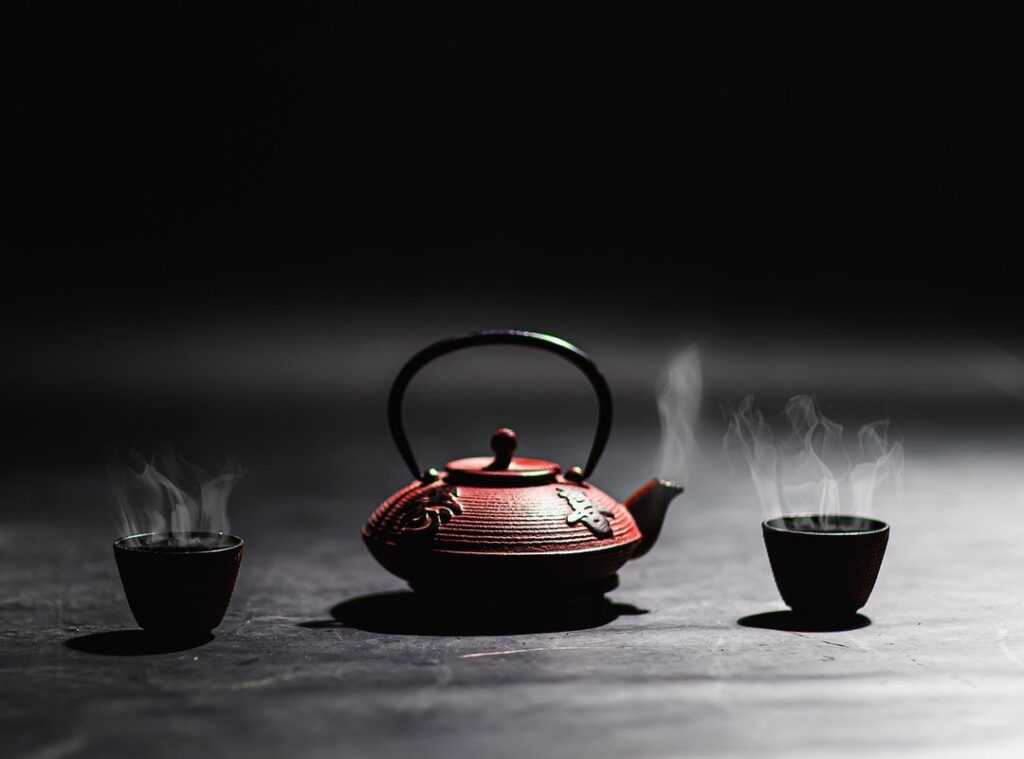
Hospitality is sacred. It’s not just something you do; it’s who you are. The ritual of preparing and serving mint tea isn’t just about quenching thirst.
It’s a symbol of welcome, friendship, and social connection. You can feel the warmth and sincerity with every pour.
I remember the first time a shopkeeper insisted I join him for a glass of tea before discussing prices. It felt like stepping into another world. You can’t rush these moments; they’re meant to be savored.
A pro tip for travelers: if someone invites you into their home, it’s a huge honor. Bring a small gift like pastries or sugar. It’s a simple gesture, but it speaks volumes.
Morocco’s hospitality reminds me of other cultures with rich traditions. If you’re curious about culinary adventures, you might want to discover hidden cuisine southeast asia. You’ll find similar warmth, albeit with different flavors.
In Morocco, every interaction is layered with meaning. It’s not just about the words spoken but the heart behind them. That’s what makes this place special.
You feel it the moment you step into a Moroccan home.
A Taste of Tradition: Stories in Moroccan Cuisine
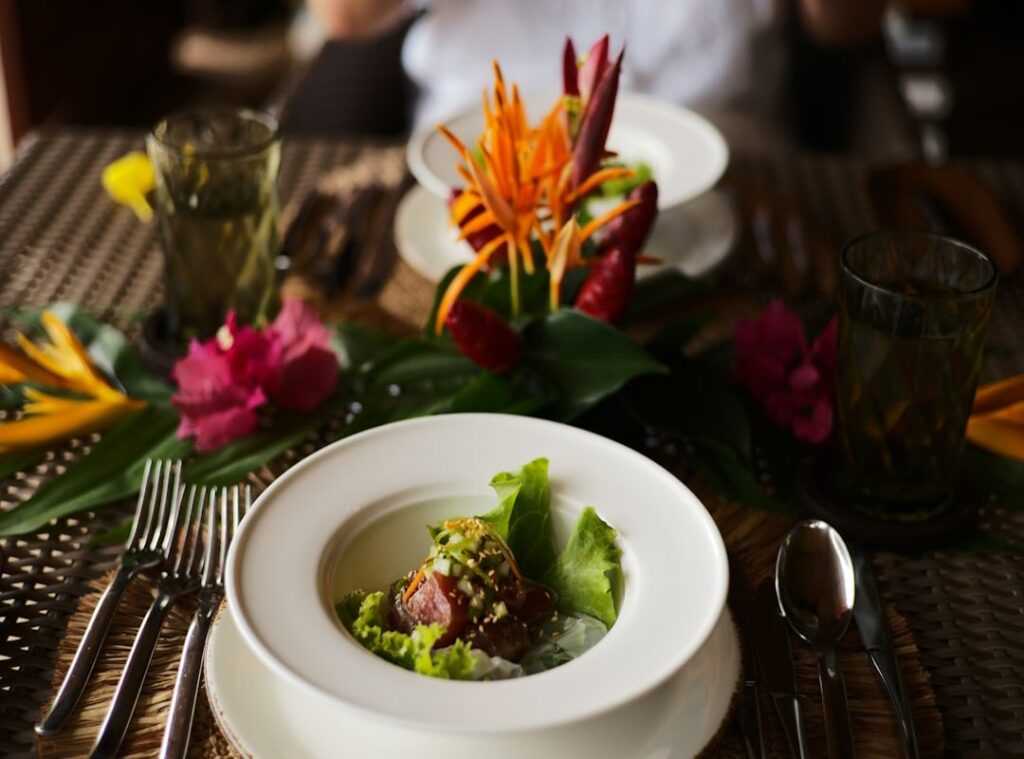
Moroccan food isn’t just about what’s on the plate. It’s a deep dive into the heart of the culture of Morocco. I mean, sure, you’ve heard of tagine and couscous.
But these dishes are just the opening act to a grand narrative of community and celebration.
Ever shared a meal from a single large dish? It’s a thing in Morocco, and it’s all about unity. Picture this: everyone gathered around, using their right hand to scoop up food.
It’s not just etiquette; it’s a dance of cooperation and respect. It feels like a warm embrace from the culture itself.
And then there’s Friday Couscous. It’s not just a meal; it’s an event. Every Friday, families across the country come together for this dish.
It’s like Sunday dinner in the States, but with a Moroccan twist. It’s comforting, it’s home, and it’s a weekly reminder of the bonds that tie families together.
Markets, or souks, are bustling places where the magic starts. It’s not just buying ingredients; it’s negotiating, chatting, living. And the ferran, the communal oven, isn’t just where bread bakes.
It’s where stories are shared and the aroma of tradition fills the air. Food preparation here is not a solitary task. It’s a mix of community life.
Oh, and if you’re a guest? You’re in for a treat. The rules are simple but important.
Use your right hand, and know that the host will make sure you leave with a full belly. It’s their way of saying, “Welcome to our world.” These customs are more than just practices. They’re a living the culture and traditions that make Morocco unique.
Pro tip: Dive in with an open heart and an empty stomach. You’re not just eating food; you’re tasting stories, heritage, and a nation’s soul.
The Art of the Everyday: Generations of Craftsmanship
Moroccan craftsmanship isn’t just about decorative trinkets or souvenirs you toss in a suitcase. It’s a living heritage. These crafts represent the culture of Morocco, passed down through generations like a story that never ends.
Take Zellige tilework. It’s not just about colorful patterns. It’s mathematical, even symbolic.
Creating Zellige is like solving a complex puzzle where each piece fits perfectly into a grand design. Then there’s Tadelakt plaster. This isn’t your average wall finish.
It requires skill and patience, transforming lime plaster into a smooth, waterproof surface with a sheen that catches the light just right.
Leatherwork is another marvel. Ever tried on babouches? These leather slippers are crafted with precision and care.
The leather is dyed and shaped by hand, each pair unique. And of course, Berber carpet weaving. These rugs tell stories with their detailed designs, each knot tied with purpose and history.
In Morocco, artisans are known as “maalem,” or master craftsmen. They don’t just pop up overnight. They train through an apprenticeship system, learning the craft from a young age.
It’s a lifelong journey rich with tradition.
Shopping in the souks? Pro tip: Don’t just buy. Engage with the artisan.
Ask about their craft. Bargaining isn’t just about price; it’s a social dance. Like learning Understanding Nordic Way Living, it’s about getting to the heart of the culture.
So next time you’re in Morocco, remember. You’re not just buying an object. You’re taking home a piece of history.
Sounds, Stories, and Celebrations: Rhythms of Moroccan Life
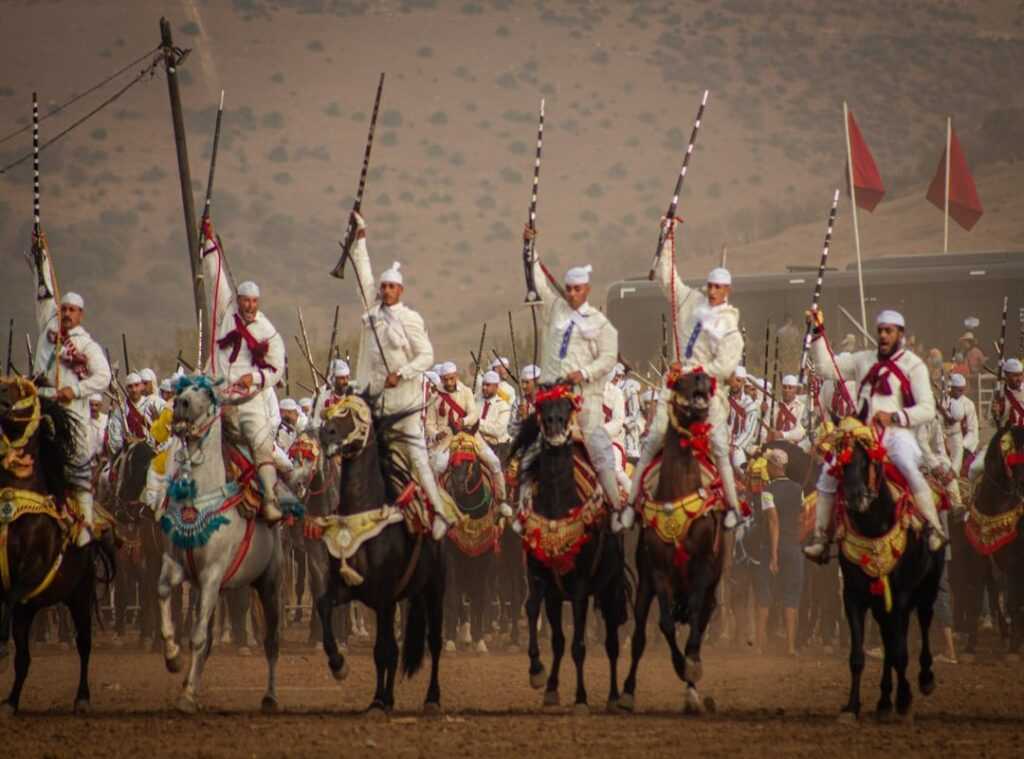
When I first stepped into Djemaa el-Fna in Marrakech, the air was thick with stories and rhythms. This is not just a public square. It’s a stage where the culture of Morocco comes alive.
The ‘hlayqi’ (storytellers) gather crowds with tales passed down through generations. They’re like the original binge-worthy series, keeping audiences hooked episode after episode. Nearby, the Gnawa musicians create a sound that hypnotizes.
Their spiritual trance music is like nothing else, a blend of African, Berber, and Arabic influences that speaks to Morocco’s complex history.
But it’s not just about the music or the stories. It’s about the vibe. You feel it during Eid al-Fitr too.
This festival marks the end of Ramadan and is a time of joy and community. Everyone comes together like an ensemble cast in a feel-good movie, sharing food and laughter. There’s also the local ‘moussem’, a festival honoring a local saint.
It’s not a tourist gimmick, but a deep-rooted tradition that binds communities.
Traveling through Morocco, you discover diverse sounds in every corner. From the poetic Melhoun of the cities to the Berber beats of the mountains, each region has its own tune. These aren’t just performances.
They’re an important part of life, like the background score of a great film, setting the tone and enriching the narrative.
Morocco’s festivals and music aren’t just events. They’re the heartbeat of the nation, echoing through its people and landscapes. And in these sounds, stories, and celebrations, you find the true spirit of Moroccan life.
Dive Deeper into Moroccan Life
The culture of Morocco isn’t just seen; it’s lived. You sip it in every cup of tea and taste it in every shared meal. It’s not about ticking landmarks off a list; it’s about diving into the stories behind the patterns and flavors.
Because let’s face it, surface-level tourism is empty. You want depth. So, what’s next?
Travel with curiosity. Open your heart. Be ready to engage with traditions that truly enrich your journey.
Don’t just visit. Immerse yourself. Start your adventure and make those connections.
Discover the Morocco that turns a trip into something unforgettable.
 Founder & CEO
Ask Syrelia Draymond how they got into drapizto travel essentials and tips and you'll probably get a longer answer than you expected. The short version: Syrelia started doing it, got genuinely hooked, and at some point realized they had accumulated enough hard-won knowledge that it would be a waste not to share it. So they started writing.
What makes Syrelia worth reading is that they skips the obvious stuff. Nobody needs another surface-level take on Drapizto Travel Essentials and Tips, Smart Packing and Booking Hacks, Horizon Headlines. What readers actually want is the nuance — the part that only becomes clear after you've made a few mistakes and figured out why. That's the territory Syrelia operates in. The writing is direct, occasionally blunt, and always built around what's actually true rather than what sounds good in an article. They has little patience for filler, which means they's pieces tend to be denser with real information than the average post on the same subject.
Syrelia doesn't write to impress anyone. They writes because they has things to say that they genuinely thinks people should hear. That motivation — basic as it sounds — produces something noticeably different from content written for clicks or word count. Readers pick up on it. The comments on Syrelia's work tend to reflect that.
Founder & CEO
Ask Syrelia Draymond how they got into drapizto travel essentials and tips and you'll probably get a longer answer than you expected. The short version: Syrelia started doing it, got genuinely hooked, and at some point realized they had accumulated enough hard-won knowledge that it would be a waste not to share it. So they started writing.
What makes Syrelia worth reading is that they skips the obvious stuff. Nobody needs another surface-level take on Drapizto Travel Essentials and Tips, Smart Packing and Booking Hacks, Horizon Headlines. What readers actually want is the nuance — the part that only becomes clear after you've made a few mistakes and figured out why. That's the territory Syrelia operates in. The writing is direct, occasionally blunt, and always built around what's actually true rather than what sounds good in an article. They has little patience for filler, which means they's pieces tend to be denser with real information than the average post on the same subject.
Syrelia doesn't write to impress anyone. They writes because they has things to say that they genuinely thinks people should hear. That motivation — basic as it sounds — produces something noticeably different from content written for clicks or word count. Readers pick up on it. The comments on Syrelia's work tend to reflect that.