Ever been hit by a whirlwind of scents and sounds at a Southeast Asian food market? It’s not just chaotic; it’s incredible. But here’s the thing (there’s) so much more to cuisine Southeast Asia than the usual suspects like pad thai or spring rolls.
Ever wonder why Vietnamese pho tastes worlds apart from Malaysian rendang? This guide dives into that cultural context. I’ve spent endless hours exploring hidden stalls and sharing meals in local homes, not just tourist traps.
I’m obsessed with the why behind the flavors, and it’s not just about taste. It’s about culture, history, and tradition.
Don’t just lump all “Asian food” together. Explore with me and you’ll become a more knowledgeable eater and traveler. Ready to dig deeper into these culinary treasures?
That’s exactly what you’re getting here.
The Five-Flavor Foundation: A Taste of Southeast Asia
Ever wonder why Southeast Asian food tastes so lively? It’s all about the five-flavor balance. Sweet, sour, salty, spicy, and umami (or bitter) are the heartbeats of this cuisine.
They create dishes that dance on your tongue. It’s not just about one flavor overpowering the rest. It’s the harmony.
Let’s break it down.
Sweetness isn’t just sugar. It’s palm sugar, coconut milk, and tropical fruits. These ingredients add depth, not just a sugar high.
Sour flavors? They cut through richness like a knife. Tamarind, calamansi, lime, and vinegar are the heroes here.
They keep things fresh.
Salty flavors in Southeast Asia rely heavily on fish sauce and shrimp paste. These aren’t just salt; they’re umami bombs. They bring depth and complexity to any dish.
Now, spicy. It’s not just about heat. Bird’s eye chilies, long chilies, white pepper, and ginger add layers of warmth.
They make your mouth tingle in the best way.
The magic isn’t in any single flavor. It’s how they all work together. This balance is what makes Southeast Asian food unforgettable.
Want to explore another cultural palate? Check out how understanding nordic way living brings its own unique flavors to the table.
Fresh & Fragrant: A Culinary Tour of the Mainland
Ever tasted the cuisine Southeast Asia offers? It’s like a sensory explosion. Things kick off in Vietnam with their focus on clean, fresh, herb-heavy dishes.
You know Pho, right? That clear broth is everything. Pile on fresh mint, basil, and bean sprouts, and you’ve got a bowl full of life.
It’s not just food; it’s an experience.
Thailand doesn’t hold back either. Their food is bold, balancing all five flavors at once. I mean, have you tried Tom Yum Goong?
They mix lemongrass, galangal, kaffir lime leaves, chili, and lime juice in a way that just works. It’s a symphony of taste, an iconic blend no one should miss. Honestly, it’s among the best southeast asian food out there.
Then there’s Cambodia and Laos, which fly under the radar with subtler flavors. But don’t sleep on them. Cambodia’s Amok is a steamed fish curry that surprises with a rich, non-spicy profile.
Laos serves up Laap, a spicy minced meat salad that’s a staple with sticky rice. It’s rustic, sure, but it’s deeply satisfying. These dishes connect you to the land.
What’s your take? Does food taste better when it’s fresh and fragrant? I say yes.
These dishes aren’t just about filling up; they’re about filling up the soul. You feel the culture, the passion, the history. That’s what makes Southeast Asian cuisine unforgettable.
It’s not just a meal; it’s a journey through taste.
Spice Islands & Melting Pots: The Richness of the Maritime Region
to the bustling world of maritime cuisine in Southeast Asia. You know, the kind that makes your taste buds dance. Malaysia, Indonesia, and Singapore are at the heart of this culinary treasure chest.
The ancient spice trade routes, with their cloves and nutmeg, didn’t just leave behind flavors. They left behind history.
In Malaysia and Indonesia, the concept of “rempah” is everything. It’s a spice paste that’s the backbone of many dishes. You can taste it in Beef Rendang, a slow-cooked, rich curry that demands your attention.
It’s like a culinary symphony, complex and satisfying.
Indonesia is a land of contrasts. From the fiery sambals of Java to the earthy flavors of Sumatra, the diversity is astounding. It’s a microcosm of Southeast Asian cuisine in itself.
And then there’s Singapore. A city where food is practically a national pastime. It’s a delicious microcosm of Asia.
The hawker centers here are iconic, offering everything from Chili Crab to Laksa. These dishes blend Chinese, Malay, and Indian influences in a way that’s uniquely Singaporean.
All these nations contribute to the rich mix of Southeast Asian cuisine. It’s a region where the past and present collide on every plate. Speaking of history, if you’re a fan and want to dig deeper, you might enjoy uncovering history ancient rome.
The maritime region isn’t just about food. It’s about culture, connection, and the incredible flavors that bring people together.
A Unique Fusion: Filipino Flavors Unveiled
When you think of cuisine Southeast Asia, the Philippines stands out. It’s not just another stop on the food map (it’s) a sensory journey. Let’s face it, Filipino cuisine is a heady blend of sour and salty.
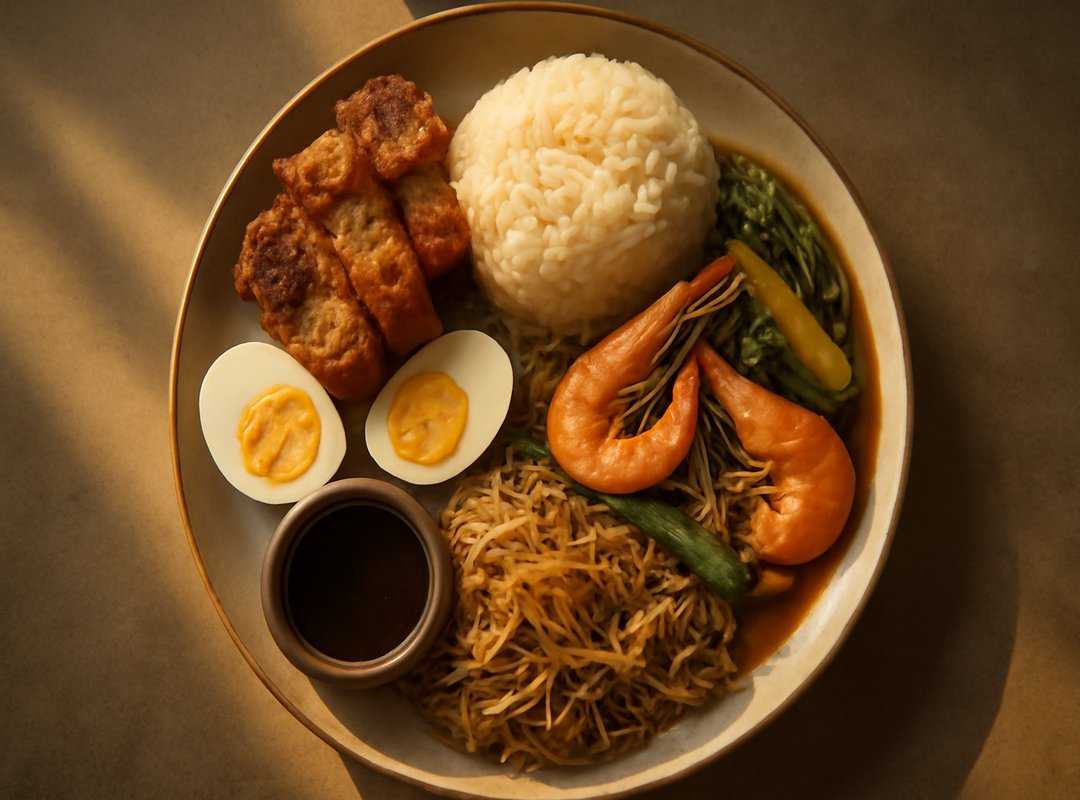
Ever tried Adobo? It’s the dish that tells the tale of the archipelago. Vinegar (suka) and soy sauce (toyo) come together in a simple braise that whispers the secrets of food preservation.
You can’t ignore the colonial footprints either. Spain’s love for lechon, China’s crispy lumpia, and America’s canned goods left their mark. They didn’t just pass through; they lingered and blended into something uniquely Filipino.
It’s a cultural handshake over a meal.
Sinigang, with its tamarind tang, makes another point. It’s a sour soup that warms the soul and makes you pucker in delight. The love for acidity is real and runs deep.
You see, this isn’t just about taste; it’s about identity.
Pro tip: If you ever visit, dive into these flavors without hesitation. The bold mix of influences doesn’t just feed the stomach. It feeds the soul.
And that’s what makes it truly special.
Beyond the Plate: The Soul of Street Food
Street food isn’t just about quick bites. It’s the heartbeat of everyday life for millions. In Southeast Asia, the cuisine isn’t hidden behind restaurant walls.
It’s sizzling on the streets, where you can watch it all unfold. Ever wondered why the best food is often found here? It’s because street vendors have honed their craft over generations.
But let’s talk communal dining. This isn’t just about sharing food. It’s about sharing moments.
You don’t eat alone, you eat together from central platters. Want to fit in? Use a spoon and fork (leave those chopsticks behind in most places) and try a bit of everything.
It’s respectful and adventurous.
Pro tip: Engaging with locals while you eat enriches the experience. Street food and communal dining? It’s a local immersion you can’t miss.
Dive Into Flavorful Discovery
You’ve got it now. Cuisine Southeast Asia isn’t just one thing. It’s a mix of flavors and stories, each bite telling a tale. You don’t have to lump it all together anymore.
You can appreciate the history, the ingredients, and the culture behind every dish.
So what’s your next move? Be bold. Try that new dish at your local spot or cook something unfamiliar at home.
Maybe even plan a trip to savor these diverse traditions firsthand. Your taste buds will thank you. Explore, taste, and discover.
You’ve got the knowledge. Now, it’s time to act.
 Founder & CEO
Ask Syrelia Draymond how they got into drapizto travel essentials and tips and you'll probably get a longer answer than you expected. The short version: Syrelia started doing it, got genuinely hooked, and at some point realized they had accumulated enough hard-won knowledge that it would be a waste not to share it. So they started writing.
What makes Syrelia worth reading is that they skips the obvious stuff. Nobody needs another surface-level take on Drapizto Travel Essentials and Tips, Smart Packing and Booking Hacks, Horizon Headlines. What readers actually want is the nuance — the part that only becomes clear after you've made a few mistakes and figured out why. That's the territory Syrelia operates in. The writing is direct, occasionally blunt, and always built around what's actually true rather than what sounds good in an article. They has little patience for filler, which means they's pieces tend to be denser with real information than the average post on the same subject.
Syrelia doesn't write to impress anyone. They writes because they has things to say that they genuinely thinks people should hear. That motivation — basic as it sounds — produces something noticeably different from content written for clicks or word count. Readers pick up on it. The comments on Syrelia's work tend to reflect that.
Founder & CEO
Ask Syrelia Draymond how they got into drapizto travel essentials and tips and you'll probably get a longer answer than you expected. The short version: Syrelia started doing it, got genuinely hooked, and at some point realized they had accumulated enough hard-won knowledge that it would be a waste not to share it. So they started writing.
What makes Syrelia worth reading is that they skips the obvious stuff. Nobody needs another surface-level take on Drapizto Travel Essentials and Tips, Smart Packing and Booking Hacks, Horizon Headlines. What readers actually want is the nuance — the part that only becomes clear after you've made a few mistakes and figured out why. That's the territory Syrelia operates in. The writing is direct, occasionally blunt, and always built around what's actually true rather than what sounds good in an article. They has little patience for filler, which means they's pieces tend to be denser with real information than the average post on the same subject.
Syrelia doesn't write to impress anyone. They writes because they has things to say that they genuinely thinks people should hear. That motivation — basic as it sounds — produces something noticeably different from content written for clicks or word count. Readers pick up on it. The comments on Syrelia's work tend to reflect that.