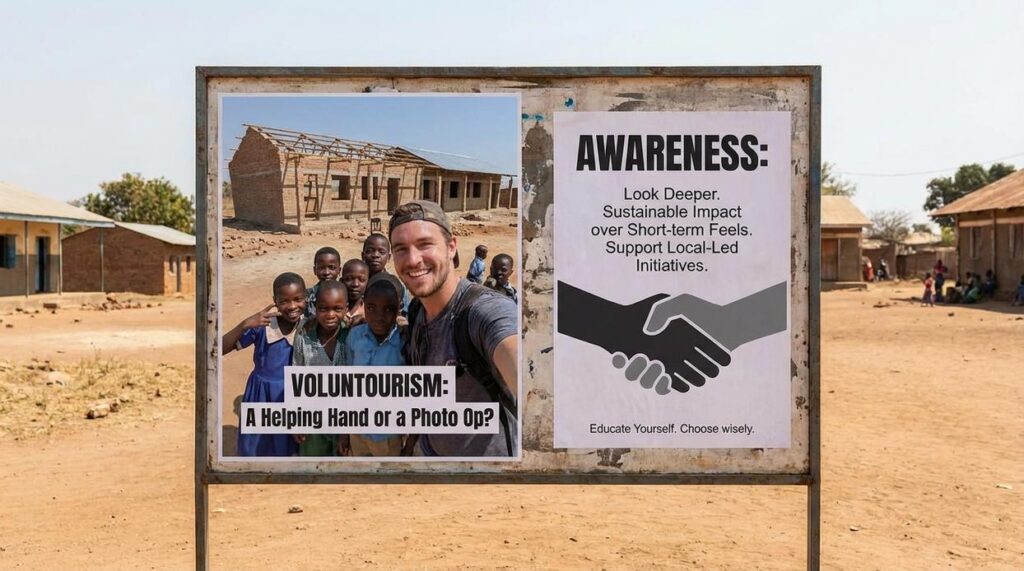
Dreaming of making a difference while exploring the world? Finding meaningful volunteering abroad opportunities isn’t as simple as picking a program from a glossy brochure. While the desire to help is genuine, many international volunteer trips prioritize profit over purpose, making it difficult to separate ethical initiatives from feel-good “voluntourism.” This guide gives you a clear, practical framework to evaluate programs, spot critical red flags, and identify true green flags. Built on years of immersive travel experience and in-depth analysis of global initiatives, it will help you choose a safe, reputable, and genuinely impactful volunteer experience.
The Anatomy of an Ethical Program: What to Look For*
Choosing between volunteering abroad opportunities can feel overwhelming (especially when every website promises “life-changing impact”). Let’s break down what actually makes a program ethical.
Community-Led Initiatives
This means projects are requested and shaped by the local community, not designed by outsiders guessing what’s needed. For example, if a village asks for English teachers to support existing schools, that’s different from a group arriving uninvited to “build something useful.” Look for local leadership, partnerships with community organizations, and decision-making power that stays on the ground.
Financial Transparency
In simple terms: you should know where your money goes. Ethical programs clearly separate accommodation costs, project funding, and administrative overhead. If a program avoids specifics, that’s a red flag (clarity shouldn’t be classified information). According to Charity Navigator, transparency is a key marker of trustworthy organizations.
Sustainable Long-Term Impact
“Sustainable” means benefits continue after volunteers leave. Think skill transfer, teacher training, or infrastructure locals can maintain themselves. A one-week paint job might look good on Instagram, but training local builders creates lasting change.
Focus on Cultural Immersion
A strong program prioritizes exchange, not saviorism. Living with host families or participating in community events deepens understanding—much like learning a new language through travel immersion builds fluency through context.
Clear Volunteer Roles & Requirements
If medical or construction work is involved, proper credentials should be mandatory. Defined roles ensure volunteers support—not replace—local expertise. (Pro tip: If “anyone can perform surgery,” run.)
Red Flags: How to Spot and Avoid “Voluntourism” Traps

Not every program labeled service travel is built to serve. Some are designed to sell you an experience first—and help a community second (if at all). Here’s how to tell the difference.
1. Vague Project Descriptions
If a website promises you’ll “make a difference” but doesn’t clearly explain how, pause. A credible program should outline daily tasks, measurable goals, and long-term impact. For example, “assist local teachers with English curriculum development for 10 weeks” is specific. “Empower youth globally” is not. Ask for a written project brief before paying anything.
2. Excessively High Fees with No Breakdown
All programs cost money. But where does yours go? Request an itemized budget. What percentage supports local staff, materials, or community partners? If they can’t answer clearly, that’s a red flag. Pro tip: compare at least three volunteering abroad opportunities to spot pricing patterns.
3. No Skill Requirements for Sensitive Work
If you’re allowed to perform medical tasks, teach solo classes, or work in orphanages without training, something’s wrong. Ethical organizations require background checks and relevant skills. Good intentions aren’t qualifications (even if you binge-watched medical dramas).
4. Marketing Over Mission
Scroll past the glossy photos. Do you see impact reports? Local leadership profiles? If the focus is mostly smiling visitors, the community may be secondary.
5. “Life-Changing” Guarantees
Yes, service can transform you. But if the spotlight is entirely on your growth—not community outcomes—priorities may be misplaced. The real question: who benefits most?
Your Vetting Checklist: A Step-by-Step Verification Process
Choosing the right program can feel overwhelming, especially with so many volunteering abroad opportunities advertised online. That’s exactly why a clear, practical vetting process matters. Instead of relying on glossy photos or emotional testimonials, follow these five concrete steps to protect your time, money, and good intentions.
1. Deep-Dive Online Research
First, go beyond the organization’s website. Anyone can publish glowing success stories. Search for independent reviews, news coverage, and forum discussions (Reddit’s r/volunteering is a good starting point). Look for patterns, not one-off complaints. Repeated concerns about safety, hidden fees, or poor communication are red flags.
2. Verify Non-Profit Status
Next, confirm whether the organization is a registered charity or NGO in its home country or destination country. Registration means oversight and legal accountability. You can usually verify this through government databases. If you can’t find proof, ask directly—and expect a clear answer.
3. Ask Tough Questions Directly
Then, reach out. Email or schedule a call and ask specific questions about funding sources, local partnerships, and how success is measured. (If they dodge the question, that tells you something.) Reputable programs welcome scrutiny because transparency builds trust.
4. Request to Speak with Past Volunteers
After that, ask for references. Speaking with someone who has completed the program gives you unfiltered insight into daily routines, housing conditions, and real community impact. Pro tip: Ask what surprised them most—that’s where the honest details surface.
5. Analyze the Itinerary and Packing List
Finally, review the itinerary carefully. A thoughtful program provides detailed pre-departure guidance, culturally appropriate packing advice, and a schedule balancing service with meaningful local immersion—not just sightseeing.
Taken together, these steps help you move forward with confidence instead of guesswork.
Take the Next Step Toward a Meaningful Journey
You came here looking for clarity—and now you have the tools to confidently evaluate volunteering abroad opportunities without second-guessing your impact. The fear of choosing the wrong program or unintentionally causing harm is real, but with the right checklist and a focus on community-led, transparent, and sustainable initiatives, you’re equipped to make a responsible choice.
Don’t let uncertainty hold you back. Start today by comparing two or three organizations using the vetting steps you’ve learned. Take action now and move one step closer to an ethical, purpose-driven adventure that truly makes a difference.