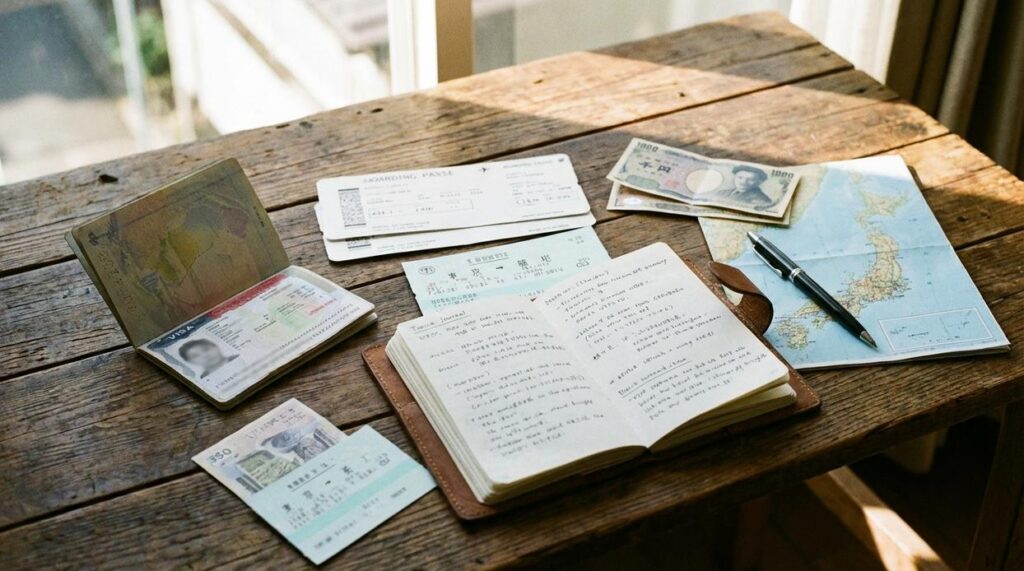
Planning a trip today takes more than booking a flight and packing a bag. Travelers are searching for smarter ways to explore the world—looking for practical travel tips, cultural insights, local immersion experiences, and efficient packing strategies that make every journey smoother. This article is designed to meet that need by bringing together actionable advice, on-the-ground perspective, and curated highlights that help you travel confidently and intentionally.
We’ve analyzed current travel trends, consulted seasoned globetrotters, and reviewed expert-backed resources to ensure the guidance you’ll find here is accurate, relevant, and easy to apply. Whether you’re organizing your itinerary, refining your travel document organization, or looking to experience destinations beyond the typical tourist path, you’ll find clear, trustworthy direction.
If your goal is to travel smarter, pack better, and connect more deeply with the places you visit, you’re in the right place.
You’re at the check-in counter, patting every pocket, heart racing—passport missing. That spike of panic is common: a 2023 survey by Allianz found 41% of travelers fear losing essential documents. Disorganization isn’t harmless; misplaced IDs cause thousands of denied boardings yearly, according to TSA reports.
This guide promises a simple two-part system—physical and digital—to end that stress through smart travel document organization.
Follow these steps and you’ll gain:
- A secure grab-and-go document kit
- Encrypted cloud backups accessible anywhere
The result? Smoother departures, fewer surprises, and confidence before every trip. No more last-minute airport meltdowns. Just calm, controlled travel.
The Pre-Trip Audit: Your Essential Document Checklist
Before you pack a single sock, audit your paperwork. A forgotten document can derail a dream trip faster than a delayed flight.
Passports & Visas: Check your passport’s expiration date carefully. Many countries enforce the six-month validity rule, meaning your passport must be valid for six months beyond your return date. Ensure you have at least two blank pages. Research visa requirements for every destination—and layover—since transit rules can surprise you.
Identification & Permits: Bring a valid driver’s license and, if renting a car abroad, an International Driving Permit (IDP). Student or senior IDs can unlock discounts on museums and transit (small card, big savings).
Reservations & Itineraries: Gather confirmations for:
- Flights
- Accommodations
- Car rentals
- Tours and event tickets
Save digital copies, but print key details in case Wi-Fi fails.
Health & Insurance Documents: Carry proof of travel insurance, required vaccinations, and copies of prescriptions. Some countries require documentation for specific medications.
Financial Essentials: Pack credit and debit cards, notify your bank of travel dates, and carry a small amount of local currency for immediate expenses.
Smart travel document organization reduces stress and speeds up airport checkpoints (future you will be grateful).
The Dual-System Method: Your Physical and Digital Safety Net
Travel teaches one lesson fast: redundancy matters. In simple terms, redundancy means having a backup plan that protects you if the first system fails. Your passport falls out of your pocket. Your bag gets delayed. Your phone dies at the worst possible moment (it always does). That’s why relying on a single format—paper or digital—is risky.
Instead, think of physical documents as your frontline tools and digital copies as your emergency reserve. One gets you through checkpoints smoothly; the other rescues you if something goes wrong.
Part 1: Organizing Your Physical Documents
First, choose a dedicated travel wallet or document organizer. These typically include RFID-blocking layers, zip compartments, and passport sleeves—features that prevent data theft and keep everything in one place. The benefit? Faster airport transitions and less frantic searching.
Next, create a logical order:
- Passport and boarding pass for airport access
- Visa paperwork behind your passport
- Hotel confirmation for arrival
- Transportation tickets grouped together
This system improves travel document organization and reduces stress during security checks.
Additionally, make physical photocopies of your passport, visa, and credit cards. Store them in checked luggage, separate from the originals. If your wallet is lost, you’ll still have essential reference copies to speed up embassy assistance or card replacement.
Part 2: Creating a Secure Digital Vault
Now, reinforce your safety net digitally. Scan or take high-quality photos of every document. Then upload them to a secure cloud service like Google Drive, Dropbox, or iCloud in a clearly labeled folder.
After that, email yourself a password-protected PDF copy and share it with a trusted emergency contact. Finally, download offline versions to your smartphone so they’re accessible without Wi-Fi.
Together, these layers ensure that even if one system fails, your trip doesn’t unravel.
On-the-Go Management: How to Handle Documents During Your Trip
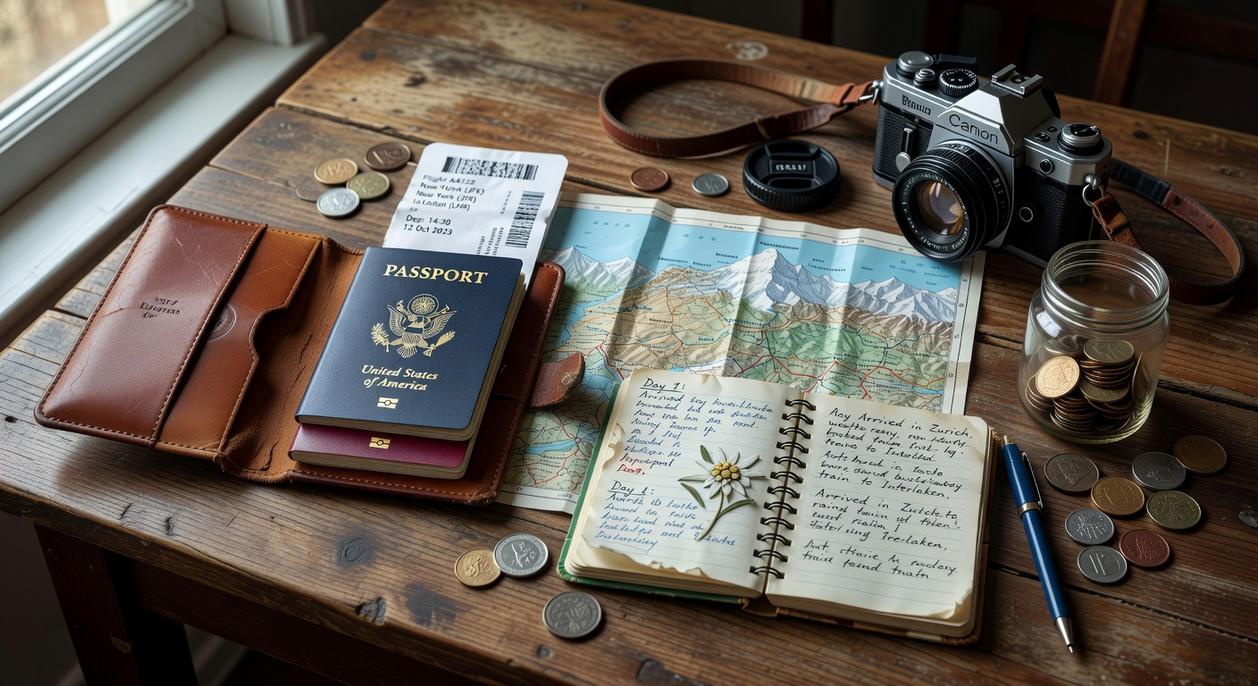
When you’re moving between airports, taxis, and hotel lobbies, simplicity wins. Start with the “Daily Carry” vs. “Hotel Safe” rule.
Carry daily:
- A paper copy of your passport
- One primary credit card
- Local ID (if applicable)
Store in your hotel safe:
- Your actual passport
- Backup credit cards
- Extra cash
Why? If your bag gets lost or lifted (it happens faster than a movie pickpocket scene), you’re not stranded. Some travelers argue you should always carry your passport. Fair point. However, unless local laws require it, a secure copy usually reduces risk without sacrificing access.
Next, think about airport flow. Keep your passport and boarding pass in a zippered jacket pocket or slim travel pouch. Not your back pocket. Not loose in a tote. You want it secure but reachable in seconds.
Then there’s receipts. Instead of cramming them into random pockets, use one small envelope or scan them immediately with a budgeting app. This tiny habit simplifies travel document organization and expense tracking.
What’s next? Consider upgrading your setup with the right gear—like those in tech essentials every modern traveler should pack—to make every transition smoother.
Worst-Case Scenario: Your Emergency Action Plan for Lost Documents
Step 1: File a Police Report. Immediately notify local authorities to create an official record—this report speeds insurance claims and embassy paperwork, saving you time.
Step 2: Contact Your Embassy or Consulate. Search online for the nearest location and schedule an emergency passport; you’ll gain a temporary lifeline home.
Step 3: Activate Your Digital Backup. Access scans to confirm identity and bookings—proof that accelerates recovery and rewards smart travel document organization.
Step 4: Cancel Cards. Call banks immediately to block charges and request replacements, protecting finances and peace of mind.
Travel with confidence and complete peace of mind. A dual physical-digital system simply means you keep paper copies of essentials like passports and visas, while storing secure digital backups in the cloud. In other words, if one version goes missing, the other steps in. This simple layer of travel document organization reduces risk, not by luck, but by preparation. Granted, some travelers argue it feels excessive. However, a few focused minutes before departure can prevent hours of panic abroad. Ultimately, building this habit before your next trip turns smart planning into lasting peace throughout every journey. Start today and relax.
Make Every Journey Smoother From Here
You set out looking for smarter ways to travel with less stress, fewer surprises, and more meaningful experiences. Now you have the tools to plan efficiently, pack strategically, immerse yourself in local culture, and stay ahead of common travel mishaps.
The biggest travel pain point isn’t the flight delay or the long security line — it’s feeling unprepared. Disorganized plans, missing paperwork, and overpacked luggage can quickly turn excitement into frustration. That’s why simple systems, especially around travel document organization, smart packing, and local research, make all the difference between chaos and confidence.
Now it’s time to act. Start applying these tips to your next itinerary, streamline your prep process, and build habits that make every trip smoother than the last. For more practical travel insights, cultural guidance, and proven planning strategies trusted by a growing community of modern explorers, explore our latest resources today and elevate the way you travel. Your next seamless adventure starts now.