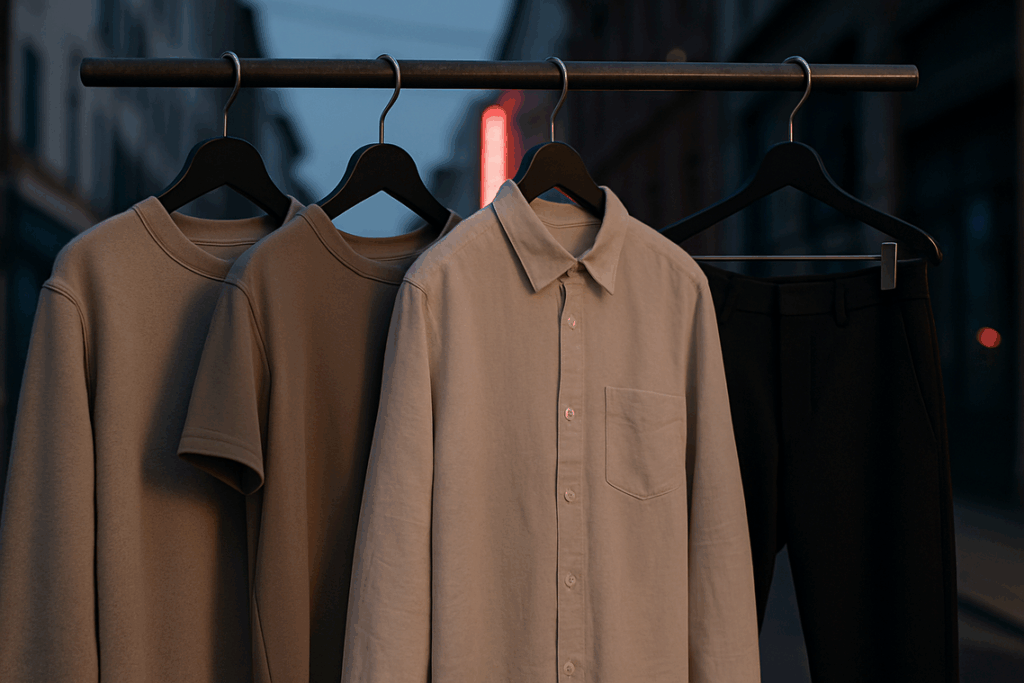
Overpacking can turn even the most exciting trip into a stressful juggling act of heavy suitcases, baggage fees, and outfit indecision. If you’ve ever struggled to zip your bag or wondered why you packed items you never wore, you’re not alone. This guide is designed to help you pack lighter and travel freer with a clear, minimalist system that eliminates the excess. You’ll learn how to build a minimalist travel kit, use a modular packing approach, and choose versatile essentials that work for any destination—so you can move confidently with everything you need and nothing you don’t.
The Foundation: Why Your Luggage Choice is the First Essential
First, decide between carry-on and checked luggage. Checked bags offer space, but they cost time, fees, and occasionally your sanity (ever waited at a silent carousel?). By contrast, a carry-on delivers freedom, eliminates lost-luggage risk, and gets you straight to the exit.
However, shell type matters just as much. Soft-shells flex for tight spaces, yet lightweight polycarbonate hard-shells outperform in impact protection and weather resistance. They also glide better when paired with four 360-degree spinner wheels.
Those wheels are non-negotiable. Airports are obstacle courses, and smooth rotation saves energy over cobblestones and concourses alike.
While some travelers argue larger checked bags suit long trips, disciplined packing within a minimalist travel kit proves otherwise. In addition, smart design beats size alone—an insight often missed in generic buying guides. For broader planning, review travel safety tips for first time international travelers.
The Capsule Wardrobe: A 4-Part System for Maximum Versatility
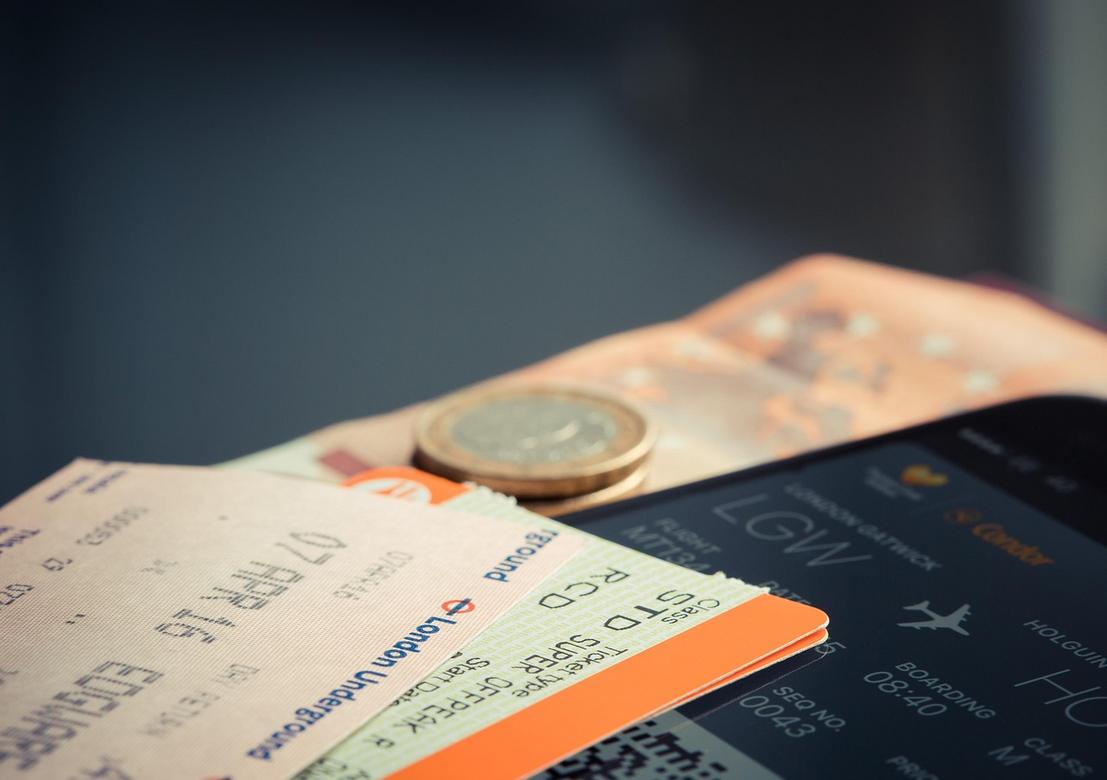
Most capsule wardrobe guides obsess over aesthetics. Ours prioritizes performance under real travel conditions — fluctuating climates, limited laundry access, and long transit days.
Tops: The Rule of Four
Bring four neutral, layer-friendly tops. “Neutral” means colors that pair with everything else in your bag (think black, navy, cream, olive). The overlooked advantage? Fabric science.
Merino wool — a natural fiber from Merino sheep — regulates temperature and resists odor due to its antimicrobial properties (Woolmark, 2023). That means fewer washes and more wears. Cotton may be cheaper, but it traps moisture and wrinkles easily (not ideal after a 10-hour flight).
Counterpoint: Some argue merino is delicate and expensive. True. But one high-quality piece that performs across climates often replaces two mediocre ones. Cost per wear wins.
Bottoms: The Versatile Duo
Limit yourself to two bottoms:
- One dark, well-fitting jeans or tailored trousers
- One adaptable option (chinos, travel pants, or a midi skirt)
The key competitors miss? Fabric stretch and pocket depth. Travel pants with hidden zip pockets reduce theft risk — a practical edge rarely discussed.
Outerwear: The One Perfect Piece
Choose one weather-resistant, packable jacket. A technical rain shell layered over merino handles more climates than a bulky coat. Down jackets compress well but struggle in heavy rain.
Some say two jackets are safer. But layering beats bulk every time (ask any seasoned hiker).
Footwear: The Holy Trinity
Three pairs only: walking shoes, one dressier option, and one situational pair (sandals or boots).
Anything more breaks the minimalist travel kit philosophy. And shoes are weight villains.
Pro tip: Wear the bulkiest pair in transit to free suitcase space.
Versatility isn’t minimalism for its own sake. It’s strategic freedom.
The Minimalist’s Tech and Toiletry Kit
First, streamline your electronics. Instead of packing three separate chargers (and a nest of cables that looks like it’s plotting revenge), carry a single multi-port USB wall charger. One outlet, multiple devices—done. Add a compact power bank—meaning a portable battery that recharges your devices on the go—and you’ve covered flight delays and long train rides. Most travelers stop there, but here’s the overlooked edge: choose short, braided cables in distinct colors to prevent mix-ups and fraying. A slim cable organizer keeps everything visible and tangle-free.
Next, embrace the solid toiletry revolution. Solid toiletries—shampoo bars, conditioner bars, and solid perfume—contain no liquid, so they bypass the 100ml/3.4oz airport liquid rule (per TSA guidelines). They’re lighter, spill-proof, and often longer-lasting than bottled versions. Yet few guides mention storage: use a vented soap case to extend their life.
For essential liquids, decant everything into reusable silicone travel bottles under 100ml. Never bring full-sized products (even “just in case”).
Finally, prioritize multi-purpose products. A tinted moisturizer with SPF replaces foundation and sunscreen. A shampoo/body wash combo saves space. The real advantage of a minimalist travel kit? Every item earns its place—or stays home.
Mastering the Art of the Pack: Cubes, Rolls, and Space-Saving Secrets
Ever unzip your suitcase and find chaos staring back at you? Let’s fix that.
Packing Cubes: The Ultimate Organizer
Packing cubes are zippered fabric compartments that divide your suitcase into sections (think dresser drawers, but portable). They compartmentalize—separate by category—and gently compress clothing. As a result, you can grab a shirt without detonating the entire bag. Some argue cubes “waste space.” However, frequent travelers report improved organization and faster security checks when items are easy to access (U.S. Travel Association, 2023).
The Rolling Method
Why roll instead of fold? Rolling distributes fabric evenly, reducing deep creases caused by sharp folds. Soft items—t‑shirts, leggings, knits—benefit most. Sound skeptical? Try packing one side folded, one side rolled. Notice the difference?
| Method | Best For | Main Benefit |
|———-|—————-|————–|
| Rolling | Tees, knits | Fewer wrinkles |
| Folding | Blazers, denim | Structure retention |
Utilize Every Inch of Dead Space
“Dead space” means unused gaps. Stuff socks inside shoes. Tuck chargers between packing cubes. Building a minimalist travel kit? Fill corners strategically.
The “Just in Case” Trap
Be honest—are you packing for reality or fantasy? Overpacking “just in case” adds bulk. Counterpoint: What if you need it? In most cities, you can buy essentials easily. Pack for definite plans first. (Pro tip: leave 10% empty space for souvenirs.)
Your New Packing Philosophy: Less Luggage, More Adventure
You came here looking for a smarter way to pack—and now you have it. With a versatile capsule wardrobe, streamlined organization, and a minimalist travel kit, you’re equipped to travel lighter and move easier.
The real issue was never space. It was the stress of hauling a heavy, chaotic bag through airports, train stations, and cobblestone streets. That overwhelm is optional.
When every item earns its place, you gain freedom, flexibility, and peace of mind.
Here’s your next step: before your next trip, lay everything out—and put half of it back. Start packing with intention and experience how much lighter travel can truly feel.