
If you’re searching for insights on global travel trends 2026, you’re likely planning ahead—whether that means smarter budgeting, choosing meaningful destinations, or staying ahead of shifting traveler preferences. The way we explore the world is evolving quickly, shaped by technology, sustainability demands, cultural curiosity, and changing traveler expectations.
This article breaks down the most important developments defining travel in 2026, from immersive local experiences and flexible itineraries to smarter packing strategies and emerging hotspots. We focus on what these trends actually mean for your trips—how they affect costs, planning decisions, and the overall quality of your experience.
Our insights are grounded in ongoing analysis of industry data, tourism reports, and real-world traveler behavior patterns across major and emerging destinations. By the end, you’ll have a clear understanding of where travel is headed in 2026—and how to make the most of it.
The New Horizon: What to Expect When You Travel in 2026
Travel isn’t “back to normal.” It’s evolved. Borders are open, but expectations are higher. Planning a trip now means understanding global travel trends 2026 and deciding how you want to experience them.
Here’s my recommendation: prioritize meaning over mileage. Choose fewer destinations and stay longer. Travelers who slow down report deeper cultural connection and lower stress (Booking.com, 2025).
- Book flexible fares and pack versatile layers to adapt to climate swings and dynamic pricing.
Leverage AI itinerary tools, but verify with locals. Plan smarter and focus on moments.
Trend 1: The Rise of “Slow-Motion” Tourism and Deep Dives”
First, let’s define slow-motion tourism: an approach to travel that prioritizes extended stays in one destination rather than racing through multiple cities in a single trip. In other words, depth over breadth. Instead of “If it’s Tuesday, it must be Rome,” think, “It’s Tuesday, and I finally know my barista’s name.”
So what’s in it for you? For starters, less burnout. Many travelers return home needing a vacation from their vacation. By staying longer in one place, you reduce transit stress, unpack once, and actually recharge. Not surprisingly, this shift aligns with global travel trends 2026, which show growing demand for meaningful, unhurried experiences (UNWTO reports increasing interest in sustainable, longer stays).
Moreover, slow travel creates space for cultural immersion. You can shop at neighborhood markets, take a language class, or build relationships with local artisans. These aren’t checkbox moments—they’re memories with texture.
To plan your own deep dive, consider renting an apartment instead of a hotel. Next, find a local co-working space if you’re blending work and travel. Then, explore neighborhoods block by block rather than landmark-hopping. (Pro tip: pick one “anchor café” and become a regular.)
Ultimately, you gain connection, clarity, and a trip that feels less like a sprint—and more like a story unfolding.
Trend 2: AI-Powered Itineraries and Your Personal Travel Concierge
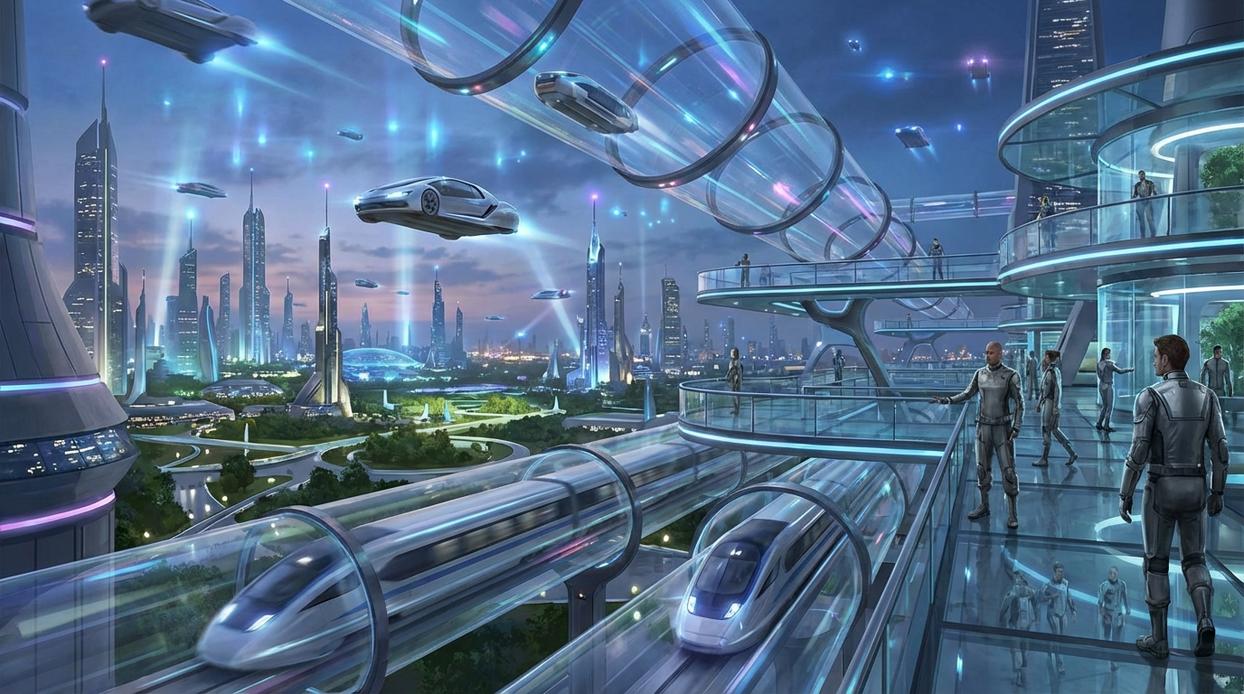
AI is no longer just helping you book a flight; it’s becoming your real-time travel sidekick. In my view, this shift is the most exciting leap in global travel trends 2026. Instead of juggling tabs and spreadsheets (we’ve all been there), travelers can now generate hyper-personalized daily itineraries that adjust on the fly.
From Static Plans to Living Itineraries
Here’s the core idea: your itinerary breathes. If rain hits Rome at 2 p.m., your AI swaps the walking tour for a tucked-away trattoria. If museum lines spike, it reroutes you to a lesser-known gallery nearby. Frankly, that kind of flexibility feels like having a concierge in your pocket.
Travelers in 2026 are using AI to:
- Build mood-based schedules (relaxed café day vs. high-energy sightseeing)
- Monitor crowd levels in real time
- Translate conversations instantly with AI-driven voice tools
- Access augmented reality guides layering historical context over landmarks
Some argue this tech removes spontaneity. I disagree. When logistics are handled, you’re freer to wander. Pro tip: feed your AI preferences daily—food cravings, energy levels, even budget tweaks—for sharper results.
Ultimately, smarter planning doesn’t replace adventure; it removes friction so every moment lands better.
Trend 3: Eco-Conscious Escapes and Community-First Journeys
Sustainability is no longer a trendy add-on; it’s a decision filter. Travelers are asking harder questions: Who benefits from my stay? What happens to this beach after I leave?
I learned this the hard way. A few years ago, I booked a “green” resort that proudly advertised towel reuse programs. It looked responsible—until I realized the property was draining local water resources during a drought. That experience taught me a key term: greenwashing—when a company markets itself as eco-friendly without meaningful action (European Commission, 2020).
Now, instead of relying on carbon offsets alone (which can be controversial due to inconsistent standards, per MIT Climate Portal, 2022), I dig deeper:
- Check for third-party certifications like GSTC or EarthCheck.
Regenerative tourism—travel that leaves a place better than you found it—is gaining traction in global travel trends 2026. Destinations like Costa Rica have invested heavily in conservation-backed tourism models (UNWTO data consistently ranks it as a sustainability leader).
Supporting locally and Indigenous-owned businesses also shifts your impact from extractive to empowering. It fosters cultural respect and more meaningful exchanges (and yes, the food tastes better when it’s family-run).
If you’re exploring long stays, see how digital policies influence responsible travel in how digital nomad visas are changing long term travel.
The lesson? Travel lighter—on the planet and on local communities. Pro tip: email hotels directly and ask specific sustainability questions. Their response tells you everything.
Trend 4: Smart Packing Evolved with the Tech-Infused Carry-On
Airlines didn’t just raise baggage fees for fun. In 2023, U.S. carriers collected over $7 billion in baggage fees (U.S. Bureau of Transportation Statistics). The response? Travelers are getting smarter. The ONE-BAG MINDSET is no longer minimalist chic—it’s strategic freedom.
Some argue checked luggage offers comfort and “just-in-case” security. Fair. But dragging 50 pounds through Lisbon’s cobblestones or waiting at baggage claim while everyone else heads to tapas? That’s the trade-off.
Here’s your 2026 carry-on mini-checklist:
- Multi-use tech: A universal adapter with a built-in power bank eliminates two bulky items. (Pro tip: choose one under 100Wh to meet airline rules.)
- High-performance compression clothing: Merino wool tees and wrinkle-resistant pants compress small, resist odor, and layer easily.
- Solid toiletries: Shampoo bars, solid sunscreen sticks, and toothpaste tablets breeze through security and won’t explode mid-flight.
- Packable day bag: For spontaneous market runs or beach detours.
According to global travel trends 2026, travelers prioritize flexibility over formality. A lighter bag means faster train changes, easier stair climbs, and zero baggage claim anxiety.
Want more smart packing hacks? Explore https://drapizto.com for practical gear breakdowns and real-world packing tests. Freedom isn’t about bringing more. It’s about carrying less—and moving better.
Travel in 2026 is no longer about ticking landmarks off a list; it’s about designing journeys with purpose. The rise of global travel trends 2026 shows travelers choosing experiences that are intentional, personalized, and sustainable. The real question isn’t where you’ll go, but how you’ll go well. Slow travel, smart tech planning tools, eco-conscious lodging, and efficient packing systems turn ordinary trips into transformative ones.
Plan with purpose:
• Choose longer stays that deepen cultural immersion and reduce transit emissions.
• Use AI-powered itineraries to match activities with your values and budget.
Start mapping an adventure that reflects you fully.
Your Next Adventure Starts Now
You came here to understand where travel is headed and how to prepare for the experiences shaping tomorrow’s journeys. Now you have a clearer view of global travel trends 2026 and what they mean for the way you explore, pack, and connect with the world.
The biggest frustration for modern travelers isn’t a lack of desire—it’s uncertainty. Where should you go? How do you travel smarter? How do you avoid crowded, surface-level experiences and instead create meaningful moments? Staying ahead of these trends ensures you don’t waste time, money, or energy on trips that miss the mark.
The opportunity is simple: travel with intention. Use these insights to choose emerging destinations, embrace cultural immersion, and pack strategically for smoother journeys. Turn information into action.
If you’re ready to travel smarter—not harder—start planning your next trip with guidance built around real insights and practical tips. Discover curated inspiration, expert-backed advice, and immersive ideas designed to eliminate guesswork and elevate every journey. Explore more now and make your next adventure your best one yet.