
UNESCO World Heritage travel offers more than sightseeing—it’s an invitation to step into the stories, cultures, and natural wonders that have shaped our world. Yet with so many iconic sites across continents, planning a meaningful journey can feel overwhelming. Where should you begin, and how do you move beyond snapshots to truly connect with each destination? This guide provides a clear, step-by-step framework to help you plan thoughtfully, explore intentionally, and experience each landmark with deeper appreciation. Built on years of hands-on travel insights and practical advice, it ensures your journey is not only memorable, but profoundly enriching from start to finish.
What Makes a UNESCO Site So Special?
At the heart of every UNESCO designation is Outstanding Universal Value—a formal standard meaning a place is so exceptional it matters to all humanity, not just one nation. UNESCO evaluates sites against ten criteria: cultural landmarks (like the Pyramids of Giza) must demonstrate historical, artistic, or architectural significance, while natural sites (like the Great Barrier Reef) must showcase ecological or geological importance. As of 2024, there are over 1,100 World Heritage Sites across more than 160 countries (UNESCO).
Beyond the title, these places represent shared global heritage. They are protected not simply for tourism, but for preservation, research, and education.
• Cultural sites safeguard human creativity and history.
• Natural sites protect biodiversity and fragile ecosystems.
Skeptics might say it’s just a label to attract crowds. Yet studies show World Heritage status increases conservation funding and international oversight (UNESCO World Heritage Centre).
For travelers, UNESCO World Heritage travel offers something deeper—a tangible link to human achievement and the planet’s wonders (far beyond a typical selfie stop).
Planning Your First UNESCO Trip: A Practical Checklist
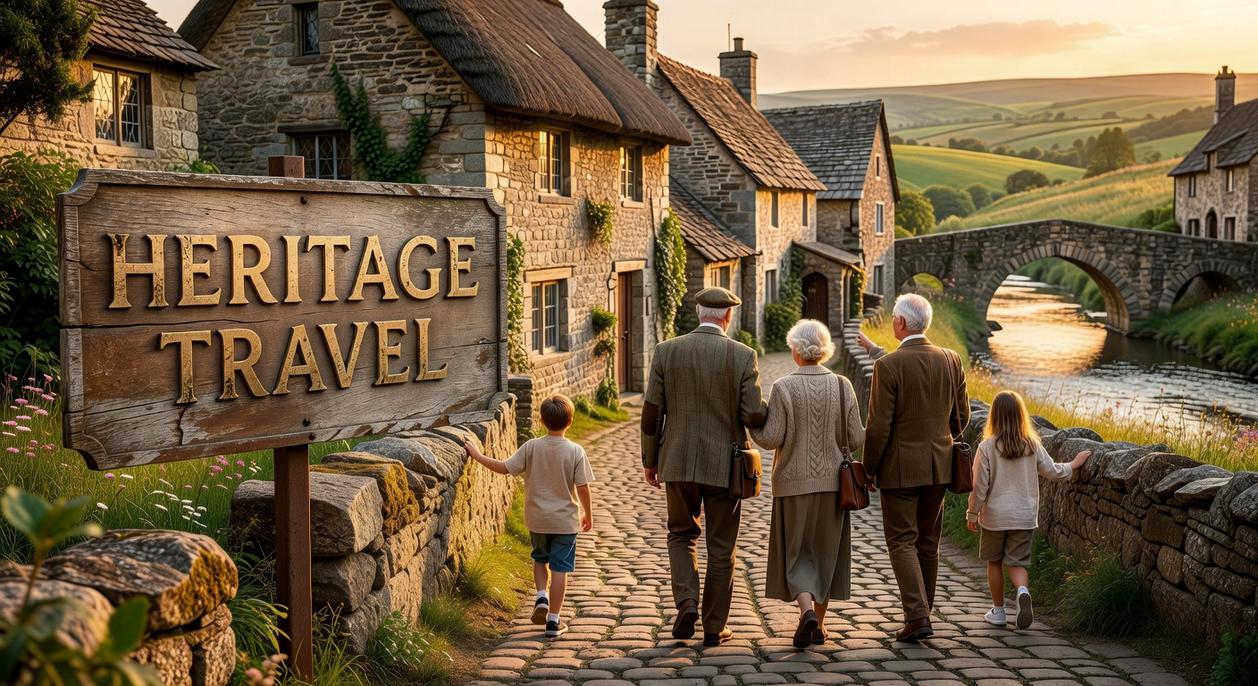
Planning your first UNESCO site visit feels a bit like picking your favorite film at an international festival—there’s no wrong choice, but there is a right choice for you. When choosing a destination, think about what genuinely excites you. Love history? Ancient cities like Rome or Petra might top your list. Prefer nature? The Great Barrier Reef or Yellowstone could be your scene. Accessibility matters too—some heritage sites require long hikes or limited transport (romantic in theory, exhausting in reality).
Logistical Deep Dive
Timing can make or break the experience. Shoulder seasons—those sweet spots between peak and off-peak—often mean fewer crowds and better prices. According to UNESCO tourism reports, overtourism threatens preservation efforts at popular sites (UNESCO World Heritage Centre). Booking timed-entry tickets in advance is, in my opinion, non-negotiable.
- Check site-specific rules (some restrict tripods or large bags)
- Arrive early for quieter exploration
- Respect conservation guidelines (they exist for a reason)
Building an Itinerary
Here’s where many travelers slip up: they focus solely on the headline site. I think that’s a mistake. Pair your landmark visit with local neighborhoods, markets, or culinary experiences. Exploring regional cuisine adds context—this piece on how food shapes cultural identity in different regions (https://drapizto.com/how-food-shapes-cultural-identity-in-different-regions/) explains why food is often cultural storytelling on a plate.
Budgeting for Heritage
Entry fees vary widely, from modest to steep. Guided tours can deepen understanding, though I’d argue audio guides sometimes offer similar value for less.
- Budget for entrance fees
- Compare tour vs. self-guided costs
- Travel off-peak to save
UNESCO World Heritage travel isn’t just sightseeing—it’s stewardship. Spend wisely, travel thoughtfully, and savor it fully.
Beyond the Crowds: Finding Immersive Cultural Experiences
It’s easy to stand before a famous monument, snap the photo, and move on. Yet sometimes I wonder if we miss the real story when we stop there. The stone walls are impressive, yes—but who built them, who worshipped there, who still feels connected to that space? That’s where a local guide can change everything. Not just for facts, but for lived perspective (the kind you won’t find on a plaque).
The Local Lens in Action
For example, visiting a historic fortress might feel straightforward. However, pair it with a neighborhood walk, and suddenly history feels personal.
| Main Site Visit | Immersive Add-On |
|—————–|——————|
| Guided monument tour | Family-run market visit |
| Museum exhibit | Traditional cooking class |
| Scenic viewpoint | Evening folk performance |
Meanwhile, exploring regional cuisine near the site adds context. Food carries memory. Markets reveal rhythms of daily life. And if cultural performances are available, they often express traditions more vividly than any audio guide.
That said, I’ll admit something: balancing access and preservation isn’t always clear-cut. UNESCO World Heritage travel brings visibility—and crowds. So tread lightly. Support local artisans, follow posted guidelines, and ask before photographing people. After all, cultural treasures aren’t stages; they’re living spaces we’re briefly invited into.
The Essentials-Only List
I used to pack like I was preparing for a survival reality show. Three jackets, backup shoes, extra gadgets (that I never touched). The result? Sore shoulders and serious regret halfway up a stone staircase in Machu Picchu. Smart packing isn’t about more—it’s about right.
For UNESCO World Heritage travel, here’s the essentials-only list I wish I’d followed:
- Comfortable, durable footwear (broken in, not brand new)
- Lightweight, breathable clothing you can layer
- Compact rain jacket or poncho
- Sun protection: hat, sunglasses, high-SPF sunscreen
- Portable charger and charging cable
- Camera or smartphone with storage space
- Digital and physical copies of tickets and passport
Footwear is key. Ancient cobblestones in Rome and jungle paths in Angkor don’t forgive flimsy soles. I once wore fashion sneakers to a fortress hike—never again.
Climate matters more than you think. I underestimated desert sun at Petra and overestimated tropical forecasts in Hoi An. Layers solve both problems (pro tip: moisture-wicking fabrics dry overnight).
Tech and documentation are your safety net. Dead phones and spotty Wi-Fi happen. Having backup copies saved me at airport security once.
Pack lighter than you think. Your future self, climbing yet another staircase, will thank you.
Your Passport to the Planet’s Greatest Stories
You set out wanting more than a checklist—you wanted a deeper connection to the world’s most remarkable places. Now you have the framework to turn UNESCO World Heritage travel into something truly unforgettable. With smart planning, meaningful local immersion, and practical preparation, you can replace overwhelm with clarity and transform crowded landmarks into powerful, personal experiences.
Don’t let confusion or poor planning dilute a once-in-a-lifetime journey. Start by choosing one site that excites you, map out your approach using these strategies, and take the first step today. The stories of the world are waiting—go experience them firsthand.