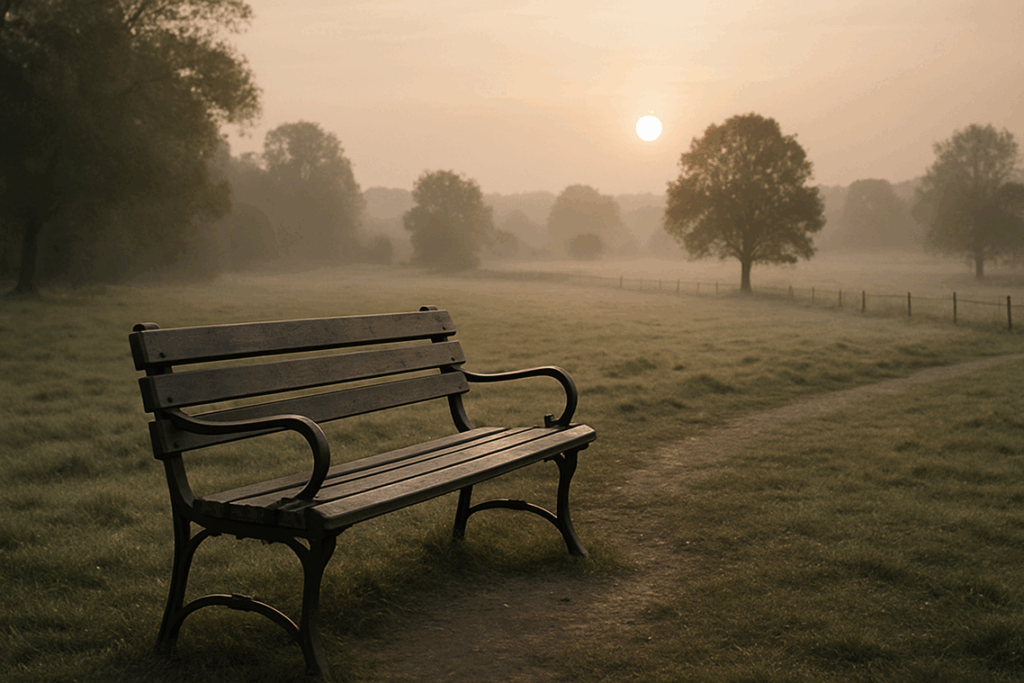
Choosing between city vs countryside travel can shape your entire trip—from how you pack to the pace of your days and the stories you bring home. If you’re trying to decide which experience fits your travel style, budget, or goals, this guide will help you cut through the guesswork.
Many travelers struggle with this choice. Cities promise culture, cuisine, and constant energy, while the countryside offers space, authenticity, and slower, more immersive moments. The right decision depends on what you value most—and how you want to feel when you return home.
In this article, you’ll discover the real differences between urban and rural adventures, practical tips for planning each, and smart ways to maximize your experience no matter which path you choose. Our insights draw from extensive travel research, on-the-ground cultural exploration, and proven packing and planning strategies to ensure you make a confident, informed choice for your next journey.
Last spring, I booked a week in New York, craving noise, neon, and nonstop discovery. By autumn, I escaped to a cabin where the loudest thing was the wind. That contrast captures the classic city vs countryside travel dilemma. A metropolis offers culture, cuisine, and constant motion; the countryside delivers stillness, space, and slow mornings. So, which do you need right now?
Consider:
- Energy and events versus rest and reflection
- Higher costs and transit versus simpler pleasures
- Packed itineraries versus open skies
Ultimately, the best trip depends on your goal—stimulation or reconnection. This breakdown will help you choose wisely today.
The Vibrant Energy of the Urban Jungle
Cities don’t just buzz—they hum with layered stories, flavors, and late-night neon. Compared side-by-side, city vs countryside travel offers entirely different rhythms. One gives you quiet horizons; the other hands you a subway map and says, “Go explore.”
Cultural Epicenters
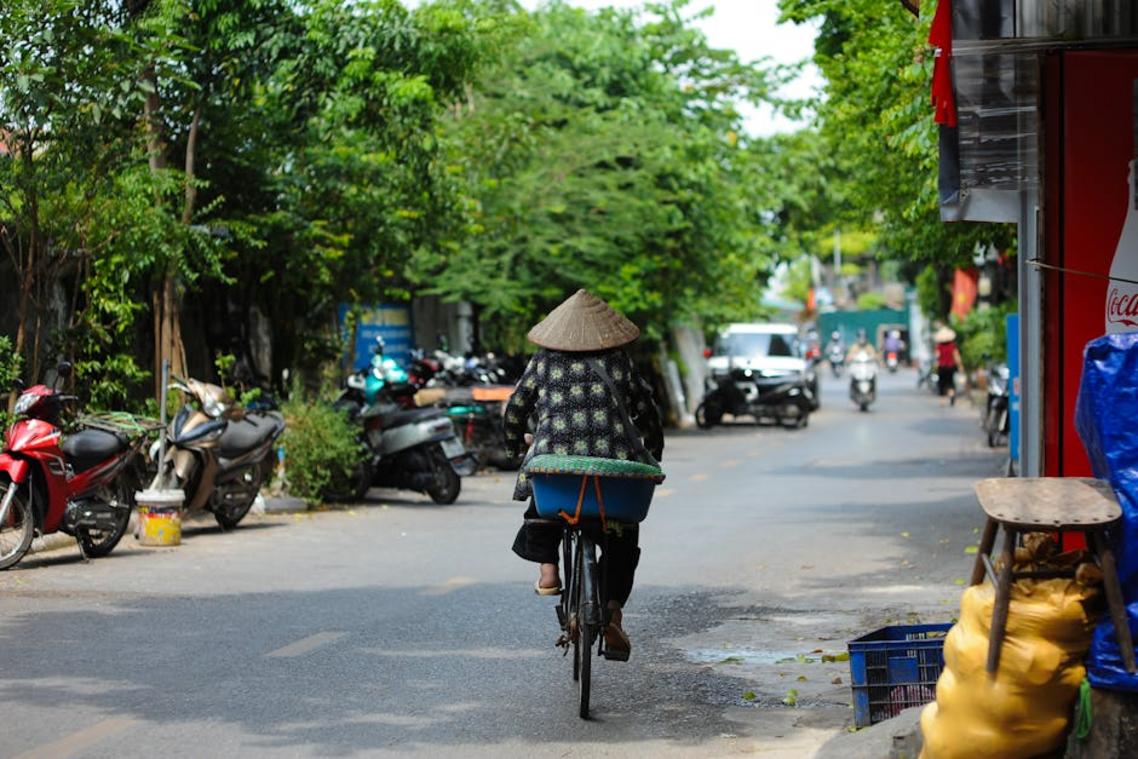
First, consider density. In a major city, you can walk from a contemporary art gallery to a century-old museum, then catch live theater—all within a few blocks. That concentration of culture (meaning a high volume of artistic and historical experiences in a tight space) is hard to rival. While rural areas offer heritage sites and natural landmarks, cities stack experiences vertically and horizontally. Think of it as choosing between a single campfire story and an entire streaming library—both valuable, but vastly different in scale.
A Culinary World Tour
Next comes food. Urban centers function like edible atlases. You might start with a Michelin-starred tasting menu and end with authentic street tacos at midnight. In contrast, countryside dining often leans local and seasonal—fresh, yes, but less globally varied. Cities deliver culinary diversity, meaning access to multiple international cuisines without crossing borders (no passport required).
Unmatched Convenience
Moreover, public transportation, ride-sharing, and walkability eliminate the need for a car. In rural settings, distance dictates your schedule. In cities, spontaneity wins. Missed one train? Another arrives in minutes.
Endless Entertainment
Finally, cities rarely sleep. Concerts, pop-ups, sporting events—something is always unfolding. If the countryside whispers, the city performs an encore.
Finding Serenity in the Countryside
Immersion in Nature
If you’re craving a reset, choose landscapes over skylines. Mountains, forests, lakes, and wild coastlines aren’t just pretty backdrops—they actively reduce stress hormones like cortisol, according to the American Psychological Association. Hike wooded trails at sunrise, kayak across glassy water, or try stargazing far from light pollution (you’ll finally understand why poets never shut up about the night sky). My recommendation: book lodging near a national park and plan at least one guided outdoor activity to deepen the experience.
The Luxury of Peace and Quiet
The real indulgence of rural travel isn’t thread-count sheets—it’s silence. Unlike city vs countryside travel, where noise competes for your attention, the countryside offers stillness that supports better sleep and mental clarity. Studies from Harvard Health show time in quiet natural settings can improve mood and focus. Schedule device-free hours each day. Protect that calm like it’s a dinner reservation.
Authentic Local Connections
Skip chain restaurants. Visit farmers’ markets, talk to artisans, and ask innkeepers where they eat. Smaller communities foster genuine exchanges that feel less transactional and more human. If you enjoy cultural immersion, explore the top cultural festivals around the world worth planning for and align your countryside trip with a local celebration.
Space and Seclusion
Choose stays that maximize privacy:
| Stay Type | Best For | Why It Works |
|——————|———————-|————–|
| Secluded Cabin | Couples, solo trips | Total quiet |
| Farmhouse | Families | Room to roam |
| Empty Beach Hut | Reflection | Ocean calm |
Space isn’t a luxury—it’s freedom.
A Head-to-Head Comparison for the Modern Traveler
When choosing between a city escape and a rural retreat, your decision really comes down to pace, priorities, and personality. In the debate over city vs countryside travel, the right answer isn’t universal—it’s personal.
Pace of Life
A city break runs on a schedule. You map museum hours, dinner reservations, and train routes (and somehow still walk 20,000 steps a day). It’s structured, energetic, and packed. In contrast, the countryside invites flexibility. Wake with the sun, linger over coffee, take the long trail just because it looks interesting. If you crave stimulation, choose the city. If you’re feeling stretched thin, the rural rhythm will likely suit you better.
Budgeting and Costs
Cities often mean higher accommodation and dining costs. However, they balance it out with free walking tours, public parks, and street performances. Rural destinations may offer cheaper lodging—think cabins or guesthouses—but usually require a car rental, fuel, and longer drives. My recommendation: price out transportation first. That’s where rural trips quietly add up.
Types of Activities
- Urban: museums, shopping districts, architectural tours, nightlife
- Rural: hiking trails, swimming spots, wildlife watching, deep relaxation
If your ideal day ends with rooftop cocktails, pick the city. If it ends with sunset views and zero notifications, go rural.
Accommodation Styles
Cities offer high-rise hotels and boutique apartments close to the action. Rural stays lean toward charming bed & breakfasts, rustic cabins, and campgrounds. Choose lodging that enhances your goal—not just your budget.
In short, match your environment to your energy. That’s the smartest travel decision you can make.
Smart packing starts with context. In city vs countryside travel, needs shift FAST. Studies from the Global Business Travel Association show 65% of urban travelers log over 10,000 steps daily, so comfortable yet stylish walking shoes are ESSENTIAL. Add layered clothing for indoor/outdoor swings, a portable power bank, and a reusable water bottle.
• Urban carry-on: sleek sneakers, light jacket, compact charger.
Rural trips demand resilience. The U.S. National Park Service reports weather changes cause thousands of rescues yearly. Pack waterproof outerwear, sturdy hiking boots, insect repellent, a first-aid kit, and offline maps—cell service often drops unexpectedly (yes, in 2026).
Designing Your Ideal Escape
Ultimately, the debate over city vs countryside travel isn’t about which wins; it’s about what you need right now. If you’re craving inspiration and energy, bright lights and busy streets deliver. If you need rest and reflection, quiet trails restore you. Choose accordingly. Trust your instincts.
Choosing Between City Energy and Countryside Calm
You set out to understand the real differences between city vs countryside travel, and now you have a clearer picture of what each experience truly offers. Whether you crave fast-paced streets filled with culture and cuisine or wide-open landscapes that invite you to slow down and breathe, the choice comes down to how you want to feel when your trip is over.
The biggest frustration travelers face isn’t a lack of destinations — it’s choosing the wrong environment and ending up overwhelmed, bored, or disconnected. When your travel style doesn’t match your expectations, even the most beautiful place can feel disappointing.
Now that you know how to align your personality, goals, and travel pace with the right setting, the next step is simple: plan intentionally. Map out the experiences you want, prioritize what energizes you, and build an itinerary that supports that vision.
If you want expert-curated travel insights, immersive local tips, and smart planning hacks that remove the guesswork, explore our latest guides and start designing a trip that truly fits you. Join thousands of travelers who rely on our trusted insights to travel smarter, pack better, and experience more — your next unforgettable journey starts now.