Planning a trip today isn’t just about booking flights and hotels—it’s about traveling smarter, immersing deeper, and making every moment count. If you’re searching for practical travel tips, cultural insights, and ways to experience destinations beyond the surface, this guide is designed for you. We break down essential strategies for seamless journeys, from smart packing hacks to meaningful local experiences that transform ordinary trips into unforgettable adventures.
Modern travelers want more than sightseeing—they want connection. That starts with understanding local customs, navigating cultural nuances respectfully, and knowing how to engage with communities in authentic ways. In this article, you’ll find actionable advice that helps you avoid common travel missteps, save time and money, and step confidently into new environments.
Our insights are built on extensive destination research, real-world travel analysis, and curated global perspectives to ensure you receive practical, trustworthy guidance you can apply immediately.
Laying the Groundwork: What to Do Before You Go
Before you book the flight or zip the suitcase, pause. Preparation is more than logistics; it’s cultural intelligence in action (and yes, that’s a real skill). Start by learning a few key phrases—hello, thank you, excuse me. These are called social lubricants, small expressions that ease human interaction. In Japan, a simple “arigatou” can shift a transaction into a connection.
Next, focus on understanding local customs. Research greetings, dining etiquette, and gift-giving norms. For example, in some cultures a firm handshake signals confidence; in others, a bow or light touch is appropriate. Critics might argue that being yourself is enough. However, context matters. What feels natural to you could feel careless to someone else (nobody wants to be the accidental villain in a travel story).
Equally important is historical and social context. Knowing major holidays or community structures turns sightseeing into insight. Think of it as switching from tourist mode to anthropologist-lite.
Finally, pack with purpose.
| Item | Why It Matters |
|——-|—————-|
| Modest attire | Respects religious spaces |
| Neutral colors | Blends into formal settings |
| Small gift | Signals gratitude |
Pro tip: When in doubt, dress slightly more conservatively than you think necessary. It’s easier to relax formality than repair first impressions.
The Art of Arrival: Observing with Intent
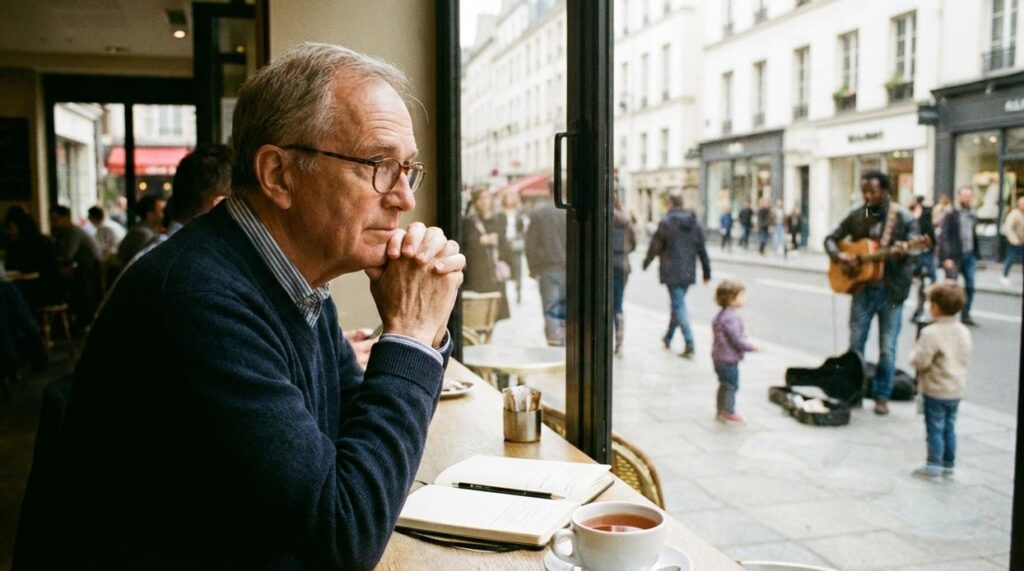
On your first day in a new place, resist the urge to conquer it. Instead, arrive quietly. Spend a morning in a park, market, or café and simply watch. Notice how people greet each other—handshakes, bows, cheek kisses, or a subtle nod. See who lingers and who rushes. This first 24 hours is less about sightseeing and more about understanding local customs.
Back in 2019, I spent three days in a seaside town before speaking more than a few polite phrases. By day two, patterns emerged. The café filled at exactly 8 a.m. The same three elders claimed the shaded bench by noon. (Yes, there is always a “regulars” bench.) Observation turns confusion into context.
Listen more. Speak less. Pay attention to:
- The rhythm of conversations
- The volume people consider “normal”
- Topics discussed openly in public
You’ll learn what’s celebrated, what’s sensitive, and what’s sacred without asking a single direct question.
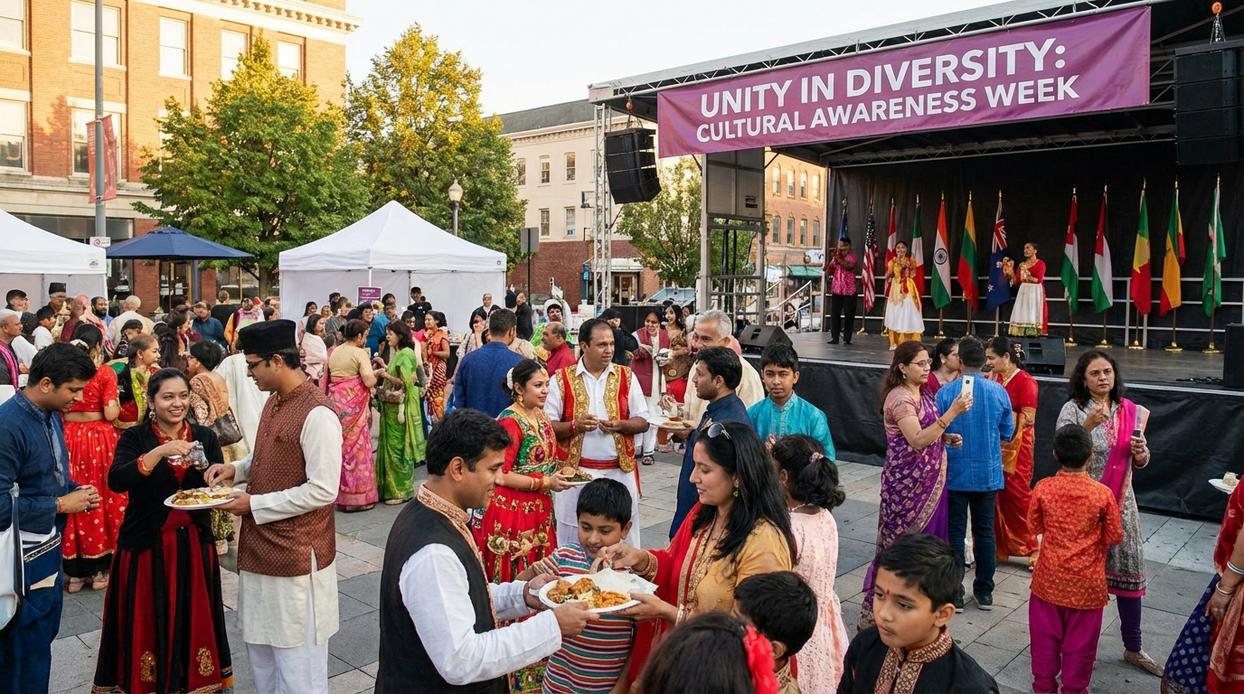
If there’s a public gathering—a festival, market day, or concert in the square—attend as a respectful observer. Community events compress culture into a few vivid hours. Watch who organizes, who participates, and who watches from the sidelines.
Finally, identify community hubs. Is it the teahouse? A bakery? The steps of city hall? These spaces reveal the social heartbeat. After a week of intentional observation, you’ll move from outsider to aware participant—and that shift changes everything.
From Observer to Participant: Making Meaningful Connections
Travel shifts from passive sightseeing to genuine connection when you invest directly in local people. According to the World Travel & Tourism Council, small and medium-sized tourism enterprises make up about 80% of global tourism businesses. Choosing family-owned restaurants, buying from local artisans, and hiring community guides doesn’t just “feel good”—it measurably supports livelihoods. In places like Oaxaca, Mexico, community-based tourism initiatives have increased household incomes by up to 30% (UNWTO case studies). That’s real impact, not just a souvenir receipt.
Skeptics argue that tourism dollars rarely reach residents. Sometimes that’s true—especially in resort-heavy areas. But that’s precisely why intentional spending matters. When you ask open-ended, respectful questions—“I find this tradition fascinating, could you tell me more about its meaning?”—you signal curiosity, not criticism. Researchers in intercultural communication note that open dialogue significantly improves cross-cultural trust (Journal of Cross-Cultural Psychology).
Taking a local workshop amplifies that trust. A cooking class in Chiang Mai or a weaving lesson in Peru transforms you from spectator to participant (and yes, you’ll probably fumble at first—that’s part of the charm). Experiential learning studies show people retain up to 75% more information through hands-on participation compared to passive observation.
And if you’re invited into someone’s home? Accept graciously. Anthropologists emphasize that hospitality is often a profound cultural gesture of inclusion. Understanding local customs ensures you respond appropriately and respectfully.
If you’re already exploring unesco world heritage sites beyond the crowds (https://drapizto.com/exploring-unesco-world-heritage-sites-beyond-the-crowds/), take the next step: engage, ask, participate. Travel isn’t a performance to watch—it’s a story you’re briefly allowed to join.
Navigating Sacred Spaces and Private Practices
Travel often brings you into contact with sacred spaces and deeply personal traditions. It helps to clarify a simple but important idea: not everything you see is meant to be shared. Some rituals are community-only ceremonies, meaning they are private gatherings intended for members of that culture or faith. If you are unsure, assume it is not public unless clearly stated.
When it comes to photography, remember that a person’s image is part of their identity. Always ask before taking a photo. If the answer is no, accept it graciously (a smile and nod go a long way).
In religious sites, follow posted dress codes, remain quiet, and respect restricted areas. These are living places of worship, not museum exhibits.
- If you feel you are intruding, step back politely and reassess.
Ultimately, respectful travel starts with understanding local customs and practicing awareness in every interaction.
Your Next Journey Starts with Deeper Connection
You set out to travel smarter, connect more deeply, and avoid the awkward missteps that can turn an exciting trip into a stressful one. Now you have the tools to do exactly that. From practical travel tips to immersive cultural experiences and smart packing hacks, you’re better prepared to move through the world with confidence.
The truth is, the biggest travel frustrations often come from feeling unprepared or out of place. That’s why understanding local customs isn’t just helpful—it’s essential. When you know how to greet, dine, tip, dress, and communicate respectfully, you don’t just visit a destination—you experience it.
Now it’s time to act. Start planning your next trip with intention. Explore new destinations, apply these insights, and seek out authentic local experiences instead of surface-level sightseeing.
If you’re ready to travel without confusion, cultural missteps, or overpacking stress, dive into our Horizon Headlines, insider travel tips, and immersive guides today. Join thousands of savvy travelers who rely on our trusted insights to make every journey smoother and more meaningful. Your smarter, more connected adventure begins now.