

Travelers today aren’t just looking for destinations—they’re searching for deeper, more meaningful experiences. If you’ve found yourself craving richer cultural connections, smarter packing strategies, and ways to explore beyond the tourist checklist, this guide is designed with you in mind. We break down practical travel tips, immersive local experiences, and thoughtful planning strategies that help you see more by doing less.
As interest in the slow travel movement continues to grow, more explorers are choosing quality over quantity—staying longer, engaging locally, and traveling with intention. This article shows you how to do exactly that, with actionable advice you can use on your very next trip.
Our insights are shaped by seasoned travelers, cultural researchers, and firsthand destination analysis to ensure you’re getting reliable, experience-backed guidance—not recycled travel clichés. Whether you’re planning your next adventure or rethinking how you travel altogether, you’ll find practical inspiration here.
Ever come home from vacation needing another vacation? You sprint through the “top 10” sights, stand in lines, snap photos, and barely taste the place. It’s exhausting. Traditional tourism often feels like speed dating with a city—quick, flashy, forgettable. Worse, it strains neighborhoods and ecosystems (those souvenir shops didn’t replace themselves).
The antidote is the slow travel movement: stay longer, go deeper, spend locally.
• Choose one neighborhood and learn its rhythms
• Support small businesses over global chains
Some argue you’ll miss out. We’ve found the opposite—you finally arrive. Travel should restore you, not drain your spirit and curiosity.
The Philosophy of “Less is More”: Defining Sustainable Journeys
I once spent three days in a city just to “check it off.” I remember more about the airport than the place itself. That trip taught me what sustainable travel truly means.
Sustainable travel isn’t just eco-friendly tourism—travel that reduces environmental harm. It’s a holistic approach that balances environmental care, cultural respect, and economic support for locals (think fewer souvenir chains, more neighborhood markets).
Key principles:
- Staying longer in one place to reduce transit emissions and deepen connection
- Choosing locally owned businesses over global chains
- Minimizing waste through reusables and mindful consumption
- Engaging in genuine cultural exchange, not staged experiences
Critics argue whirlwind trips maximize time and money. But overtourism—when too many visitors strain infrastructure and local life—shows the cost of that mindset (UNWTO).
The slow travel movement invites a shift: become a temporary neighbor, not just a consumer. Less itinerary, more immersion.
Treading Lightly: Practical Steps to Minimize Your Environmental Footprint
Travel isn’t inherently harmful—how we travel makes the difference. While many guides stop at “offset your carbon,” few break down what that actually means in daily decisions.
Transportation Choices
Flights produce significantly more CO₂ per passenger kilometer than trains or buses (International Energy Agency, 2023). If a rail route exists, it’s often the lower-impact choice—and you’ll see more than airport terminals (bonus). Buses and shared shuttles also reduce per-person emissions. Once at your destination, walk, bike, or use public transit.
| Mode of Transport | Relative Emissions | Best Use Case |
|---|---|---|
| Plane | High |
Long-haul only |
| Train | Low | Regional travel |
| Bus | Low–Moderate | Budget routes |
| Bicycle/Walk | Minimal | Local exploring |
The slow travel movement encourages fewer destinations with longer stays—cutting transport emissions while deepening cultural connection.
Accommodation
Large international chains often consume more water and energy per guest (UN Environment Programme). Instead, book locally-owned guesthouses, eco-lodges, or homestays. Ask about solar power, water-saving systems, and local hiring practices. (If they proudly explain their compost setup, you’re in the right place.)
Daily Habits on the Road
Carry a reusable water bottle with a built-in filter. Pack solid toiletries to avoid plastic leaks and waste. Politely refuse single-use cutlery and hotel mini-toiletries. Pro tip: bring a compact tote for market visits—it replaces countless plastic bags.
Supporting Conservation
Choose tour operators that donate to conservation projects or employ local guides trained in environmental stewardship. Visit protected reserves where entrance fees fund habitat protection. Your spending becomes a vote—for ecosystems, not exploitation.
From Tourist to Guest: The Art of Authentic Cultural Immersion
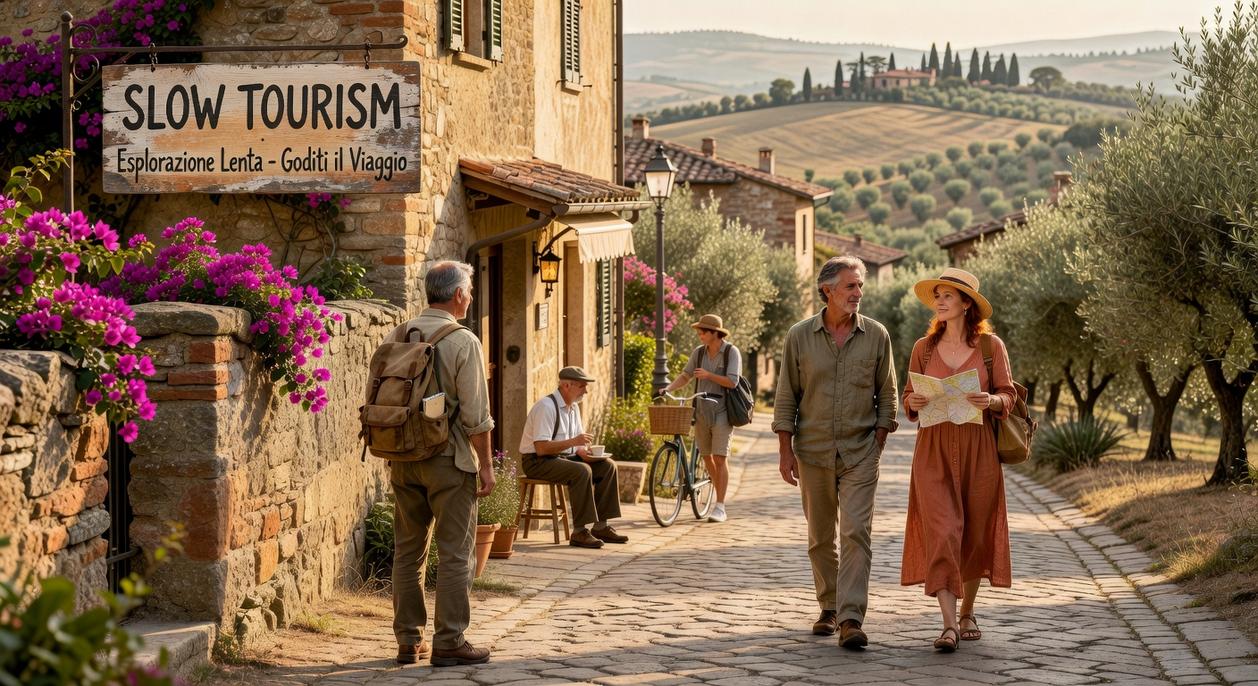
The difference between a tourist and a guest comes down to intention. A tourist consumes a place. A guest participates in it. If you want the latter, start with the basics.
Learn the Lingo
First, learn a few key phrases in the local language. Even simple greetings or “thank you” signal respect. Linguists call this linguistic accommodation—adjusting your speech to connect with others. In practice, it turns transactions into conversations. I once watched a traveler in Kyoto light up an entire noodle shop just by saying “gochisōsama” correctly (turns out effort is universally charming). Pro tip: master greetings, numbers, and polite phrases before you land.
Eat and Shop Local
Next, prioritize family-run restaurants, street markets, and artisan shops. This supports the local multiplier effect, where money recirculates within the community rather than flowing to global chains (OECD). Yes, big-name spots feel convenient. However, convenience rarely equals authenticity. Choose the bakery with no English menu. Ask what’s seasonal. You’ll taste the region, not a replica of home.
Engage Respectfully
Moreover, observe before acting. Research dress norms. Ask permission before photographing people. UNESCO emphasizes safeguarding intangible cultural heritage—customs, rituals, and traditions—through respectful engagement. In other words, be a student first.
Go Beyond the Guidebook
Finally, book cooking classes, join community workshops, or volunteer locally. These experiences align with the slow travel movement and foster genuine relationships. For deeper context, explore global travel trends shaping 2026 what every explorer should know.
In short, don’t just visit. Participate. That’s how destinations become stories worth retelling.
Pack Smart, Travel Far: The Minimalist’s Guide to Long-Term Travel
The “One Bag” Mentality
First and foremost, commit to traveling with one carry-on-sized bag. Fewer items mean greater mobility, lower baggage fees, and less stress (no one enjoys wrestling a suitcase up five flights of stairs). It also reduces your carbon footprint—lighter planes burn less fuel, according to the International Air Transport Association (IATA). If you’re embracing the slow travel movement, packing light makes spontaneous detours far easier.
Build a Versatile Wardrobe
Choose layers and neutral tones that mix effortlessly:
- 3 breathable tops
- 2 bottoms (one casual, one dressier)
- 1 lightweight jacket
- 1 pair walking shoes
- 1 multi-use outfit
Stick to wrinkle-resistant fabrics (pro tip: merino wool resists odor naturally).
Essential Gear
Additionally, pack packing cubes, a compact toiletry kit, and a universal power adapter.
What to Leave Behind
Skip “just-in-case” items. You can buy toiletries locally—supporting local businesses while saving space.
Your journey to deeper travel begins the moment you choose connection over checklists. A passport full of stamps might look impressive, yet stories are found lingering in a Lisbon miradouro, sharing pintxos in San Sebastián, or learning market-day etiquette in Kyoto. By contrast, rushed tours blur together, leaving beyond photos. Instead, try:
- Booking neighborhood stays over resort chains
- Riding local transit, when it is slower
- Asking artisans about their craft
In the spirit of the slow travel movement, prioritize environmental respect and cultural curiosity. Start with one principle on your next trip, and watch the world unfold.
Embrace the Journey, Not Just the Destination
You set out to understand how to travel more meaningfully, connect more deeply, and experience destinations beyond the surface. Now you have the tools to do exactly that. By embracing the slow travel movement, you can trade rushed itineraries and tourist traps for authentic moments, cultural immersion, and memories that actually last.
If you’ve ever felt overwhelmed by packed schedules, disconnected from the places you visit, or frustrated by trips that feel more exhausting than enriching, you’re not alone. Travel shouldn’t leave you needing a vacation from your vacation. It should leave you inspired, grounded, and changed.
Now it’s your move. Start planning with intention. Choose fewer destinations. Stay longer. Pack smarter. Seek local experiences that turn trips into stories worth telling.
If you’re ready to travel deeper—not just farther—explore our expertly curated travel insights and immersive guides. Join thousands of mindful explorers who trust our proven tips to transform the way they see the world. Start planning your next meaningful journey today.
 Founder & CEO
Ask Syrelia Draymond how they got into drapizto travel essentials and tips and you'll probably get a longer answer than you expected. The short version: Syrelia started doing it, got genuinely hooked, and at some point realized they had accumulated enough hard-won knowledge that it would be a waste not to share it. So they started writing.
What makes Syrelia worth reading is that they skips the obvious stuff. Nobody needs another surface-level take on Drapizto Travel Essentials and Tips, Smart Packing and Booking Hacks, Horizon Headlines. What readers actually want is the nuance — the part that only becomes clear after you've made a few mistakes and figured out why. That's the territory Syrelia operates in. The writing is direct, occasionally blunt, and always built around what's actually true rather than what sounds good in an article. They has little patience for filler, which means they's pieces tend to be denser with real information than the average post on the same subject.
Syrelia doesn't write to impress anyone. They writes because they has things to say that they genuinely thinks people should hear. That motivation — basic as it sounds — produces something noticeably different from content written for clicks or word count. Readers pick up on it. The comments on Syrelia's work tend to reflect that.
Founder & CEO
Ask Syrelia Draymond how they got into drapizto travel essentials and tips and you'll probably get a longer answer than you expected. The short version: Syrelia started doing it, got genuinely hooked, and at some point realized they had accumulated enough hard-won knowledge that it would be a waste not to share it. So they started writing.
What makes Syrelia worth reading is that they skips the obvious stuff. Nobody needs another surface-level take on Drapizto Travel Essentials and Tips, Smart Packing and Booking Hacks, Horizon Headlines. What readers actually want is the nuance — the part that only becomes clear after you've made a few mistakes and figured out why. That's the territory Syrelia operates in. The writing is direct, occasionally blunt, and always built around what's actually true rather than what sounds good in an article. They has little patience for filler, which means they's pieces tend to be denser with real information than the average post on the same subject.
Syrelia doesn't write to impress anyone. They writes because they has things to say that they genuinely thinks people should hear. That motivation — basic as it sounds — produces something noticeably different from content written for clicks or word count. Readers pick up on it. The comments on Syrelia's work tend to reflect that.