
I walk into homes every day that feel empty even when they’re full of furniture.
You know what I’m talking about. Everything matches but nothing feels right. The curtains came from the same big box store as everyone else’s.
Here’s what most people miss: your windows are some of the biggest design opportunities in your home. And right now they’re probably covered in something that tells no story at all.
I started drapizto because I kept seeing the same thing. People wanted their homes to feel special but didn’t know where to start.
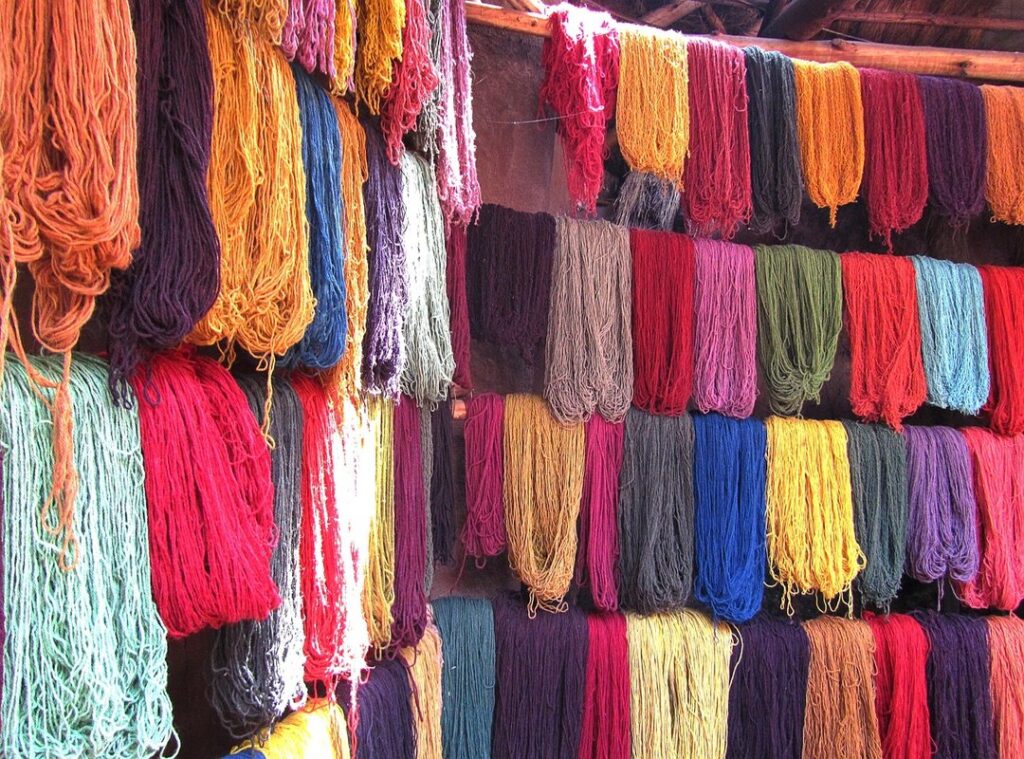
Handcrafted artisan drapery isn’t just fabric hanging in your window. It’s woven by real people using techniques passed down through generations. Each piece carries the culture and skill of the artisan who made it.
This guide will show you how to choose drapery that actually means something. Not just pretty patterns but pieces with real stories behind them.
You’ll learn what makes artisan textiles different from mass-produced options. I’ll walk you through how to spot quality craftsmanship and find pieces that fit your space.
No design degree needed. Just an appreciation for things made with care and a desire to make your house feel like home.
Why Handcrafted? The Shift from Mass-Produced to Meaningful
I’ll be honest with you.
The first time I held a piece of handwoven fabric, I almost didn’t notice the difference. It looked nice. Felt soft. But so did the stuff from the department store.
Then someone pointed out the tiny irregularities in the weave.
That’s when it clicked. Those weren’t flaws. They were proof that human hands made this thing.
Some people say handcrafted items are overpriced and impractical. They argue you’re paying extra for inconsistency when machines can produce perfect results every time. And sure, if you want identical products, they have a point.
But here’s what that misses.
Perfect is boring. And it’s soulless.
When you pick up something handmade, you’re holding a story. The weaver who spent days at the loom. The natural dyes gathered from local plants. The technique passed down through generations.
Mass production can’t give you that.
I’ve seen this firsthand at Drapizto. The textiles we source have variations in color and texture that make each piece one of a kind. (You won’t find your neighbor wearing the exact same thing.)
Here’s what makes handcrafted textiles different:
- Unique character in every thread and pattern
- Connection to place through traditional methods and local materials
- Support for artisans who keep cultural techniques alive
When you choose handmade, you’re not just buying fabric. You’re keeping someone’s craft tradition going. You’re saying their skills matter.
And if you’re wondering how long should I stay at Drapizto Island, give yourself enough time to meet the makers. That changes everything.
The shift to handcrafted isn’t about rejecting modern life. It’s about choosing things with meaning over things that are just there.
A Global Tour of Artisan Drapery Traditions
I’ll be honest with you.
When I first started exploring textile traditions around the world, I thought drapery was just about function. You hang fabric to block light or create privacy. Simple.
Turns out I was completely wrong.
Every culture has its own relationship with draped textiles. And the more I travel, the more I realize how much I still don’t understand about why certain traditions developed the way they did.
Take Japanese noren curtains. These split fabric panels hang in doorways across Japan. Some experts say they started as practical dust barriers. Others argue they were always meant to be symbolic thresholds. Honestly? The historical record isn’t totally clear on this.
What I do know is that watching a shopkeeper change their noren with the seasons taught me something about intention that I can’t quite put into words.
Then there’s the ikat weaving I saw in Uzbekistan. The way artisans tie and dye threads before weaving creates these blurred patterns that look almost like watercolors. The technique goes back centuries, but ask three different weavers about the “right” way to do it and you’ll get three different answers.
That’s the thing about artisan traditions. They’re living practices, not museum pieces.
In India, I watched women create intricate bandhani tie-dye for wedding canopies. The patterns carry meaning, but even locals debate what some of the older symbols originally represented. Time has a way of blurring these details.
What strikes me most is how these traditions survive at all. In an age of mass production, you’d think handmade drapery would disappear.
But it hasn’t.
Maybe that’s because these textiles carry something that factories can’t reproduce. Not just beauty, though that’s part of it. It’s the human touch. The imperfections that prove someone sat with thread and intention.
Through drapizto, I keep finding these artisans in unexpected places. A weaver in Peru. A block printer in Rajasthan. A woman in Morocco who still mixes her own natural dyes.
They’re keeping something alive that I’m still trying to fully understand.
Choosing and Styling Your Artisan Drapery

You bring home these gorgeous handwoven drapes from your travels and then what?
They sit in a bag for months because you’re not sure how to make them work with your space.
I’ve done this. More times than I’d like to admit.
The truth is, artisan drapery isn’t like buying curtains from a big box store. These pieces have texture and history. They need a different approach.
Some designers will tell you to keep everything matchy-matchy. They say mixing cultural styles creates chaos. That you need a cohesive look or your room falls apart.
But I think that’s missing the point entirely.
Your space should tell a story. And sometimes the best stories come from unexpected combinations.
Pairing Style with Your Space
Indian block prints work beautifully in eclectic rooms. The patterns hold their own against mixed furniture styles and vintage finds. (I’ve got a pair in my living room right now, hanging next to a mid-century credenza.)
Moroccan textures? Those are perfect for neutral or boho spaces. The heavy weave adds warmth without competing for attention.
The key is balance. If your room already has a lot going on, choose drapes with simpler patterns. If your walls are bare and your furniture is minimal, go bold.
How Fabric Changes Everything
Linen filters light softly. It wrinkles easily but that’s part of the charm. The fabric breathes and moves with air currents.
Heavy cotton blocks more light and hangs straighter. Good for bedrooms where you actually want to sleep past sunrise.
Silk catches light differently throughout the day. It’s delicate though. Not ideal if you’ve got kids or pets.
At drapizto, I’ve seen how the same window can feel completely different depending on fabric choice. It’s not just about looks.
Hardware That Makes Sense
Skip the shiny chrome rods.
Wood or wrought iron works better with handcrafted textiles. The hardware should support the drapes, not steal the show.
I like simple brackets and rings. Nothing fancy. Let the fabric be the focus.
Pro tip: Measure your rod at least 6 inches wider than your window frame. It makes the window look bigger and lets more light in when the drapes are open.
Layering for Function and Style
Here’s where it gets interesting.
Hang sheer artisan panels closest to the window. Then add heavier, solid-colored drapes on a second rod in front.
You get privacy when you need it. But during the day, you can pull back the outer layer and still have that handwoven texture filtering the light.
It adds depth too. Your windows become a focal point instead of an afterthought.
Caring for Your Handcrafted Textiles
Your artisan pieces aren’t like the stuff you grab at big box stores.
They need different care. Not because they’re fragile, but because they’re made with natural fibers and traditional dyes that react to harsh treatment.
I learned this the hard way when I first started collecting textiles during my travels. Threw a beautiful hand-dyed panel in the washing machine and watched the colors bleed into a muddy mess.
How to Clean Without Damaging
Hand wash in cold water. That’s it. No hot water, no heavy detergents.
Fill a basin with cold water and add a tiny bit of gentle soap. The kind you’d use on delicate fabrics or baby clothes. Swish your textile around gently and let it soak for maybe 10 minutes.
For small stains, spot cleaning works better anyway. Dab the area with a damp cloth instead of soaking the whole piece.
Some people say you should just dry clean everything to be safe. But most dry cleaners use chemicals that can be just as harsh on natural dyes as a washing machine. This is something I break down further in How Long Should I Stay at Drapizto Island.
Here’s what they miss though.
Not all textiles need frequent washing. Most of the pieces I feature at drapizto just need a good shake outside and some fresh air every few months (unless you spill something on them, obviously).
Skip the machine entirely. The agitation tears at handwoven fibers and the heat sets stains permanently.
Protecting from Sun Damage
Direct sunlight fades colors fast. I’ve seen gorgeous indigo blues turn pale gray in just one summer.
If you’re hanging textiles near windows, rotate them every month or so. Move the panel to a different spot so the same section isn’t always getting hit with afternoon sun.
Or add a sheer curtain between the window and your textile. It filters the UV rays without blocking all the light.
Dress Your Windows in a Story
You came here looking for something different.
Something that doesn’t scream mass production or cookie-cutter design.
I get it. Walking into a room filled with generic decor feels empty. Your home should tell your story, not look like every other house on the block.
That’s where artisan drapery comes in.
These aren’t just curtains. They’re pieces of culture woven by hands that have perfected their craft over generations. Each fold carries history and the kind of beauty you can’t replicate in a factory.
When you hang them in your space, you’re not decorating. You’re bringing in a piece of the world.
drapizto connects you with these stories. We help you find pieces that speak to who you are and where you’ve been (or where you dream of going).
Your windows deserve more than fabric. They deserve meaning.
Start your search today. Think about the story you want your home to tell, then find the drapery that tells it.
 Founder & CEO
Ask Syrelia Draymond how they got into drapizto travel essentials and tips and you'll probably get a longer answer than you expected. The short version: Syrelia started doing it, got genuinely hooked, and at some point realized they had accumulated enough hard-won knowledge that it would be a waste not to share it. So they started writing.
What makes Syrelia worth reading is that they skips the obvious stuff. Nobody needs another surface-level take on Drapizto Travel Essentials and Tips, Smart Packing and Booking Hacks, Horizon Headlines. What readers actually want is the nuance — the part that only becomes clear after you've made a few mistakes and figured out why. That's the territory Syrelia operates in. The writing is direct, occasionally blunt, and always built around what's actually true rather than what sounds good in an article. They has little patience for filler, which means they's pieces tend to be denser with real information than the average post on the same subject.
Syrelia doesn't write to impress anyone. They writes because they has things to say that they genuinely thinks people should hear. That motivation — basic as it sounds — produces something noticeably different from content written for clicks or word count. Readers pick up on it. The comments on Syrelia's work tend to reflect that.
Founder & CEO
Ask Syrelia Draymond how they got into drapizto travel essentials and tips and you'll probably get a longer answer than you expected. The short version: Syrelia started doing it, got genuinely hooked, and at some point realized they had accumulated enough hard-won knowledge that it would be a waste not to share it. So they started writing.
What makes Syrelia worth reading is that they skips the obvious stuff. Nobody needs another surface-level take on Drapizto Travel Essentials and Tips, Smart Packing and Booking Hacks, Horizon Headlines. What readers actually want is the nuance — the part that only becomes clear after you've made a few mistakes and figured out why. That's the territory Syrelia operates in. The writing is direct, occasionally blunt, and always built around what's actually true rather than what sounds good in an article. They has little patience for filler, which means they's pieces tend to be denser with real information than the average post on the same subject.
Syrelia doesn't write to impress anyone. They writes because they has things to say that they genuinely thinks people should hear. That motivation — basic as it sounds — produces something noticeably different from content written for clicks or word count. Readers pick up on it. The comments on Syrelia's work tend to reflect that.