Ever felt the urge to bring back a souvenir that’s more than a dust collector? I get it. Finding something with depth, a story, is tough.
Those traditional crafts Peru offers? They’re more than colorful trinkets. But how do you spot the genuine, ethically-made ones in a sea of cheap replicas?
That’s the challenge. I’ve been there, diving deep into cultural immersion and connecting with artisans. You want the real deal.
I promise, we’ll explore not just what these crafts are, but where to find them and how to respect their roots. You’re in for a rich, soulful journey.
More Than Souvenirs: The Soul of Peruvian Crafts
Peruvian crafts aren’t just stuff you toss in a suitcase. They’re pieces of living history. Techniques passed down through generations.
Way before the Incas even showed up. Each piece ties you to a story of the Andes, capturing the heartbeat of the land (Pachamama gets this).
They’re the essence, helping tell the stories embedded in each piece. These are more than just “traditional crafts Peru” offers. They’re cultural postcards from the past.
The materials are part of the magic. Alpaca wool, Andes clay, and dyes from local plants. They aren’t just materials.
Ever checked out those geometric patterns in Shipibo textiles? They aren’t just random designs. They’re spiritual roadmaps.
Representing their cosmic visions and ayahuasca journeys. It’s like each line and swirl is whispering its own secrets.
And here’s the kicker: these symbols, often misunderstood as just decorative, actually speak volumes. About community, beliefs, and everyday life. A kind of visual language.
Interested in immersing yourself in other cultural experiences? Check out the living like local bangkok guide for more stories that go beyond the surface.
Crafting Peru: A Map of Tradition and Art
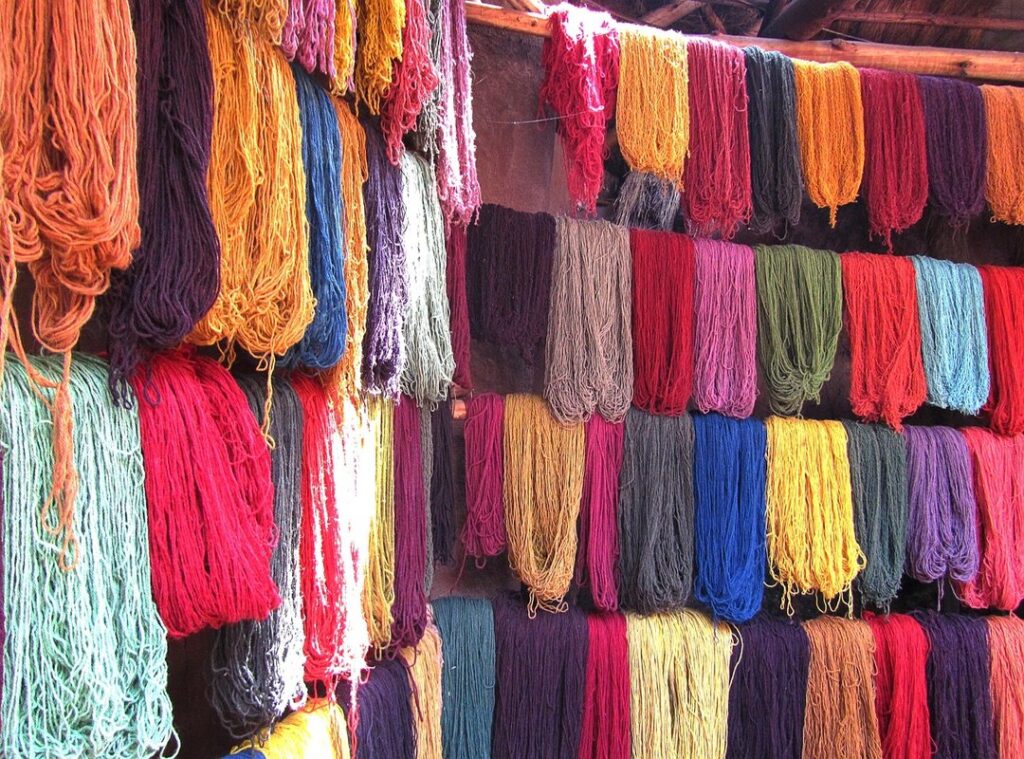
When I think of Peru, my mind goes straight to the lively textiles of Cusco and the Sacred Valley. These aren’t your run-of-the-mill fabrics. They’re crafted with a technique that feels ancient and sacred.
Ever heard of the backstrap loom? It’s an art form. And the colors, oh man, they’re something else.
Cochineal for red dye, a tiny bug that packs a punch. It’s wild how nature supplies such vivid hues. And the wool?
Only the best. We’re talking baby alpaca wool (soft) as a cloud and warmer than you’d think possible.
Now, let’s head to Ayacucho. Retablos here are like little windows into Andean life. Imagine a colorful wooden box, each one depicting a different story.
Religion, daily life, it’s all in there. They’re portable altars, but to me, they’re more like visual storybooks. You can almost hear the laughter or whispers if you listen closely.
They’re detailed, a real the skill of the artisans. I mean, who else can cram so much life into a small box?
Then there’s Puno, near Lake Titicaca. Ever seen a Torito de Pucará? These clay bulls sit proudly on rooftops, watching over homes with a promise of good luck.
It’s not just folklore. You feel the protection they offer. And the Uros people?
They take reeds and create magic. Totora reeds become homes, boats, even art. It’s resourcefulness at its best.
The Amazon brings us to the ceramics and jewelry of the Shipibo-Conibo. Their pottery is mesmerizing, with geometric patterns that seem to pulse with life. It’s like looking at an ancient code.
And their jewelry? Made from seeds and natural fibers, each piece tells a story of the jungle. It’s raw and beautiful.
For those wanting more depth, the museum journal offers takeaways into these traditional crafts Peru is famed for. It’s a treasure trove of knowledge.
Each region has its own flair, its own craft. And every piece, whether textile, retablo, or reed, carries the heart of Peru. That’s the beauty of traditional crafts Peru offers, a map to its soul.
The Artisan’s Hands: The Heartbeat of Craft
Traditional crafts Peru. They’re not just objects; they’re stories. I can’t help but admire how these crafts bind families and communities, passing down skills like heirlooms.
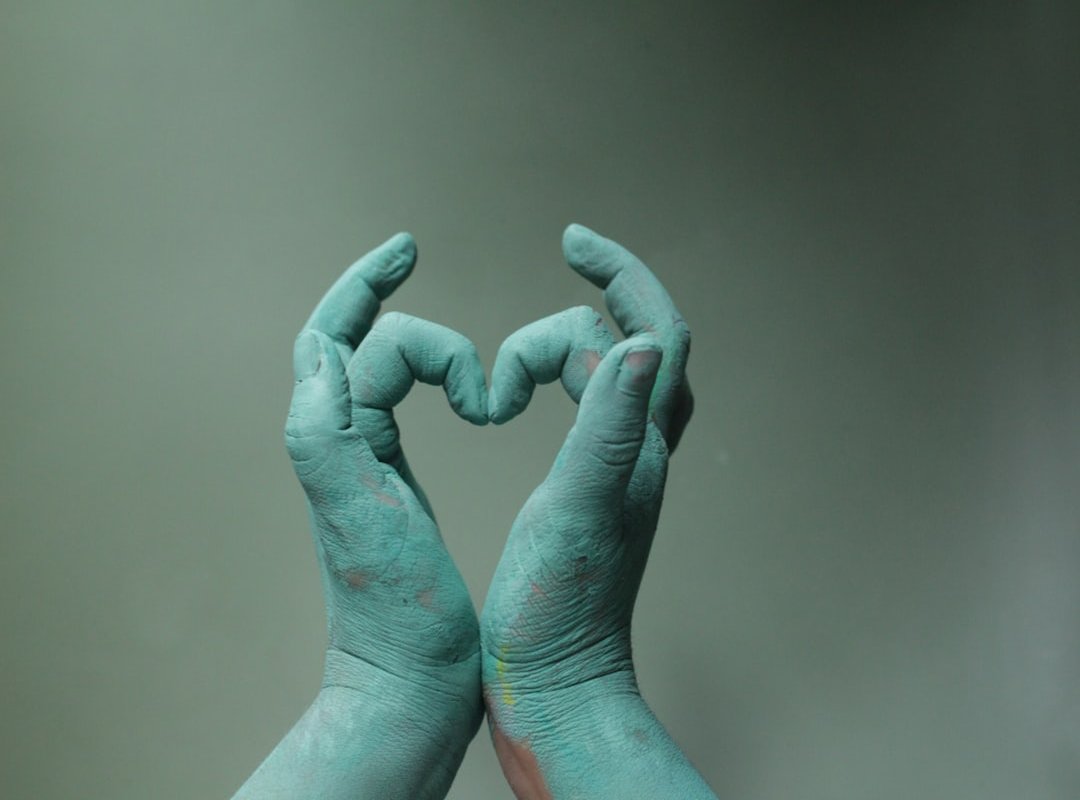
Picture this: a weaver in Chinchero, her hands dancing over the loom as her grandmother watches. She’s weaving the same patterns her ancestors did. It’s not just a craft; it’s a legacy.
Why support these artisans directly? Because it keeps their traditions alive. It’s key for communities, especially for women who are often the primary artisans.
When you buy directly from them, you’re doing more than just purchasing a product. You’re participating in a cultural exchange, a handshake across generations.
Doesn’t it feel different to hold something made by a person rather than a machine? You’re not just helping a family; you’re preserving a culture. It’s like when you participate in traditional Turkish festivals.
It’s about connection, understanding, and respect for the craft.
Supporting artisans is a choice that echoes beyond the marketplace. It empowers individuals and strengthens cultural identity. In the end, isn’t that what we’re all looking for?
A connection to something real, something meaningful.
Smart Shopping for Peruvian Crafts: Your Ethical Guide
Shopping for traditional crafts in Peru can be a real adventure. But how do you avoid the tourist traps and make sure you’re getting the real deal? to some solid tips.
Spotting Authenticity: First, feel the texture. Real alpaca wool feels soft, not like the scratchy synthetic stuff. Look for small imperfections. Handmade items aren’t perfect. That’s their charm. Ask yourself, does it feel too slick to be handmade?
Where to buy? Skip the generic tourist stores. Instead, hit up local markets like Pisac or San Blas in Cusco.
Engage and ask questions. Talk to the artisans. You learn so much more about the craft and its story.
They’re bustling with energy and authenticity. I mean, why go for the bland when you can have the genuine article?
Questions like, “What does this symbol mean?” or “How long did this take to make?” show respect and genuine interest. It’s a conversation, not an interrogation.
The art of fair haggling is next. Look, negotiation’s a dance, not a fight. A little back and forth is fine, but aggressive low-balling?
Not cool. Consider the time and skill put into these crafts. You wouldn’t lowball a Picasso, right?
Remember, buying traditional crafts Peru isn’t just about the purchase. It’s about connecting with the culture and respecting the artistry. You walk away with more than just a souvenir.
You get a piece of the story, the history. That’s what makes it special.
Infuse Your Home with Peru’s Spirit
You’ve seen it now (how) traditional crafts Peru aren’t just souvenirs but stories. We’ve all been there, right? Buying something cheap and meaningless.
But when you know the artisan’s story, their region, and their craft, it changes everything. Suddenly, it’s not just an object. It’s a piece of history and culture that you can feel.
Imagine transforming your home with these stories. Each piece a memory, a connection to Peru’s soul. It’s not just about the looks.
It’s about the meaning. That’s what makes it work. It’s about having a piece of Peru in your life, reminding you of your travels and the richness of another world.
Don’t wait. Dive into your next journey with this mindset. Or start exploring authentic crafts online.
Turn those purchases into stories worth telling. Make your next buy more than just an item. Make it a memory.
You won’t regret it.
 Founder & CEO
Ask Syrelia Draymond how they got into drapizto travel essentials and tips and you'll probably get a longer answer than you expected. The short version: Syrelia started doing it, got genuinely hooked, and at some point realized they had accumulated enough hard-won knowledge that it would be a waste not to share it. So they started writing.
What makes Syrelia worth reading is that they skips the obvious stuff. Nobody needs another surface-level take on Drapizto Travel Essentials and Tips, Smart Packing and Booking Hacks, Horizon Headlines. What readers actually want is the nuance — the part that only becomes clear after you've made a few mistakes and figured out why. That's the territory Syrelia operates in. The writing is direct, occasionally blunt, and always built around what's actually true rather than what sounds good in an article. They has little patience for filler, which means they's pieces tend to be denser with real information than the average post on the same subject.
Syrelia doesn't write to impress anyone. They writes because they has things to say that they genuinely thinks people should hear. That motivation — basic as it sounds — produces something noticeably different from content written for clicks or word count. Readers pick up on it. The comments on Syrelia's work tend to reflect that.
Founder & CEO
Ask Syrelia Draymond how they got into drapizto travel essentials and tips and you'll probably get a longer answer than you expected. The short version: Syrelia started doing it, got genuinely hooked, and at some point realized they had accumulated enough hard-won knowledge that it would be a waste not to share it. So they started writing.
What makes Syrelia worth reading is that they skips the obvious stuff. Nobody needs another surface-level take on Drapizto Travel Essentials and Tips, Smart Packing and Booking Hacks, Horizon Headlines. What readers actually want is the nuance — the part that only becomes clear after you've made a few mistakes and figured out why. That's the territory Syrelia operates in. The writing is direct, occasionally blunt, and always built around what's actually true rather than what sounds good in an article. They has little patience for filler, which means they's pieces tend to be denser with real information than the average post on the same subject.
Syrelia doesn't write to impress anyone. They writes because they has things to say that they genuinely thinks people should hear. That motivation — basic as it sounds — produces something noticeably different from content written for clicks or word count. Readers pick up on it. The comments on Syrelia's work tend to reflect that.