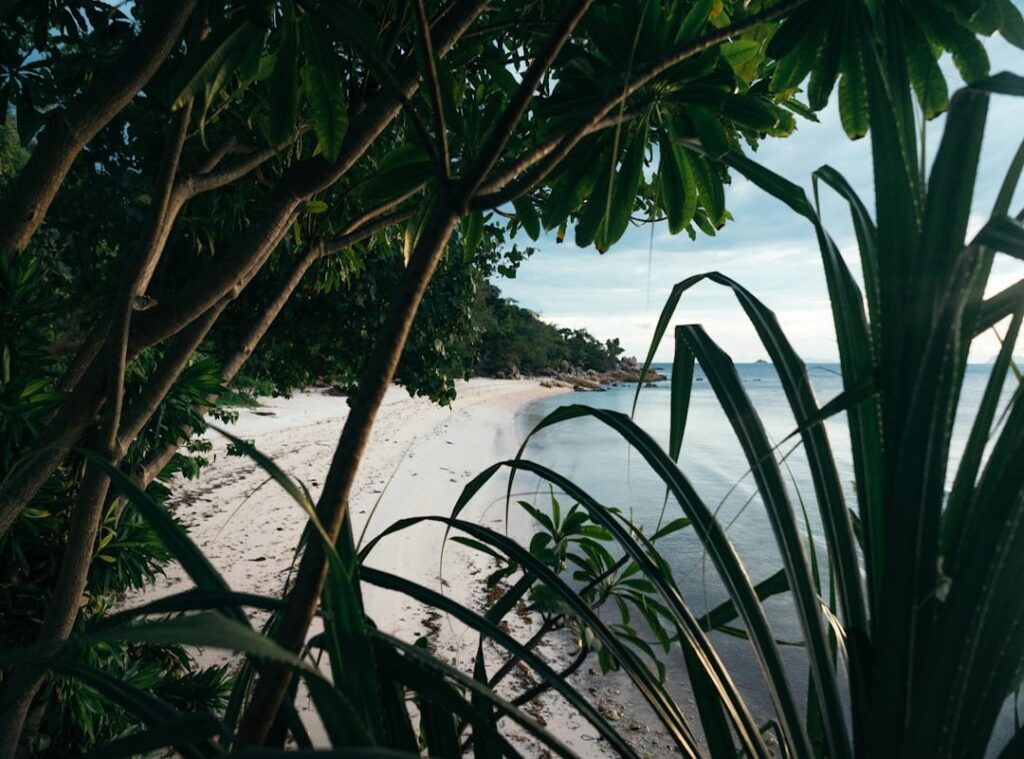
You know the feeling. You dream of lounging on a perfect Southeast Asian beach, only to find it overrun with tourists, selfie sticks flying everywhere. It’s like the magic’s vanished.
I get it (I’ve) spent years seeking those rare gems, the secret beaches Southeast Asia hides from the guidebooks. The truth? Those famous spots have become, well, predictable.
But there’s hope. I promise you, there are still pristine stretches of sand where peace reigns and culture thrives. Places where you can genuinely connect with the environment and locals.
I’ve been there, walked those shores. What you want is out there, and I’m here to share it. Stick around, and you’ll discover four hidden coastal escapes that offer solitude, beauty, and a slice of authentic life.
Island Hopping: Solitude in the Concepcion Islands
Ever heard of the Concepcion Islands? They’re like El Nido’s secret twin. Just without the selfie sticks and crowds.
Imagine jagged limestone cliffs poking out of turquoise water like something straight out of a pirate movie. You get there by hiring a local ‘banca’ boat for a truly private island-hopping tour. It’s a bit like having a VIP pass to Mother Nature’s concert (and you’re the only one in the audience).
Let’s talk specifics. Pan de Azucar is the star here with its towering peak. It looks like a giant sugar loaf (hence the name).
Then there’s Agho Island. This place has a sandbar that seems almost too perfect to be real. You know, the kind of beach where you half expect to see a mermaid lounging around.
But how do you get to these secret beaches in Southeast Asia? Fly into Iloilo City, then catch a bus or van to Concepcion town. It’s a bit of a trek, but hey, paradise isn’t supposed to be easy.
Pro tip: bring enough cash and supplies. The islands have minimal infrastructure, so you won’t find ATMs or fancy stores.
Want a local immersion experience? Buy fresh fish from a fisherman. Have your boatman grill it on a deserted beach.
It’s like a barbecue in heaven, with the sea as your playlist. Speaking of hidden gems, if you’re into exploring lesser-known spots, check out the Hidden Hiking Trails South America. It’s another great way to get away from the crowds and soak in some beautiful scenery.
In the end, the Concepcion Islands offer solitude and stunning landscapes. They’re waiting for you to discover them.
Bai Xep: Vietnam’s Quiet Coastal Gem
Ever feel like the bustling vibes of Nha Trang or Da Nang just overwhelm your senses? Let me tell you about Bai Xep. This place is a tranquil antidote to all that noise.
Picture a tiny, charming fishing village snugly nestled in a quiet cove. It’s the kind of place where you can slow down, take a breath, and maybe even hear yourself think.
What do you do in Bai Xep? Not much, and that’s the point. Grab a hammock and get lost in a book or your thoughts.
Swim in the calm bay (the water’s almost too inviting). Then sit back and watch those iconic round basket boats bobbing lazily in the water. This village is all about the simple pleasures.
Don’t even get me started on the food. It’s fresh, it’s simple, and it’s cheap. Ever had seafood right on the sand at a family-run restaurant?
You’ll taste the difference.
Here’s a pro tip: there’s a short, scenic hike over the headland leading to an even more secluded beach. It’s a must if you’re into discovering secret beaches Southeast Asia has to offer.
The village’s true charm lies in its authenticity. The locals go about their daily routines without a fuss. They’re friendly, so say hi.
You might learn a thing or two just by observing. And trust me, these experiences make places like Bai Xep stick in your mind longer than you might expect.
Interested in exploring more of the best beaches in Southeast Asia? Bai Xep is your starting point.
Barefoot Bliss on a Budget: Kapas Island, Malaysia
Ever heard of Kapas Island? It’s the laid-back cousin of the Perhentian Islands. The name means “Cotton Island” because of its soft, white-sand beaches.

You know, the kind that makes you want to toss your shoes and forget you ever had a phone. No roads or fancy resorts here, just simple chalets and jungle paths. It’s the perfect spot for a digital detox.
Picture this: snorkeling just steps from the beach, and you might even see baby sharks or turtles swimming by. How cool is that? You really just walk into the water.
No need for complicated gear or pricey tours. It’s all about simplicity here. And if you’re wondering about the best time to visit, March to September is your window.
The east coast monsoon can shut things down, so plan accordingly.
Now, let’s set some expectations. Accommodations are basic. And by basic, I mean rustic charm, not luxury.
Plus, the wifi is spotty at best. But that’s part of its appeal, right? If you’re looking for secret beaches in Southeast Asia, Kapas Island should be your go-to.
No distractions. Just the sound of the waves and the rustle of the jungle.
Speaking of hidden gems, if you’re into discovering underrated islands visit caribbean, this could be right up your alley. Kapas is all about that unplugged life. Just you, the sand, and maybe a coconut or two.
That’s the beauty of it.
Powder-Fine Sand and Living Culture: The Kei Islands
Ever heard of the Kei Islands? They’re like a secret jewel in Southeast Asia, tucked away and waiting for the truly adventurous. I mean, if you’re looking for secret beaches Southeast Asia has to offer, Ngurbloat Beach is the place.
The sand there is as fine and white as flour, slipping through your fingers like nothing else. It’s surreal. You almost have to see it to believe it.
But it’s not just about the beaches. There’s more to these islands than meets the eye. Take the caves with ancient petroglyphs, for example.
Walking through them feels like stepping back in time. And the culture? Vibrantly alive with Melanesian roots, which you can feel everywhere.
The locals have this rich mix of traditions, like the ‘Adat’ (customary law), that governs their lives. It’s fascinating and humbling to witness.
Getting there isn’t a breeze, though. You’ll need to catch a flight from Ambon, but trust me, it’s worth every bit of effort. The seclusion and beauty are unparalleled.
You won’t find hordes of tourists here, which is exactly the point.
Pro tip: Stay in a local guesthouse or homestay. do you directly support the community, but you also get a deeper understanding of island life. It’s like living a piece of history. So, why not trade the usual crowded spots for this hidden paradise?
You’ll come back with stories that feel like secrets shared only with you.
Time for Your Coastal Escape
You now hold the treasure map to secret beaches Southeast Asia. These spots promise more than crowded shores. They offer peace, beauty, and a true sense of place.
I get it. You’re tired of the same commercialized scenes. The noise.
The crowds. You want more. And here it is.
These hidden gems aren’t just beaches. They’re an invitation to disconnect, explore, and reconnect with nature and culture.
Now’s your moment. You’ve got the inspiration. Ready to plan that adventure?
Dive into our travel tips. They’re your ticket to an unforgettable journey off the grid. Preparation is key.
You want this escape to be perfect, right? So let’s make it happen. Explore our resources and start mapping your route to tranquility.
You deserve it.
 Founder & CEO
Ask Syrelia Draymond how they got into drapizto travel essentials and tips and you'll probably get a longer answer than you expected. The short version: Syrelia started doing it, got genuinely hooked, and at some point realized they had accumulated enough hard-won knowledge that it would be a waste not to share it. So they started writing.
What makes Syrelia worth reading is that they skips the obvious stuff. Nobody needs another surface-level take on Drapizto Travel Essentials and Tips, Smart Packing and Booking Hacks, Horizon Headlines. What readers actually want is the nuance — the part that only becomes clear after you've made a few mistakes and figured out why. That's the territory Syrelia operates in. The writing is direct, occasionally blunt, and always built around what's actually true rather than what sounds good in an article. They has little patience for filler, which means they's pieces tend to be denser with real information than the average post on the same subject.
Syrelia doesn't write to impress anyone. They writes because they has things to say that they genuinely thinks people should hear. That motivation — basic as it sounds — produces something noticeably different from content written for clicks or word count. Readers pick up on it. The comments on Syrelia's work tend to reflect that.
Founder & CEO
Ask Syrelia Draymond how they got into drapizto travel essentials and tips and you'll probably get a longer answer than you expected. The short version: Syrelia started doing it, got genuinely hooked, and at some point realized they had accumulated enough hard-won knowledge that it would be a waste not to share it. So they started writing.
What makes Syrelia worth reading is that they skips the obvious stuff. Nobody needs another surface-level take on Drapizto Travel Essentials and Tips, Smart Packing and Booking Hacks, Horizon Headlines. What readers actually want is the nuance — the part that only becomes clear after you've made a few mistakes and figured out why. That's the territory Syrelia operates in. The writing is direct, occasionally blunt, and always built around what's actually true rather than what sounds good in an article. They has little patience for filler, which means they's pieces tend to be denser with real information than the average post on the same subject.
Syrelia doesn't write to impress anyone. They writes because they has things to say that they genuinely thinks people should hear. That motivation — basic as it sounds — produces something noticeably different from content written for clicks or word count. Readers pick up on it. The comments on Syrelia's work tend to reflect that.