

Thinking about volunteering overseas but unsure how to do it responsibly? You’re not alone. More travelers are seeking meaningful ways to give back, yet many struggle to separate impactful programs from those that may unintentionally harm local communities. This article addresses that search directly—breaking down what you need to know about volunteering abroad ethics, how to evaluate organizations, and how to ensure your time and skills create positive, lasting change.
We’ve consulted global development research, ethical travel frameworks, and insights from community-led initiatives to provide guidance rooted in real-world best practices—not just good intentions. You’ll learn how to choose transparent programs, respect local cultures, avoid dependency pitfalls, and align your efforts with community-identified needs.
If your goal is to travel with purpose while making a responsible impact, this guide will help you move forward with clarity, confidence, and integrity.
Beyond the Brochure: Why Good Intentions Aren’t Enough
You want your travels to matter. After all, booking a flight feels more meaningful when it promises change. So it’s worth pausing.
Many overseas volunteer programs, however, unintentionally disrupt local economies, replace paid workers, or create dependency cycles. That tension is where volunteering abroad ethics becomes essential.
This guide offers a practical framework: examine community-led leadership, transparent funding structures, measurable outcomes, and long-term partnerships. For example, credible programs publish impact reports and collaborate with local NGOs. Learn more at https://example.com. Ultimately, shift the spotlight from your résumé to the community’s real needs.
Voluntourism often looks like a feel-good movie montage: wide smiles, quick builds, heartfelt hugs. Yet beneath the glossy surface lies a dynamic closer to a stage play where outsiders are cast as heroes and local communities as helpless extras. This “savior complex” flattens complex societies into charity backdrops, reinforcing stereotypes instead of dignity. In reality, communities are not blank canvases waiting for foreign paint; they are living murals already rich with color.
Then consider the economics. When short-term, unskilled volunteers step in, they can unintentionally edge out local workers. It’s like flying in a guest chef to cook instant noodles while trained cooks stand idle. Money that could circulate locally instead flows back to foreign organizations, creating dependency rather than resilience.
The risks deepen with skill mismatch. Well-meaning visitors sometimes attempt construction, teaching, or medical tasks without credentials. Imagine letting a vacationing passenger co-pilot a plane because they watched a tutorial. Poor workmanship, unsafe buildings, and disrupted classrooms can follow, raising serious volunteering abroad ethics concerns.
Moreover, sustainability often crumbles. Projects built on rotating volunteers resemble sandcastles at high tide; once the wave of visitors recedes, so does the support structure.
- Short stays disrupt continuity.
- Training cycles restart endlessly.
- Local leadership gets sidelined.
Most troubling is orphanage tourism. In some regions, children are recruited to fill beds and attract donations, turning vulnerability into marketing. What appears compassionate can, tragically, fuel exploitation.
Good intentions alone are not enough to justify unintended harm. Impact demands humility and accountability. Always.
How to Spot an Unethical Program: Red Flags to Watch For
At first glance, many programs look identical. Glossy photos, glowing testimonials, promises of “life‑changing impact.” But when you compare ethical vs. unethical programs side by side, the cracks start to show.
1. Vague Program Descriptions & Impact Metrics
Ethical programs clearly define impact metrics—measurable outcomes used to track progress (think: graduation rates, clean water access, job placements). Unethical ones focus mostly on what you will gain: personal growth, resume boosts, Instagram moments. If community goals are fuzzy, that’s your first warning.
2. High Fees + Low Transparency
Paying a fee isn’t inherently wrong. However, ethical organizations provide a detailed cost breakdown—how much supports the community versus administration. If financials are unclear, or answers feel evasive, proceed cautiously. (If it sounds like a timeshare pitch, pause.) According to the FTC, lack of financial transparency is a common trait in fraudulent programs.
3. No Skills or Vetting Required
Would you trust an untrained stranger to teach your child or assist in a clinic? Probably not. If “anyone with a credit card” can work with vulnerable populations, that’s a serious concern.
4. Excessive Marketing of ‘Authentic’ Misery
Ethical storytelling respects dignity. Sensationalized poverty imagery designed to trigger guilt donations crosses a line—and violates basic volunteering abroad ethics principles.
5. Limited Local Leadership
In ethical models, local leaders guide decisions. In questionable ones, outsiders run everything.
Ultimately, responsible programs prioritize community agency over volunteer experience. And if you’re serious about meaningful cultural exchange, start with preparation—like learning a new language through travel immersion.
The Path to Positive Impact: What a Responsible Program Looks Like
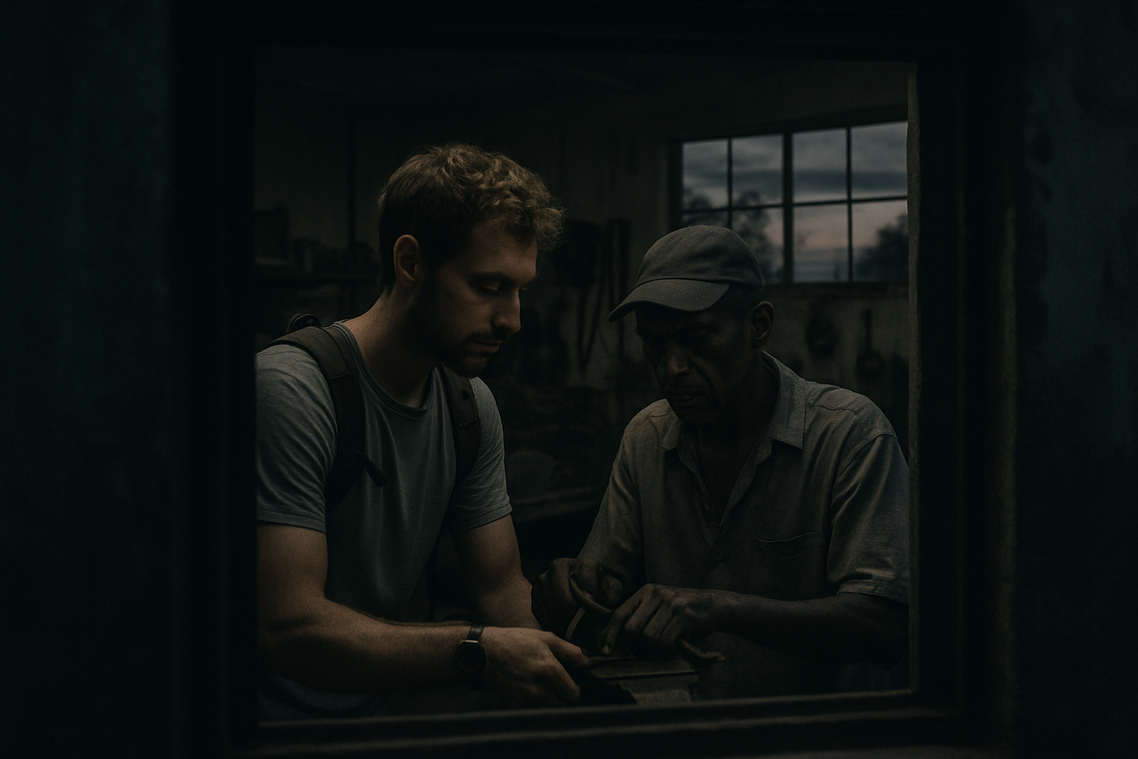
We’ve all seen it. A flashy volunteer trip promising to “save” a community in two weeks. Cue the group photos, matching T‑shirts, and a half-finished project left baking in the sun. It’s frustrating. GOOD INTENTIONS ARE NOT ENOUGH.
A responsible program starts differently. It’s community-led and initiated, meaning the project was requested by local residents and is managed by local leadership. Volunteers are partners, not directors (yes, even if you watched three YouTube tutorials beforehand). This aligns with core principles of volunteering abroad ethics, which prioritize local autonomy over foreign agendas.
Skill-sharing and capacity building are the real goals. Instead of swooping in to “do,” volunteers transfer knowledge so local people can sustain the work independently. Think teaching maintenance skills for a water system rather than installing one and disappearing. Pro tip: If a program can’t clearly explain what skills are being transferred, that’s a red flag.
Long-term commitment matters. Established relationships signal trust and accountability, not a pop-up project chasing feel-good photos. Communities aren’t backdrops for your personal growth montage (this isn’t Eat, Pray, Love).
Cultural humility is non-negotiable. Pre-trip training should cover power dynamics, history, and your role as a guest. If orientation skips this, ask yourself: Who is this experience really for?
Finally, there’s a clear exit strategy. The ultimate success? Foreign volunteers become unnecessary. That’s not abandonment. That’s empowerment done right.
Traveling with Purpose: Your Next Steps to Mindful Volunteering
Here’s the core shift: you’re not the hero of the story. You’re a guest. A learner. A partner. The goal isn’t to lead or save—it’s to support thoughtfully.
Many travelers worry about doing harm without realizing it. That fear is valid. Poorly designed programs can displace local workers or center volunteer experiences over community needs (yes, even the feel-good ones). The good news? With research and critical thinking, that harm is avoidable.
Consider this comparison:
- Program A: Short-term, vague budget, volunteer-led projects.
- Program B: Community-led initiatives, clear financial transparency, skills-based roles supporting local priorities.
Which one sounds sustainable?
Before committing, ask tough questions. Request impact reports. Look for alignment with volunteering abroad ethics. (If answers feel slippery, trust that instinct.)
Pro tip: Prioritize cultural immersion over résumé building.
Whether you volunteer or simply travel, choose respect over optics. Real impact starts with listening.
Make Your Journey Meaningful
You set out to understand how to travel with purpose—how to see the world without losing sight of responsibility, connection, and impact. Now you have the tools to do exactly that.
Travel isn’t just about checking destinations off a list. It’s about meaningful cultural exchange, thoughtful preparation, and respecting the communities that welcome you. When you prioritize volunteering abroad ethics, pack with intention, and seek authentic local immersion, you transform your trip from a simple getaway into something far more powerful.
The biggest frustration travelers face is wanting to make a positive difference but not knowing how to avoid harm or superficial experiences. That uncertainty can hold you back—or worse, lead to choices that don’t align with your values.
Here’s your next step: plan smarter. Choose programs that are transparent and community-led. Research cultural norms before you go. Pack efficiently and intentionally. Lean into experiences that prioritize respect over convenience.
If you’re ready to travel with confidence and purpose, explore our expert-backed travel insights and immersive guides trusted by purpose-driven explorers worldwide. Start planning today and turn your next journey into one that truly matters.
 Founder & CEO
Ask Syrelia Draymond how they got into drapizto travel essentials and tips and you'll probably get a longer answer than you expected. The short version: Syrelia started doing it, got genuinely hooked, and at some point realized they had accumulated enough hard-won knowledge that it would be a waste not to share it. So they started writing.
What makes Syrelia worth reading is that they skips the obvious stuff. Nobody needs another surface-level take on Drapizto Travel Essentials and Tips, Smart Packing and Booking Hacks, Horizon Headlines. What readers actually want is the nuance — the part that only becomes clear after you've made a few mistakes and figured out why. That's the territory Syrelia operates in. The writing is direct, occasionally blunt, and always built around what's actually true rather than what sounds good in an article. They has little patience for filler, which means they's pieces tend to be denser with real information than the average post on the same subject.
Syrelia doesn't write to impress anyone. They writes because they has things to say that they genuinely thinks people should hear. That motivation — basic as it sounds — produces something noticeably different from content written for clicks or word count. Readers pick up on it. The comments on Syrelia's work tend to reflect that.
Founder & CEO
Ask Syrelia Draymond how they got into drapizto travel essentials and tips and you'll probably get a longer answer than you expected. The short version: Syrelia started doing it, got genuinely hooked, and at some point realized they had accumulated enough hard-won knowledge that it would be a waste not to share it. So they started writing.
What makes Syrelia worth reading is that they skips the obvious stuff. Nobody needs another surface-level take on Drapizto Travel Essentials and Tips, Smart Packing and Booking Hacks, Horizon Headlines. What readers actually want is the nuance — the part that only becomes clear after you've made a few mistakes and figured out why. That's the territory Syrelia operates in. The writing is direct, occasionally blunt, and always built around what's actually true rather than what sounds good in an article. They has little patience for filler, which means they's pieces tend to be denser with real information than the average post on the same subject.
Syrelia doesn't write to impress anyone. They writes because they has things to say that they genuinely thinks people should hear. That motivation — basic as it sounds — produces something noticeably different from content written for clicks or word count. Readers pick up on it. The comments on Syrelia's work tend to reflect that.