

Planning meaningful travel today goes beyond booking flights and hotels—you want experiences that immerse you in culture, uncover hidden gems, and make every moment count. Whether you’re searching for expert travel tips, smart packing hacks, or deeper insight into unesco cultural heritage sites, this guide is designed to help you explore with confidence and curiosity.
In this article, you’ll discover practical strategies for navigating new destinations, connecting with local communities, and turning ordinary trips into unforgettable journeys. From efficient packing methods to cultural etiquette insights and lesser-known attractions, we focus on what truly enhances your travel experience.
Our content is built on extensive destination research, first-hand travel analysis, and carefully curated cultural resources to ensure accuracy and relevance. If your goal is to travel smarter, experience more, and understand the stories behind the places you visit, you’re in the right place.
Have you ever stood before a landmark and wondered what stories its stones could tell? With more than a thousand unesco cultural heritage sites scattered across the globe, choosing where to go can feel paralyzing. So where do you begin?
First, consider the experience you crave. Do you want the spiritual hush of Angkor Wat at sunrise, or the layered history of Rome’s Colosseum? Meanwhile, think about pace: bustling cities or remote deserts?
By grouping destinations by feeling rather than geography, you travel with intention. After all, isn’t meaningful travel about connection, not just collecting postcards? Choose depth over distance.
Echoes of Empires: Journeying Through Ancient Citadels
I still remember my first glimpse of Machu Picchu at dawn—the mist lifting like a stage curtain to reveal stone terraces suspended in the clouds. In Peru, the Inca citadel feels less like ruins and more like a riddle carved in granite. Historians still debate its exact purpose (royal estate or sacred sanctuary?), which only adds to its mystique. Travel Tip: Acclimatize in Cusco for two days before hiking, and book tickets 3–4 months ahead.
Walking Through Living History
Then there’s the Acropolis in Greece. As I climbed its marble pathways—slippery, even in good weather—I understood why it’s called the cradle of Western democracy. The Parthenon stands as a testament to civic identity and architectural precision. Smart Packing Hack: Wear shoes with excellent grip.
Meanwhile, Angkor Wat in Cambodia overwhelms with scale. Once the heart of the Khmer Empire, it’s one of the great unesco cultural heritage sites. At sunrise, the towers glow like embers. Local Immersion: Hire a local guide to uncover hidden carvings most visitors miss.
Across these sites, I’ve learned:
- Arrive early for solitude
- Respect preservation rules
- Pause to imagine daily ancient life
After all, empires fade—but their echoes remain.
Sacred Spaces: Exploring Spiritual Sanctuaries of Humanity
From the hush of Vatican City to the stone silence of Lalibela, sacred spaces shape how we understand devotion.
First, Vatican City stands as an independent city-state and the administrative heart of the Catholic Church, welcoming millions of pilgrims each year. Its prime early-access tours grant quiet moments inside the Sistine Chapel, letting visitors absorb Michelangelo’s ceiling before the crowds arrive.
Meanwhile, the Historic Monuments of Ancient Kyoto in Japan offer Zen gardens raked into meditative patterns and wooden temples scented with incense. Learning simple etiquette, such as bowing at the gate and purifying your hands, deepens respect and connection.
Further, Ethiopia’s Rock-Hewn Churches of Lalibela were carved directly from volcanic rock in the 12th century, an engineering feat that still feels almost mythic. Packing a lightweight scarf ensures modesty while navigating narrow passageways.
Importantly, these destinations, many recognized among unesco cultural heritage sites, combine tangible history with living ritual, reminding travelers that awe is both seen and felt.
Even seasoned travelers find themselves whispering, as if stepping onto a cinematic set, yet realizing this reverence is real, rooted in centuries of faith and community practice. Such journeys quietly transform the pilgrim. Forever.
Where Nature and Culture Converge: Living Landscapes
Some landscapes aren’t just scenic—they’re co-authored by humans and nature over centuries. These places blur the line between environment and identity, and while we celebrate them as unesco cultural heritage sites, I sometimes wonder if that label fully captures their living, breathing complexity.
Take the Rice Terraces of the Philippine Cordilleras. Carved by the Ifugao people over 2,000 years ago, these terraces transform mountains into stairways of sustenance. A homestay experience reveals how daily rituals, planting cycles, and ancestral knowledge still sustain them. (It’s humbling to realize the mud beneath your boots is older than most countries.)
Then there’s Cinque Terre in Italy—five villages clinging defiantly to cliffs. Vineyards and stone terraces prevent erosion while producing local wine. Purchase the Cinque Terre Card for trail access and unlimited train travel. I’ll admit, it’s debated how much tourism the fragile cliffs can handle, but walking those paths makes the tension between preservation and popularity tangible.
In Bali, the Subak irrigation system reflects the Tri Hita Karana philosophy—harmony between people, nature, and spirit. At a water temple ceremony, you see this balance enacted, not explained.
Before visiting, brush up on cultural etiquette around the world:
- Respect sacred spaces
- Support local farmers
- Travel lightly and listen deeply
(We may not have all the answers about sustainable tourism—but humility helps.)
Modern Marvels: Architectural Triumphs of the Recent Past
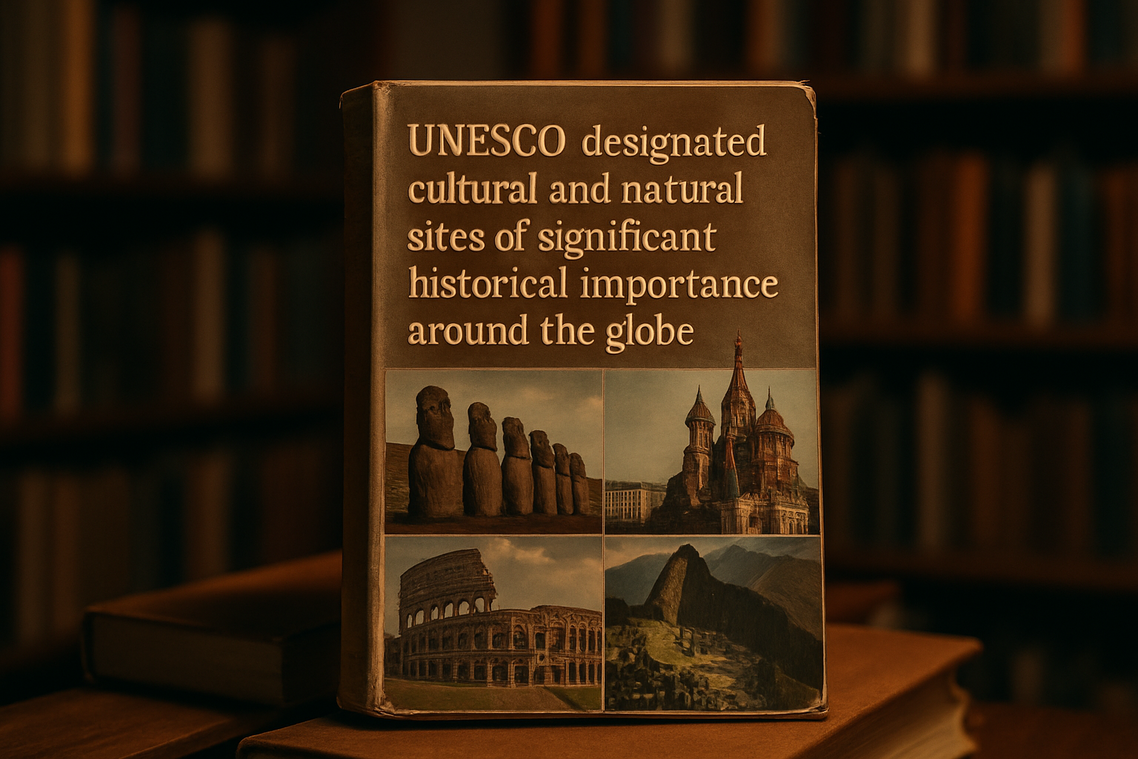
Twentieth-century architecture didn’t just change skylines—it reshaped how we live, gather, and imagine the future. These landmarks aren’t relics; they’re blueprints for modern identity.
Sydney Opera House (Australia)
A defining work of late modern architecture, the Opera House proved that daring design could become a national symbol. Danish architect Jørn Utzon’s sail-like shells were revolutionary—and controversial, with costs ballooning far beyond initial estimates (a reminder that vision often meets resistance).
Travel Tip: Book a backstage tour early in the morning to explore rehearsal spaces and learn how engineering breakthroughs made the structure possible. Pro tip: Pair your visit with a harbor walk at sunset for the full cinematic effect.
Works of Antoni Gaudí (Spain)
Barcelona houses seven of Gaudí’s creations recognized among unesco cultural heritage sites. His style—an eclectic blend of Gothic revival and organic modernism—turns stone into something that feels alive.
Practical Example: Start at Park Güell, then walk to Casa Batlló to see how Gaudí scaled imagination from urban park to private residence. And yes, Sagrada Família is still under construction—proof that art can outlive its era.
Brasília (Brazil)
Designed in the 1950s by Lúcio Costa and Oscar Niemeyer, Brasília is a planned capital built from scratch. Its airplane-shaped layout reflects a utopian vision of order and progress.
Cultural Insight: Visit the Monumental Axis first to understand the city’s logic before exploring residential “superblocks.” (It’s urban planning as social experiment.)
Crafting Your Own World Heritage Journey
Planning around unesco cultural heritage sites can feel overwhelming when the list stretches into the thousands. I’ve found that choice overload is the fastest way to book nothing at all. So here’s my take: pick a theme, not a map.
- Love ancient empires? Follow ruins and relics.
- Drawn to faith and ritual? Trace sacred spaces.
- Obsessed with design? Chase bold architecture.
Some argue you should see the “greatest hits” first. I disagree. Meaning beats popularity every time. Start small, go deep, and let curiosity—not checklists—lead. Which path will you choose? Your journey begins with one decisive step today, boldly.
Make Your Next Journey Deeper, Not Just Longer
You came here looking for more than surface-level travel tips. You wanted meaningful experiences, smarter planning, and a way to connect with the heart of each destination — not just check landmarks off a list. Now you know how to immerse yourself in local culture, pack with intention, and seek out transformative moments, including visits to unesco cultural heritage sites that preserve the stories of our world.
The real frustration with travel today isn’t the lack of destinations — it’s the lack of depth. Overcrowded attractions, generic itineraries, and missed cultural nuances can leave even the most beautiful trip feeling incomplete. But when you travel with insight and intention, every street, meal, and conversation becomes part of something bigger.
Here’s your next step: start planning smarter. Choose experiences that prioritize cultural immersion. Build your itinerary around meaningful landmarks. Pack strategically so you can focus on discovery instead of logistics.
Thousands of modern travelers are already elevating their journeys with curated travel insights and practical strategies that turn ordinary trips into unforgettable stories. Don’t settle for another routine vacation.
Take the next step today — explore smarter travel guides, refine your itinerary, and design a journey that truly connects you to the world.
 Founder & CEO
Ask Syrelia Draymond how they got into drapizto travel essentials and tips and you'll probably get a longer answer than you expected. The short version: Syrelia started doing it, got genuinely hooked, and at some point realized they had accumulated enough hard-won knowledge that it would be a waste not to share it. So they started writing.
What makes Syrelia worth reading is that they skips the obvious stuff. Nobody needs another surface-level take on Drapizto Travel Essentials and Tips, Smart Packing and Booking Hacks, Horizon Headlines. What readers actually want is the nuance — the part that only becomes clear after you've made a few mistakes and figured out why. That's the territory Syrelia operates in. The writing is direct, occasionally blunt, and always built around what's actually true rather than what sounds good in an article. They has little patience for filler, which means they's pieces tend to be denser with real information than the average post on the same subject.
Syrelia doesn't write to impress anyone. They writes because they has things to say that they genuinely thinks people should hear. That motivation — basic as it sounds — produces something noticeably different from content written for clicks or word count. Readers pick up on it. The comments on Syrelia's work tend to reflect that.
Founder & CEO
Ask Syrelia Draymond how they got into drapizto travel essentials and tips and you'll probably get a longer answer than you expected. The short version: Syrelia started doing it, got genuinely hooked, and at some point realized they had accumulated enough hard-won knowledge that it would be a waste not to share it. So they started writing.
What makes Syrelia worth reading is that they skips the obvious stuff. Nobody needs another surface-level take on Drapizto Travel Essentials and Tips, Smart Packing and Booking Hacks, Horizon Headlines. What readers actually want is the nuance — the part that only becomes clear after you've made a few mistakes and figured out why. That's the territory Syrelia operates in. The writing is direct, occasionally blunt, and always built around what's actually true rather than what sounds good in an article. They has little patience for filler, which means they's pieces tend to be denser with real information than the average post on the same subject.
Syrelia doesn't write to impress anyone. They writes because they has things to say that they genuinely thinks people should hear. That motivation — basic as it sounds — produces something noticeably different from content written for clicks or word count. Readers pick up on it. The comments on Syrelia's work tend to reflect that.