
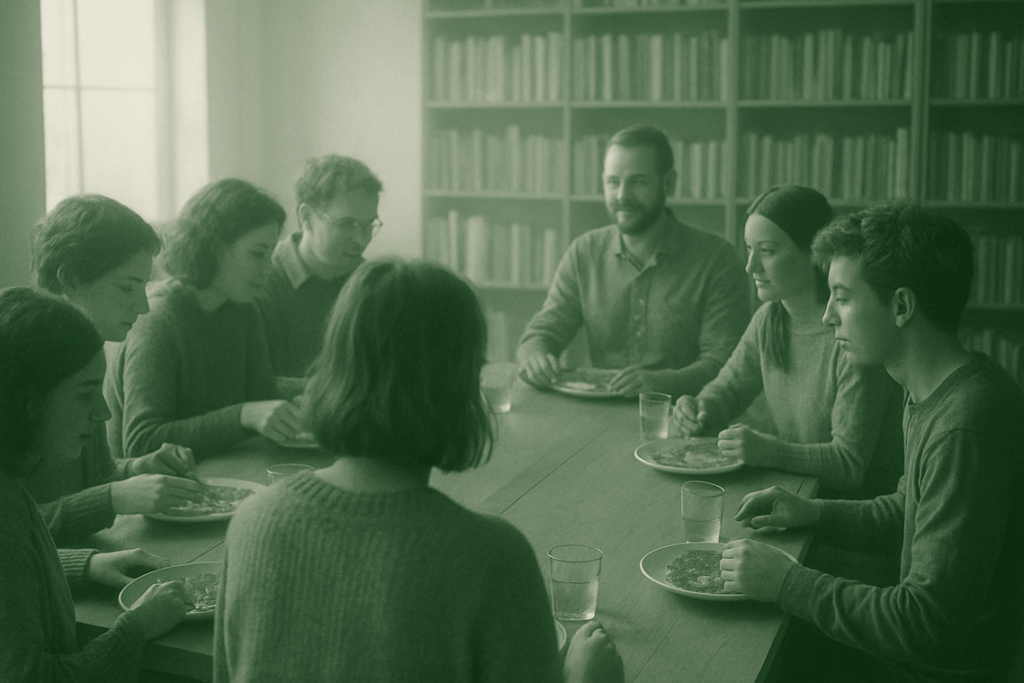
If you’re searching for deeper, more meaningful travel experiences, you’re in the right place. Today’s travelers want more than sightseeing checklists—they want connection, context, and stories that stay with them long after they return home. This article explores how Horizon Headlines, practical travel tips, cultural insights, local immersion experiences, and smart packing hacks come together to help you travel with purpose.
We focus especially on the powerful link between food and cultural identity, revealing how local flavors, culinary traditions, and shared meals open doors to understanding a destination beyond the surface. Backed by carefully researched insights, on-the-ground observations, and curated global perspectives, this guide is designed to help you travel smarter and engage more authentically.
Whether you’re planning your next journey or looking to enrich future adventures, you’ll find actionable advice and culturally grounded inspiration to make every trip more intentional and rewarding.
One whiff of cinnamon and suddenly you’re back in your grandmother’s kitchen, or standing on a humid street corner half a world away. Taste is a time machine, though I can’t fully explain why certain flavors unlock entire chapters of memory. This article goes beyond recipes to explore how cuisine serves as a living archive of food and cultural identity. Too often we eat without asking what stories simmer beneath the surface. I may not have every answer, but together we’ll use each meal as a lens for deeper cultural discovery. Consider it an invitation to taste more thoughtfully today.
Tasting the Past: Cuisine as a Historical Record
A history textbook gives you dates. A family recipe gives you context. Side by side, they tell very different stories.
Think of recipes as unwritten history books—instructions whispered across generations, adjusted by memory and circumstance (and occasionally by a heavy-handed aunt with the salt). Unlike official archives, they preserve everyday life: what people could afford, what they celebrated, and what they survived.
Consider the spice trade. European demand for cinnamon, pepper, and nutmeg reshaped global economies between the 15th and 17th centuries (Britannica). The result? Indian curries layered with complex masalas, Moroccan tagines fragrant with saffron, and Dutch speculaas cookies carrying colonial echoes. Or take the tomato. Native to the Americas, it arrived in Italy in the 16th century after Spanish contact (Smithsonian Magazine). No tomato, no marinara. No marinara, no pizza as we know it. History, plated.
Now compare two dishes:
- A “traditional” bowl of pho in Hanoi
- A Vietnamese Banh Mi with pâté and pickled carrots
Pho reflects local agriculture and regional taste. Banh Mi, however, tells a layered story of French colonialism—wheat baguettes meeting Southeast Asian herbs. One centers continuity. The other reveals collision and adaptation. That’s food and cultural identity in action.
Fusion cuisine isn’t confusion; it’s documentation. Migration, trade routes, even conflict leave edible footprints.
Here’s a practical takeaway: when you travel, ask about a local dish’s origin. Treat it like an artifact.
- Who introduced the key ingredient?
- When did it become popular?
- What changed over time?
(Pro tip: Street vendors often know more than guidebooks.)
You can read about history—or you can taste it.
The Heartbeat of Community: Food in Ritual and Celebration
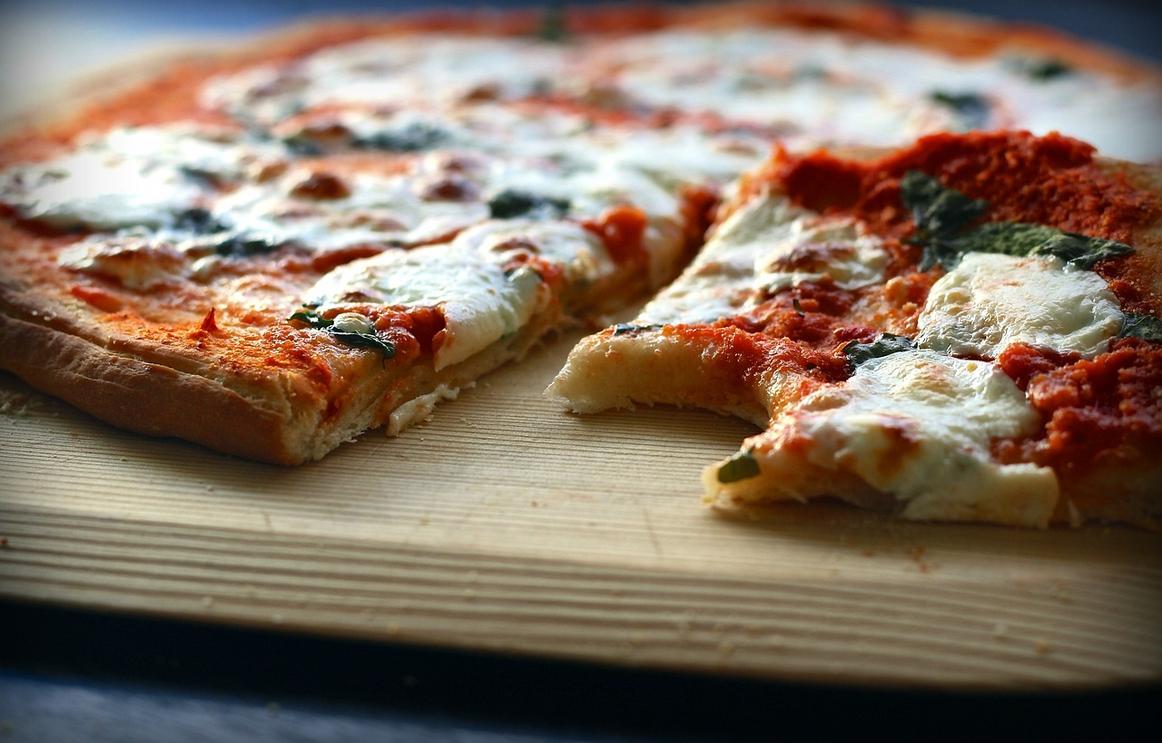
Food is more than fuel; it is a community’s living scrapbook. Just as a heartbeat keeps the body alive, shared meals keep traditions pulsing through generations. Everyday meals may sustain us, but celebratory dishes tell us who we are.
Consider the Mid-Autumn Festival, where mooncakes are exchanged like edible postcards, each stamped with wishes for unity and prosperity. Or take tamales at Christmas in Latin America—labor-intensive, steamed in husks, and prepared by many hands. The process itself becomes the celebration (and yes, someone always argues about the best filling). During Passover, symbolic foods on the Seder plate—bitter herbs, sweet charoset, unleavened bread—act as a culinary script, guiding participants through a shared history.
Why Special Foods Matter
In contrast to everyday sustenance, these dishes require time, coordination, and intention. That difference is the point. When a family spends hours folding dumplings for Lunar New Year or baking a wedding cake from scratch, they’re investing effort as a visible sign of value. It’s like dressing up for a milestone event: the extra care signals significance.
Some argue that modern life makes such elaborate cooking impractical. After all, catering is easier. Yet when preparation is skipped entirely, something intangible fades. Studies show that shared meals strengthen social bonds and improve group cohesion (Harvard T.H. Chan School of Public Health). The kitchen becomes a classroom where values are rehearsed.
Ultimately, food and cultural identity intertwine like threads in a tapestry—remove one, and the pattern weakens.
Forging Identity on a Plate: Cuisine and a Sense of Place
A national dish—a meal widely recognized as representing a country—often becomes shorthand for belonging. Think Japan’s sushi or Mexico’s mole. These dishes act like edible flags (less fabric, more flavor), uniting people through shared ritual and pride. Scholars note that culinary symbols help construct national identity, especially during periods of political change (Appadurai, 1988).
Yet competitors often stop at symbolism. What they miss is how fiercely local identity complicates the picture. Regional cuisines spark loyalist debates that rival sports rivalries:
- Texas brisket vs. Carolina pulled pork
- Carbonara with cream (never) vs. without in Rome
- Cornish pasty authenticity laws in the UK
These arguments aren’t petty; they defend heritage economies and generational knowledge.
For diaspora communities, recipes become portable homelands. A grandmother’s spice blend can anchor identity across oceans. This lived reality is central to food and cultural identity in the section, revealing how memory travels through taste.
Equally powerful are taboos—prohibitions against pork, beef, or certain preparation methods. Anthropologists argue that “what not to eat” defines moral boundaries as clearly as what is celebrated (Douglas, 1966).
Travelers exploring unesco world heritage sites with cultural value often discover that preservation isn’t just architectural—it’s edible. (Pro tip: ask locals what dish outsiders get wrong.)
Travel isn’t just about sights; it’s about taste. Start, for example, at local markets. Wander past spice pyramids and sizzling street stalls to witness daily life up close. Then, consider booking a neighborhood cooking class or guided food tour for hands-on context. Ask vendors, ‘What’s the story behind this dish?’ or ‘What do you eat for a special family celebration?’ Those conversations reveal food and cultural identity in real time. Looking ahead, I suspect travelers will prioritize hyper-local, sustainable dining experiences over global chains (goodbye, airport burgers). Pro tip: arrive hungry and curious. The future tastes deeply personal and immersive.
Food is more than sustenance; it is a living language spoken at every table. When we say cuisine carries history, we mean recipes act like time capsules, preserving migration routes, trade patterns, and family rituals. In simple terms, a dish tells you who a community has been and who they are becoming. The link between food and cultural identity explains why tasting street tacos in Mexico City or ramen in Tokyo feels intimate, not touristy. Travel becomes richer when you decode these flavors. Every meal is a story. Approach your next bite with curiosity and taste the wider human story.
Just as discovering unique regional dishes can enhance our understanding of local customs, exploring travel options like those offered by Discount Ttweakairline can broaden our appreciation for the diverse cultures that shape our culinary experiences.
Keep Exploring Beyond the Surface
You set out to discover how travel can go deeper than sightseeing—and now you’ve seen how meaningful experiences, local immersion, and food and cultural identity transform the way you see the world.
The frustration of поверхный travel is real. Rushed itineraries, tourist-heavy spots, and generic recommendations can leave you feeling disconnected from the very place you came to experience. You deserve more than snapshots—you deserve stories, flavors, and moments that stay with you.
When you approach travel with intention—seeking authentic connections, embracing local traditions, and understanding the link between food and cultural identity—you don’t just visit a destination. You understand it.
Now it’s your move. Start planning your next journey with deeper cultural research, smarter packing strategies, and experiences that bring you face-to-face with local life. Thousands of modern travelers already rely on our trusted travel insights and immersion-focused guidance to avoid cookie-cutter trips.
Don’t settle for ordinary travel. Explore smarter, connect deeper, and turn your next trip into a story worth telling—start planning today.
 Operations & Experience Coordinator
Lowell Ridgendavids has opinions about destinations and cultural insights. Informed ones, backed by real experience — but opinions nonetheless, and they doesn't try to disguise them as neutral observation. They thinks a lot of what gets written about Destinations and Cultural Insights, Drapizto Local Immersion Experiences, Drapizto Travel Essentials and Tips is either too cautious to be useful or too confident to be credible, and they's work tends to sit deliberately in the space between those two failure modes.
Reading Lowell's pieces, you get the sense of someone who has thought about this stuff seriously and arrived at actual conclusions — not just collected a range of perspectives and declined to pick one. That can be uncomfortable when they lands on something you disagree with. It's also why the writing is worth engaging with. Lowell isn't interested in telling people what they want to hear. They is interested in telling them what they actually thinks, with enough reasoning behind it that you can push back if you want to. That kind of intellectual honesty is rarer than it should be.
What Lowell is best at is the moment when a familiar topic reveals something unexpected — when the conventional wisdom turns out to be slightly off, or when a small shift in framing changes everything. They finds those moments consistently, which is why they's work tends to generate real discussion rather than just passive agreement.
Operations & Experience Coordinator
Lowell Ridgendavids has opinions about destinations and cultural insights. Informed ones, backed by real experience — but opinions nonetheless, and they doesn't try to disguise them as neutral observation. They thinks a lot of what gets written about Destinations and Cultural Insights, Drapizto Local Immersion Experiences, Drapizto Travel Essentials and Tips is either too cautious to be useful or too confident to be credible, and they's work tends to sit deliberately in the space between those two failure modes.
Reading Lowell's pieces, you get the sense of someone who has thought about this stuff seriously and arrived at actual conclusions — not just collected a range of perspectives and declined to pick one. That can be uncomfortable when they lands on something you disagree with. It's also why the writing is worth engaging with. Lowell isn't interested in telling people what they want to hear. They is interested in telling them what they actually thinks, with enough reasoning behind it that you can push back if you want to. That kind of intellectual honesty is rarer than it should be.
What Lowell is best at is the moment when a familiar topic reveals something unexpected — when the conventional wisdom turns out to be slightly off, or when a small shift in framing changes everything. They finds those moments consistently, which is why they's work tends to generate real discussion rather than just passive agreement.