
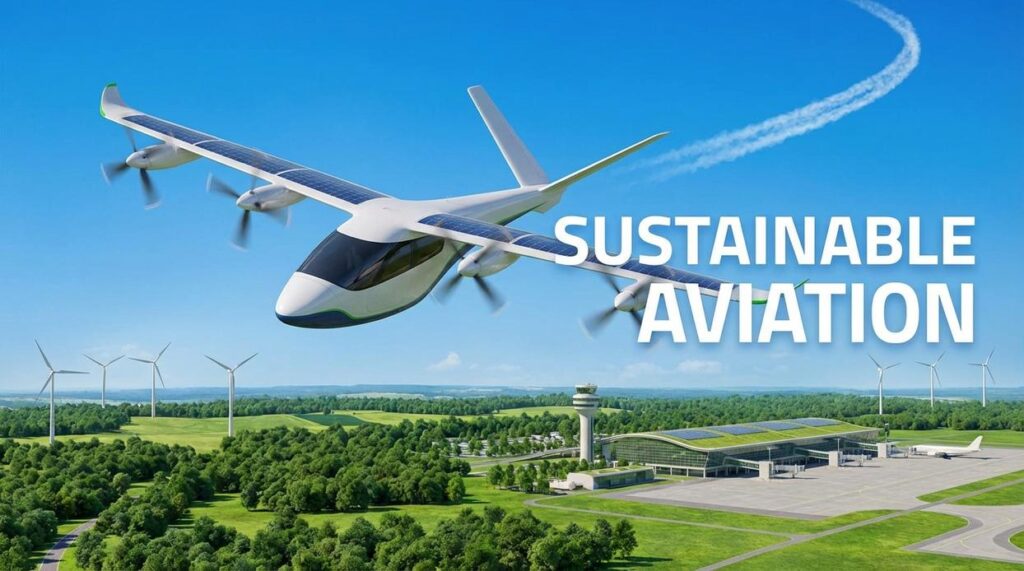
Air travel is evolving—and if you’re trying to understand how sustainability fits into your future trips, you’re not alone. Travelers today want clearer answers about how aviation is reducing emissions, what role sustainable aviation fuel plays, and whether these innovations genuinely make flying more responsible. This article is designed to break down exactly that.
We explore how sustainable aviation fuel works, why it matters for reducing the carbon footprint of flights, and what it means for global travel in practical terms. Instead of vague promises, you’ll find clear explanations, current developments, and realistic insights into the progress being made across the industry.
Our insights are informed by up‑to‑date aviation research, environmental data, and expert analysis from leading sustainability reports, ensuring you get accurate, balanced information. By the end, you’ll have a clearer understanding of how greener aviation initiatives are shaping the way we explore the world—and what that means for your next journey.
We love to explore the world, yet every boarding pass carries a carbon cost. Aviation contributes roughly 2–3% of global CO2 emissions (IEA), a number projected to rise as more people fly. That tension feels uncomfortable—wanderlust versus responsibility. The good news? sustainable aviation fuel offers a practical path forward without canceling your dream trip to Tokyo or Rome.
Made from renewable resources like waste oils and agricultural residues, it can cut lifecycle emissions by up to 80% (U.S. DOE).
• LOWER EMISSIONS without changing flight habits
• CLEANER GUILT-FREE TRAVEL experiences
The benefit is clear: you keep your horizons broad while shrinking your footprint.
What Exactly is Sustainable Aviation Fuel (SAF)?
As we explore the exciting advancements in sustainable aviation that are transforming air travel, don’t miss our article on how these innovations can enhance your journey when you choose to Visit In Hausizius.
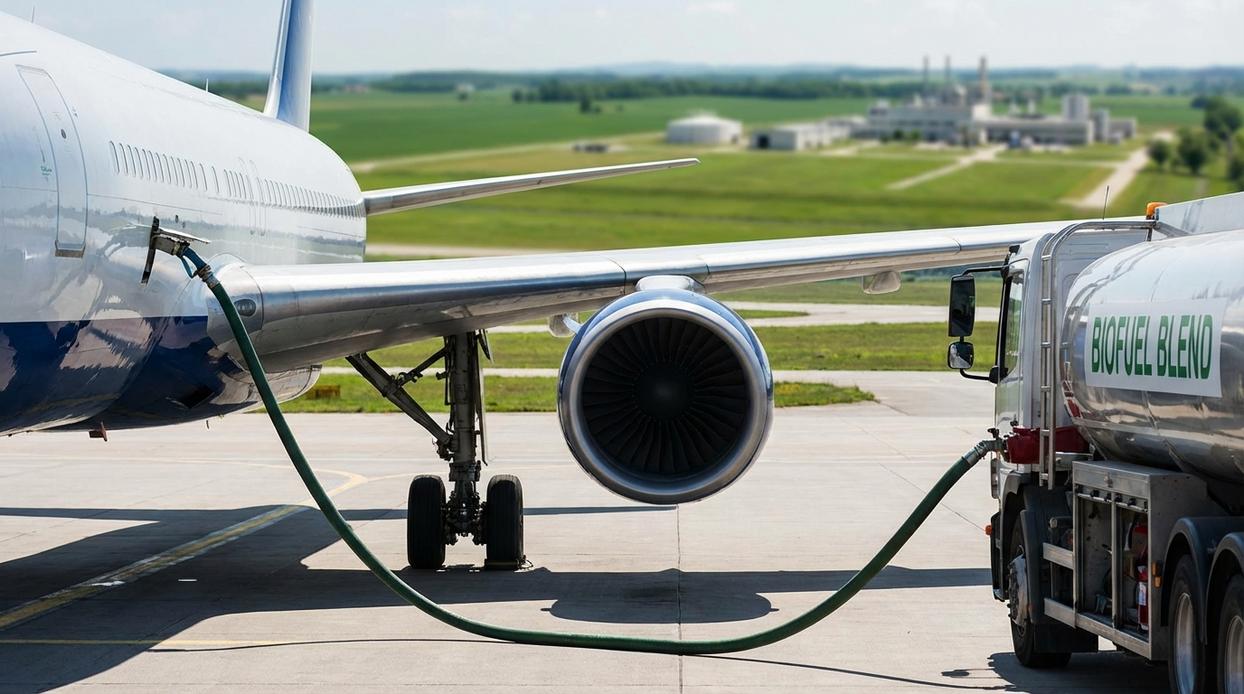
At its core, Sustainable Aviation Fuel (SAF) is a cleaner alternative to conventional jet fuel. The easiest way to understand it? Think of it as a “drop-in” fuel. That means it’s chemically similar to traditional jet fuel and works in existing aircraft engines and airport infrastructure without any modifications. No new planes. No redesigned fuel tanks. (Airlines like solutions that don’t require rebuilding the world.)
The sustainability part comes from its lifecycle. Sustainable aviation fuel is typically made from renewable resources such as used cooking oil, agricultural waste, or specially grown energy crops. These plants absorb carbon dioxide (CO2) as they grow. When the fuel is later burned during flight, that CO2 is released back into the atmosphere. This creates what’s called a closed-loop carbon cycle—a system where emissions are partially offset by earlier absorption. According to the International Air Transport Association (IATA), SAF can reduce lifecycle emissions by up to 80% compared to conventional jet fuel.
Beyond carbon, SAF also produces fewer sulfur emissions and less particulate matter, which can improve air quality around busy airports. Cleaner skies, both at cruising altitude and on the ground.
From Waste to Wing: The Different Types of Eco-Friendly Fuel
If you’ve ever wondered how french fry grease could power a flight across the Atlantic, you’re not alone. Let’s break it down.
First, there’s Biofuels via the HEFA pathway. HEFA stands for Hydroprocessed Esters and Fatty Acids (basically, a refining method). In simple terms, used cooking oil, animal fats, and agricultural waste are cleaned and chemically treated until they resemble conventional jet fuel. This is the most mature option on the market today. Airlines favor it because it works with existing aircraft engines—no sci‑fi redesign required.
Next comes Power-to-Liquid, often called e-fuels. This method uses renewable electricity from wind or solar farms to split water into hydrogen (a process known as electrolysis). That hydrogen is then combined with captured carbon dioxide to create a synthetic fuel. The idea is carbon neutrality: the CO2 released during flight equals the CO2 captured to make it. It sounds a bit like Tony Stark built it, but the chemistry is very real.
Then there’s Alcohol-to-Jet (ATJ). Here, alcohols such as ethanol or isobutanol—made from plant sugars or even industrial waste gases—are converted into jet fuel through catalytic reactions. Think of it as upgrading farm output into flight-ready energy.
Importantly, sustainable aviation fuel is usually blended with traditional jet fuel, often up to a 50/50 mix. Why? Because certification standards, engine compatibility, and infrastructure are built around conventional fuel. Blending ensures safety, performance, and a smoother transition toward cleaner skies.
The Tangible Benefits: Why SAF is a Game-Changer for Aviation
Drastic Emissions Reduction
The headline benefit is simple: up to 80% lifecycle carbon reduction compared to conventional jet fuel (U.S. Department of Energy). Lifecycle emissions measure total greenhouse gases produced from raw material to combustion. Think of it like making a long-haul transatlantic flight feel, carbon-wise, closer to a short domestic hop. That’s not magic—it’s chemistry and smarter sourcing. Critics argue scaling this impact globally is unrealistic due to supply limits. Fair point. But production capacity is expanding rapidly, with the International Energy Agency noting steady year-over-year growth. The real question isn’t if it scales, but how fast.
Energy Security & Independence
Fuel made from renewable, local feedstocks reduces exposure to volatile oil markets and geopolitical shocks (remember the 2022 price spikes?). Diversifying supply means aviation isn’t tethered to a single global pipeline. Some skeptics say oil will remain cheaper. Possibly in the short term. But price stability has value airlines—and travelers—can bank on.
Economic Opportunity
Building a sustainable aviation fuel ecosystem creates jobs in agriculture, refining, and clean-tech innovation. It’s the backbone of a growing green economy. What’s next? Expect smarter logistics, AI-driven optimization, and even more personalization in travel planning—much like how how ai is personalizing the future of trip planning is reshaping journeys before takeoff.
The Hurdles Ahead: Challenges on the Runway to 100% SAF
The dream of cleaner skies sounds inspiring, but the runway is long. The biggest turbulence? Cost. Today, sustainable aviation fuel can be 2–5 times more expensive than conventional jet fuel (International Air Transport Association, 2023). Why? Limited feedstock—used cooking oil, agricultural waste, even algae—and small production volumes keep prices high. It’s basic supply and demand, just at 35,000 feet.
You can almost smell the sharp tang of jet fuel on the tarmac and hear the low engine hum—now imagine replacing that at global scale. The challenge comes down to:
- Building enough refineries fast.
- Securing truly sustainable raw materials.
- Moving fuel efficiently to major hubs.
Some argue the market will correct itself without intervention. But history suggests otherwise. Government incentives, carbon pricing, and bold private investment are what shrink price gaps and spark momentum (IEA, 2023). Without them, the transition risks idling at the gate.
Air travel’s green shift isn’t a someday promise; it’s boarding now. Airlines across Europe and the U.S. are blending sustainable aviation fuel into daily operations, cutting lifecycle emissions by up to 80% compared to conventional jet fuel (International Energy Agency). In other words, yesterday’s cooking oil and agricultural waste can power tomorrow’s getaway. Critics argue SAF is scarce and expensive—and today, supply is limited. However, demand signals drive production. So next time you book, look for carriers publishing SAF targets and transparent sourcing. Your ticket becomes a vote, nudging aviation toward cleaner horizons. Progress accelerates when travelers choose better options.
Your Next Step Toward Smarter, More Responsible Travel
You set out to better understand how travel is evolving and how to make more conscious choices without sacrificing meaningful experiences. Now you have a clearer view of the trends shaping modern journeys—from cultural immersion to smarter packing and the growing role of sustainable aviation fuel in reducing aviation’s environmental impact.
The real challenge isn’t wanting to travel better. It’s knowing how to do it without feeling overwhelmed or unsure where to start. With the right insights, you can reduce your footprint, travel more intentionally, and still enjoy every moment of the adventure.
Now it’s time to act. Start planning your next trip with sustainability and cultural respect in mind. Look for airlines investing in sustainable aviation fuel, pack lighter with purpose, and prioritize authentic local experiences that give back to the communities you visit.
If you’re ready to travel smarter and more responsibly, explore more expert travel insights and practical tips today. Join thousands of conscious explorers who are already transforming the way they see the world—one well-planned journey at a time.
 Travel Content Manager
Thomas Harrisonevalons is the kind of writer who genuinely cannot publish something without checking it twice. Maybe three times. They came to destinations and cultural insights through years of hands-on work rather than theory, which means the things they writes about — Destinations and Cultural Insights, Drapizto Local Immersion Experiences, Drapizto Travel Essentials and Tips, among other areas — are things they has actually tested, questioned, and revised opinions on more than once.
That shows in the work. Thomas's pieces tend to go a level deeper than most. Not in a way that becomes unreadable, but in a way that makes you realize you'd been missing something important. They has a habit of finding the detail that everybody else glosses over and making it the center of the story — which sounds simple, but takes a rare combination of curiosity and patience to pull off consistently. The writing never feels rushed. It feels like someone who sat with the subject long enough to actually understand it.
Outside of specific topics, what Thomas cares about most is whether the reader walks away with something useful. Not impressed. Not entertained. Useful. That's a harder bar to clear than it sounds, and they clears it more often than not — which is why readers tend to remember Thomas's articles long after they've forgotten the headline.
Travel Content Manager
Thomas Harrisonevalons is the kind of writer who genuinely cannot publish something without checking it twice. Maybe three times. They came to destinations and cultural insights through years of hands-on work rather than theory, which means the things they writes about — Destinations and Cultural Insights, Drapizto Local Immersion Experiences, Drapizto Travel Essentials and Tips, among other areas — are things they has actually tested, questioned, and revised opinions on more than once.
That shows in the work. Thomas's pieces tend to go a level deeper than most. Not in a way that becomes unreadable, but in a way that makes you realize you'd been missing something important. They has a habit of finding the detail that everybody else glosses over and making it the center of the story — which sounds simple, but takes a rare combination of curiosity and patience to pull off consistently. The writing never feels rushed. It feels like someone who sat with the subject long enough to actually understand it.
Outside of specific topics, what Thomas cares about most is whether the reader walks away with something useful. Not impressed. Not entertained. Useful. That's a harder bar to clear than it sounds, and they clears it more often than not — which is why readers tend to remember Thomas's articles long after they've forgotten the headline.